How to Make and Use Activated Charcoal Survival Uses Natural Remedies Guide
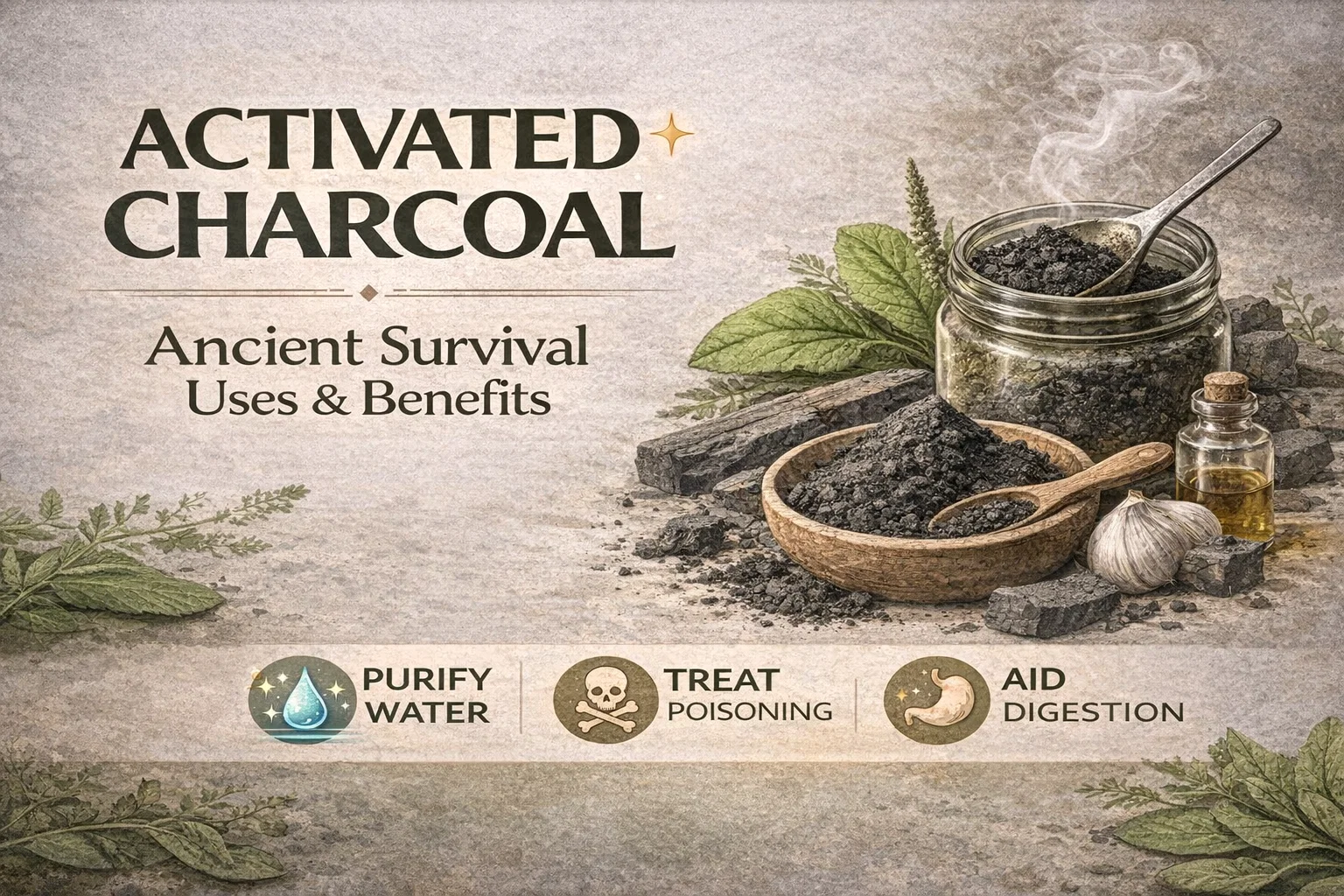
Activated charcoal is often dismissed as nothing more than the dusty remains of a campfire, but throughout history, it has been revered as a literal lifesaver. From ancient Egyptian medical papyri to modern day emergency rooms, this porous black substance has served as one of the most versatile tools in the human survival kit. Whether you are looking to purify your drinking water in the wild or seeking a natural way to soothe digestive distress, understanding how to harness the power of activated charcoal is a foundational skill for any self-sufficiency enthusiast.
The Science Behind the Soot: How Activated Charcoal Works
To truly appreciate activated charcoal, we have to look past its charred appearance and dive into its molecular structure. It is important to distinguish regular charcoal used for grilling from the activated variety. While they both start as organic material, the activation process creates an incredibly vast network of microscopic pores.
This process increases the surface area of the charcoal to an almost unbelievable degree. A single gram of high-quality activated charcoal can have a surface area of over 3,000 square meters. It works through a process called adsorption (not absorption). While absorption acts like a sponge soaking up liquid, adsorption acts like a magnet, pulling toxins, chemicals, and gases to its surface and locking them deep within its tiny crevices.
Adsorption vs Absorption
In a survival or medical context, this distinction is vital. When you ingest activated charcoal for poisoning or gas, it does not enter your bloodstream. Instead, it travels through your digestive tract, acting as a microscopic vacuum that collects undesirable substances. Once the toxins are bound to the charcoal, they are safely escorted out of the body through natural waste processes.
Top Survival Uses for Activated Charcoal
In a long term survival scenario, gear breaks and supplies run low. Activated charcoal is one of the few items that you can actually manufacture yourself in the woods, providing you with a renewable source of protection and health. Here are the primary ways this “black gold” earns its place in your bug-out bag.
Water Purification and Filtration
Clean water is the most critical element of survival. While boiling water kills biological pathogens like bacteria and viruses, it does not remove chemical contaminants or heavy metals. This is where activated charcoal shines. By passing water through a DIY filter containing layers of sand, gravel, and crushed activated charcoal, you can significantly improve the safety and taste of your water. It effectively strips out pesticides, industrial chemicals, and even some unpleasant odors.
Emergency Treatment for Poisoning
Medical professionals have used activated charcoal for decades as a first-line defense against certain types of oral poisoning and drug overdoses. It is particularly effective at binding to organic poisons. However, it is important to remember that it does not work on everything. It is ineffective against corrosive agents like lye, or alcohols and petroleum products. In a survival situation where professional help is unavailable, it can be a last-resort intervention that saves a life.
Digestive Health and Gas Relief
Bloating and indigestion are not just uncomfortable; in a high-stress survival situation, they can be debilitating. Activated charcoal is a fantastic natural remedy for gas. By adsorbing the gases produced during digestion, it helps reduce pressure and discomfort. Many hikers and travelers keep charcoal tablets on hand specifically to deal with “traveler’s stomach” or reactions to unfamiliar foods.
How to Make Your Own Activated Charcoal in the Wild
Buying pre-made activated charcoal is easy, but knowing how to craft it from scratch is a true survival skill. The process involves two main stages: creating the charcoal and then “activating” it to open up those all-important pores.
Step 1: Creating the Base Charcoal
You must start with the right wood. Hardwoods like oak, hickory, or maple are preferred because they produce a denser, more effective charcoal than softwoods like pine. You need to burn the wood in a controlled, oxygen-limited environment. This process, known as pyrolysis, ensures the wood turns into carbon rather than just turning into ash.
- Place small pieces of hardwood into a metal container with a tiny hole in the lid.
- Place the container in a hot fire.
- Watch for smoke or gas escaping the hole. When the smoke stops, the wood has been carbonized.
- Let the container cool completely before opening it to prevent the charcoal from igniting when it hits the air.
Step 2: The Activation Process
Ordinary charcoal has many of its pores clogged with tars and resins. To “activate” it, you need to strip those away. In an industrial setting, this is done with extremely hot steam. In the wild, you can use a chemical activator. While calcium chloride is a professional choice, survivalists often use lemon juice or a strong solution of salt.
By soaking your crushed charcoal in these acidic or saline solutions, you help expand the pore structure. After soaking, the charcoal is rinsed with clean water and dried thoroughly. While not as potent as laboratory-grade charcoal, this DIY version is significantly more effective than plain wood ash.
Natural Wound Care and Skin Health
Beyond internal use, activated charcoal has a long history of being used topically. Because of its ability to draw out impurities, it is an excellent addition to a wilderness first aid kit for skin-related issues.
Cleaning Infected Wounds
A poultice made of crushed activated charcoal and a bit of water can be applied to wounds that are beginning to show signs of infection. The charcoal helps “draw out” bacteria and toxins from the site. While it should never replace proper sterilization and bandaging, it provides an extra layer of defense when medical supplies are limited.
Treating Bug Bites and Stings
The venom from bees, wasps, and spiders is often organic in nature, making it a perfect candidate for charcoal adsorption. Applying a charcoal paste to a fresh sting can help neutralize the toxin quickly, reducing pain, swelling, and itching. It is a favorite remedy among outdoor enthusiasts who prefer natural solutions over chemical creams.
Storage and Longevity: A Prepper’s Dream
One of the best things about activated charcoal is its shelf life. Unlike many medications or water filters that have expiration dates, activated charcoal is incredibly stable. If you store it in an airtight container away from moisture, it can remain effective for 10 years or more.
Because it is so effective at adsorbing things from the air, you must keep it sealed. If left open, it will slowly “fill up” by adsorbing odors and moisture from the environment, eventually becoming less effective for its intended use. For your survival kit, consider vacuum-sealing small batches or using glass mason jars with a solid seal.
Safety Considerations and Best Practices
While activated charcoal is generally considered safe, there are a few important rules to follow. First, it should not be used daily. Because it is so good at binding to substances, it can also bind to beneficial nutrients, vitamins, and any prescription medications you may be taking, rendering them useless.
Always drink plenty of water when taking charcoal internally. Since it is not absorbed by the body, it can have a drying effect on the digestive tract, potentially leading to constipation if you are not properly hydrated. Finally, remember that herbal and natural remedies are meant to supplement, not replace, professional medical advice when a serious condition arises.
Conclusion: The Essential Survival Multi-Tool
Activated charcoal truly is one of the oldest and most powerful survival tools at our disposal. Its ability to purify water, treat poisonings, soothe digestion, and clean wounds makes it a multi-purpose powerhouse that belongs in every home and every backpack. By understanding how to create it and how it functions on a molecular level, you gain a significant advantage in any self-sufficiency or emergency scenario.
Whether you are building out a 10-year survival kit or just looking for a more natural way to handle a summer bug bite, activated charcoal is a remedy that has stood the test of time for a reason. It is simple, effective, and deeply rooted in the natural world. Next time you see a piece of charred wood, you might just look at it with a whole new level of respect.