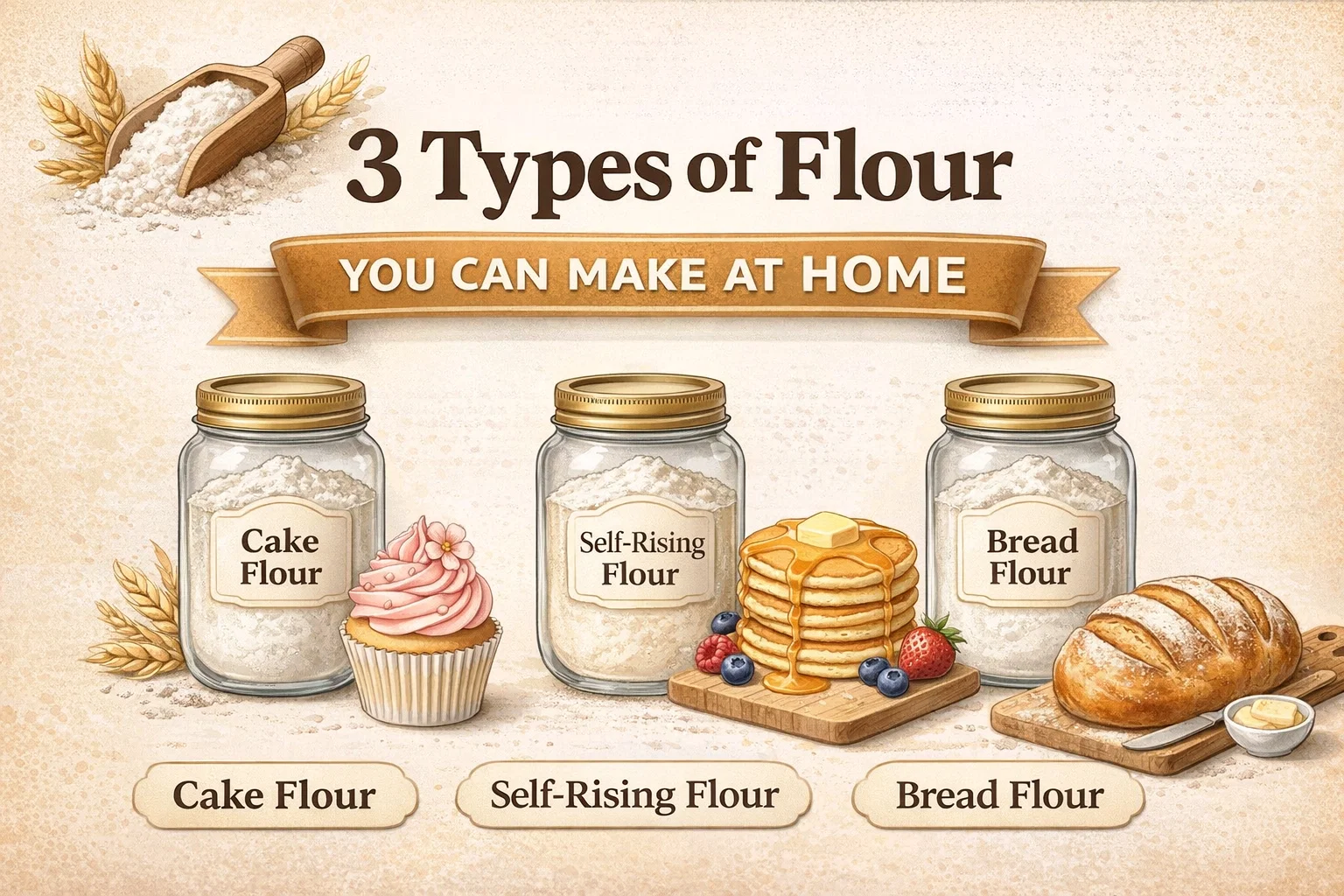
How to Make Cake, Bread, and Self-Rising Flour with All-Purpose Flour
Imagine standing in your kitchen, mid-recipe, only to realize the canister of cake flour is bone dry or you are exactly one tablespoon short of bread flour. It is a classic baker’s dilemma that usually ends in a frustrated trip to the grocery store. But what if you could transform a single bag of all-purpose flour into every specialized variety your recipes demand? Masterig the art of DIY flour blends is more than just a convenient hack; it is a fundamental kitchen skill that saves money, reduces pantry clutter, and ensures you never have to hit pause on a baking project again. By understanding the simple science of protein content and leavening agents, you can replicate professional-grade flours using items you likely already have in your cupboard.
The Magic of All-Purpose Flour: Your Kitchen’s Swiss Army Knife
All-purpose flour is designed to be the middle ground of the baking world. It contains a moderate amount of protein, usually hovering between 10 percent and 12 percent, which makes it sturdy enough for bread but light enough for cookies. However, some recipes require a specific touch that all-purpose alone cannot provide. When you need a delicate, fine crumb for a sponge cake or a high-rise chew for a sourdough loaf, you are looking for variations in protein levels. By adding or subtracting specific ingredients, we can manipulate the structure of all-purpose flour to mimic these specialized products perfectly.
Understanding Protein and Gluten Structure
The primary difference between various types of flour is the protein content. When flour meets water, proteins like glutenin and gliadin link up to form gluten. High-protein flours create strong, elastic gluten networks, while low-protein flours keep those bonds weak and tender. When we create DIY versions at home, we are essentially performing a bit of kitchen chemistry to shift those protein ratios to suit our specific culinary needs.
How to Make Homemade Cake Flour
Cake flour is the secret behind those ethereal, melt-in-your-mouth textures found in professional bakeries. It is a low-protein flour that has been finely milled. If you try to bake a delicate white cake with standard all-purpose flour, you might find the result a bit too dense or tough. The DIY solution is to “dilute” the protein in your all-purpose flour using a common household starch.
The Ratio for Success
To make one cup of cake flour, start by measuring out one level cup of all-purpose flour. Remove two tablespoons of the flour and place them back in the bag. In their place, add two tablespoons of cornstarch. This simple swap reduces the overall protein percentage of the blend. Cornstarch inhibits gluten formation, ensuring that your cakes stay soft and tender rather than chewy.
Pro Tip: The Importance of Sifting
Because you are mixing two different powders, sifting is non-negotiable for cake flour. Sift the mixture at least twice. This not only ensures the cornstarch is evenly distributed but also aerates the flour, which is vital for achieving a high rise in sponges and chiffons. If you don’t have a sifter, a fine-mesh strainer works perfectly well.
Crafting Self-Rising Flour for Perfect Biscuits and Pancakes
Self-rising flour is a staple in Southern cooking and a favorite for quick breads, pancakes, and cobblers. It is essentially a pre-mixed shortcut that includes built-in leavening agents. While you can buy it pre-mixed, making it at home ensures your leavening agents are fresh, which leads to a better rise in your baked goods.
The Golden Ratio
For every one cup of all-purpose flour, you will need to add one and a half teaspoons of baking powder and a quarter teaspoon of fine salt. The salt is crucial here; it doesn’t just add flavor, it actually helps regulate the fermentation process and strengthens the dough structure. When you use this DIY blend, you can usually skip any additional salt or baking powder called for in the recipe, as it is already built into your base.
Why Freshness Matters
The biggest advantage of making self-rising flour as you go is potency. Baking powder loses its lifting power over time, especially if the box has been sitting in a humid pantry. By mixing your own right before you bake, you guarantee that your biscuits will reach their maximum height every single time.
The Secret to Chewy Bread: DIY Bread Flour
On the opposite end of the spectrum from cake flour is bread flour. Bread flour is high in protein, usually ranging from 12 percent to 14 percent. This extra protein is what allows bread dough to become stretchy and trap the gases produced by yeast, resulting in a tall, airy loaf with a satisfying chew. If you are making bagels, pretzels, or artisanal hearth breads, all-purpose flour can sometimes fall flat.
Adding Strength with Vital Wheat Gluten
To turn all-purpose flour into bread flour, you need an ingredient called vital wheat gluten. This is essentially the protein found in wheat, isolated into a powder form. To make one cup of bread flour, take one cup of all-purpose flour and add one tablespoon of vital wheat gluten. This small addition significantly increases the elasticity of your dough. If you are a frequent bread baker, keeping a small bag of vital wheat gluten in the freezer is much more space-efficient than storing giant bags of specialized bread flour.
When to Use Your DIY Bread Flour
Use this blend for any recipe that requires a long knead or a slow rise. It is particularly effective for pizza dough, where you want that signature “pull” and charred, bubbly crust. However, avoid using this for pie crusts or biscuits, as the high protein will make them tough rather than flaky.
Tips for Accurate Measurement
In baking, precision is the difference between a masterpiece and a disaster. When you are creating your own flour blends, how you measure is just as important as the ingredients themselves. The most accurate way to measure flour is by weight using a digital kitchen scale, but if you are using cups, the “spoon and level” method is your best friend.
Avoid the Scoop
Never dip your measuring cup directly into the flour bag. This packs the flour down, and you can end up with up to 25 percent more flour than the recipe intends. Instead, use a large spoon to fluff the flour, gently scoop it into the measuring cup until it overflows, and then use the back of a knife to level it off. This ensures your DIY ratios remain consistent and your results are predictable.
Storage and Shelf Life of DIY Blends
If you find yourself using these blends frequently, you might be tempted to mix up a large batch. While this is a great time-saver, you need to consider storage. Plain all-purpose flour is quite shelf-stable, but once you add other ingredients, the clock starts ticking. For self-rising flour, the baking powder can react with moisture in the air, so it must be kept in an airtight container in a cool, dry place.
Labeling Your Creations
There is nothing more confusing than a pantry full of identical-looking white powders. If you mix a batch of DIY cake or bread flour, label the jar clearly with the date and the type of flour. Glass mason jars are excellent for this because they provide an airtight seal and allow you to see exactly how much you have left at a glance.
Budget Benefits: Why DIY Makes Financial Sense
Specialty flours often come with a premium price tag. Organic or high-end cake flours can cost double or triple the price of a standard bag of all-purpose flour. By purchasing one large, versatile bag of all-purpose flour and a few small containers of cornstarch, baking powder, and vital wheat gluten, you effectively lower your cost per bake. It is an economical approach that doesn’t sacrifice quality, making it perfect for hobbyists and serious bakers alike.
Creative Ways to Use Your New Skills
Once you are comfortable mixing these three basic flours, you can start experimenting further. You might find that a “half and half” blend of DIY cake flour and all-purpose flour creates the perfect texture for a specific cookie recipe. Or perhaps you want to add a bit of vital wheat gluten to a whole wheat flour to help it rise better. Understanding these building blocks gives you the confidence to tweak recipes and truly make them your own.
Conclusion: Empowering Your Home Bakery
Baking is a journey of constant learning, and mastering your ingredients is the most important step on that path. By learning how to create cake flour, self-rising flour, and bread flour from a simple base of all-purpose flour, you have effectively unlocked hundreds of new recipes without ever needing to leave your kitchen. You are no longer at the mercy of what is currently in stock at the local market. Instead, you have the tools and the knowledge to create the perfect texture for every muffin, loaf, and tiered cake you envision. So the next time you find your pantry lacking a specific flour, don’t worry. Just grab your cornstarch or your baking powder, and keep on baking. Your best creation yet is just a few stirs away.
Would you like me to help you draft the WordPress meta description or a list of tags for this post?