How to Make Rose Water at Home DIY Natural Skincare Toner Steam Distillation Guide
There is something undeniably romantic and timeless about the scent of fresh roses. For centuries, this delicate flower has been prized not just for its beauty, but for its remarkable ability to soothe the skin and calm the senses. While many high-end beauty boutiques sell rose water at a premium price, you might be surprised to learn that you can capture this floral magic right in your own kitchen. Creating your own rose water is a rewarding DIY project that connects you with ancient beauty traditions while ensuring your skincare routine remains pure, natural, and free from synthetic preservatives.
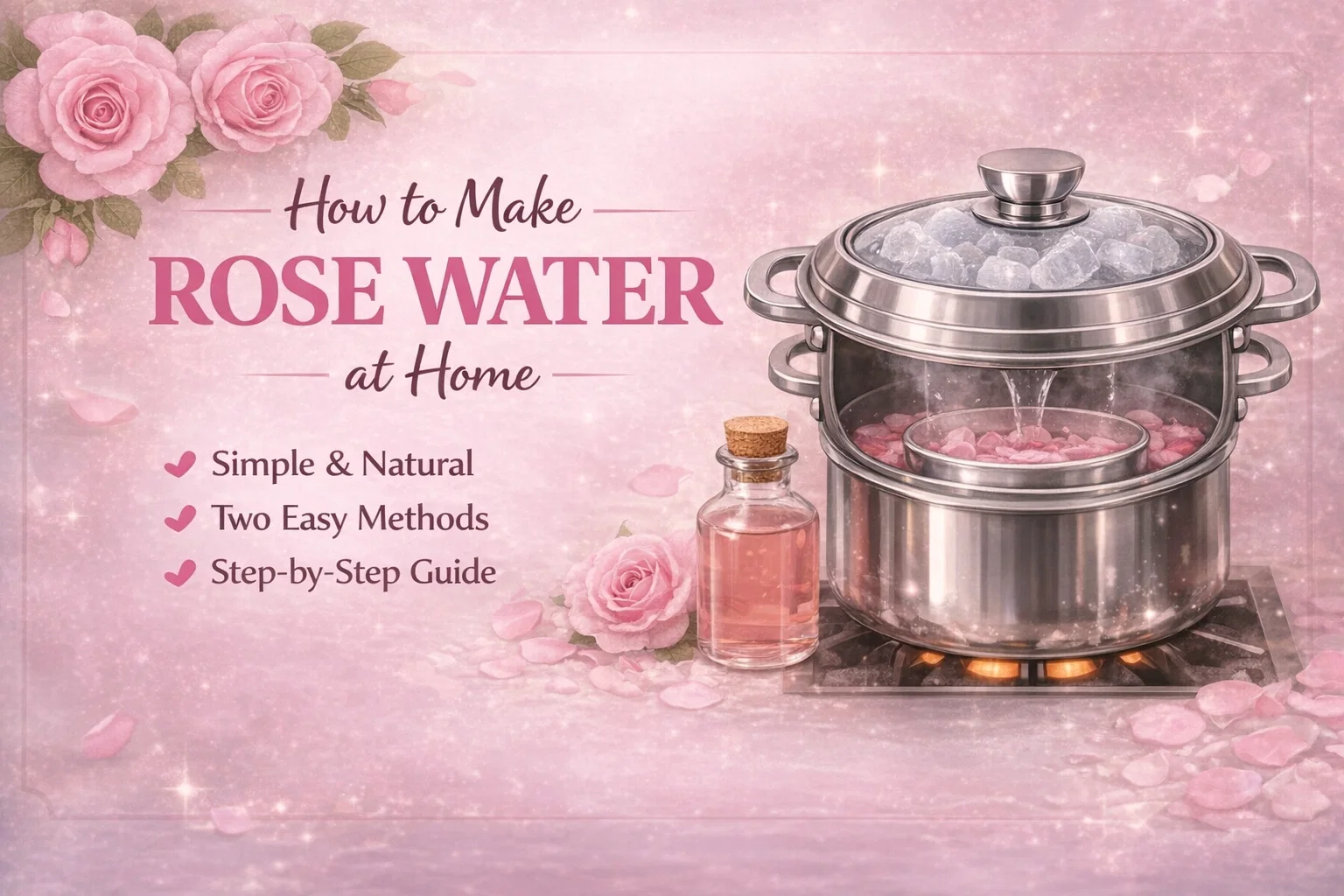
The image provided beautifully illustrates two primary methods for crafting this botanical elixir: the Simmering Method and the Steam Distillation Method. Each approach offers its own unique benefits, whether you are looking for a quick batch of fragrant water or a highly concentrated, shelf-stable hydrosol. In this comprehensive guide, we will dive deep into the art of making rose water, exploring the science behind the process, the best types of roses to use, and the countless ways you can incorporate this liquid gold into your daily life.
The Essential Ingredients for Success
Before you turn on the stove, the quality of your rose water depends entirely on the quality of your starting materials. Unlike commercial products that often use synthetic rose fragrance, your homemade version relies on the natural oils found within the petals.
Selecting the Right Roses
Not all roses are created equal when it comes to distillation. To get the most potent scent and skincare benefits, you should look for highly fragrant varieties. Old-fashioned garden roses, Damask roses, and Rosa centifolia are the gold standards in the world of perfumery and skincare. Most importantly, as noted in the important tips section of our visual guide, you must use roses that have not been sprayed with pesticides or herbicides. Since you are concentrated the essence of the flower, any chemicals on the petals will end up in your final product. If you do not have a home garden, look for organic food-grade dried rose petals or find a local florist who can guarantee chemical-free blooms.
The Importance of Distilled Water
While it might be tempting to use tap water, distilled water is a non-negotiable requirement for high-quality rose water. Tap water contains minerals, chlorine, and potential bacteria that can cause your rose water to spoil quickly or react poorly with your skin. Distilled water acts as a clean slate, allowing the rose essence to shine and extending the shelf life of your creation.
Method 1: The Simmering Technique
The simmering method is the most straightforward way to make rose water at home. It is perfect for beginners who want a quick batch of rose-infused water to use as a hair rinse, a bath additive, or a refreshing face splash.
Step-by-Step Simmering
First, gently rinse your fresh rose petals under cool water to remove any dust or small hitchhiking insects. Place the petals in a large pot and add just enough distilled water to cover them. It is important not to add too much water, as this will result in a very diluted scent. Turn the heat to low and let the mixture simmer for about 20 to 30 minutes. You will notice the petals beginning to lose their vibrant color, turning pale or even white, while the water takes on a beautiful pink or red hue. Once the petals have surrendered their color, turn off the heat and let the mixture cool completely. Finally, strain the liquid into a clean glass jar and store it in the refrigerator to keep it fresh.
Method 2: The Art of Steam Distillation
If you are looking for the purest form of rose water, often referred to as a hydrosol, steam distillation is the way to go. This method, as shown in the secondary illustration, uses steam to extract the volatile oils from the petals, resulting in a clear, highly aromatic, and long-lasting liquid.
Setting Up Your Home Still
To begin distillation, you will need a deep pot with a lid. Place a small, heat-resistant ceramic or glass bowl in the center of the pot. Arrange your rose petals around the outside of the bowl, then pour distilled water over the petals, ensuring the water level stays below the top of the bowl. The goal is for the water in the pot to turn into steam, which will then condense and drip into the center bowl as pure rose water.
The Science of Condensation
Place the lid of the pot on upside down. This creates a concave surface that encourages the steam to travel toward the center. To speed up the condensation process, place a generous amount of ice cubes on top of the inverted lid. As the steam rises and hits the cold lid, it turns back into liquid and drips directly into your collection bowl. Simmer this setup on low heat for 30 to 40 minutes. The liquid you collect in the bowl will be crystal clear and incredibly potent. This is the “pure rose water” mentioned in the guide, and it is the highest quality version you can make at home.
Skincare Benefits of Homemade Rose Water
Why go through the effort of making your own? Rose water is a powerhouse ingredient for nearly every skin type. It acts as a natural pH balancer, helping to restore your skin after cleansing. Its anti-inflammatory properties make it excellent for reducing redness and soothing irritation, whether from acne, rosacea, or a slight sunburn.
A Natural Astringent and Hydrator
Unlike alcohol-based toners that strip the skin of its natural oils, rose water helps to tighten pores while simultaneously providing a boost of hydration. It contains antioxidants that protect skin cells against damage from environmental stressors. Many people find that a simple spritz of rose water throughout the day keeps their skin looking dewy and refreshed without the need for heavy chemicals.
Creative Ways to Use Your Rose Water
Once you have your beautiful pink or clear liquid stored in glass bottles, the possibilities are endless. Beyond being a simple facial toner, rose water can be integrated into many parts of your lifestyle.
Beauty and Hair Care
- Setting Spray: Spritz your face after applying makeup for a natural, soft-focus finish.
- Hair Mist: Add rose water to a spray bottle and mist your hair to add shine and a light, lingering floral scent.
- Bath Soak: Pour a cup of simmered rose water into a warm bath for a relaxing, spa-like experience that softens the skin.
Household and Aromatherapy
- Linen Spray: Lightly mist your pillowcases and bed sheets before sleep. The scent of rose is known for its calming properties and can help promote a sense of peace.
- DIY Face Masks: Use rose water instead of plain water when mixing clay masks or DIY honey masks for extra skin-soothing benefits.
Safety and Storage Tips
Because your homemade rose water does not contain the harsh preservatives found in store-bought bottles, you need to take a few precautions to keep it safe. Always perform a patch test on a small area of your skin before using it liberally, as even natural ingredients can cause reactions in sensitive individuals.
Maximizing Shelf Life
Always store your rose water in a sterilized glass bottle. Dark-colored glass, like amber or cobalt, is even better because it protects the liquid from light degradation. The simmering method usually stays fresh for about 1 to 2 weeks in the fridge. The steam distillation method, being more concentrated and pure, can last significantly longer, sometimes up to several months if kept in a cool, dark place. If you notice any change in smell or the appearance of cloudiness, it is time to compost that batch and start fresh.
Conclusion: Embracing the Ritual of Slow Beauty
In a world that often prioritizes speed and synthetic convenience, taking the time to make your own rose water is an act of self-care. It encourages us to slow down, appreciate the cycles of nature, and take control over the ingredients we put on our bodies. Whether you choose the vibrant, colorful simmered version or the clear, professional-grade distilled hydrosol, you are creating something truly special. By following the simple steps outlined in our guide and paying attention to the quality of your roses, you can transform a handful of petals into a luxurious skincare staple that rivals any luxury brand. So, the next time you see a bush of fragrant, organic roses, remember that beauty is just a simmer away. Save these methods for your next DIY weekend and enjoy the radiant glow that only nature can provide.