How to Read Your Own Blood Test Results A Simple Guide to Lab Work Meanings
Walking out of a doctor’s office with a printed sheet of lab results can feel like holding a map written in a language you do not speak. You see abbreviations like WBC, BUN, and GFR followed by a string of numbers and perhaps a few bolded values marked as high or low. Most of us wait for a brief phone call from a nurse saying everything looks normal, but there is immense power in understanding those numbers for yourself. Your blood work is a window into your internal chemistry, offering a real-time snapshot of how your organs are functioning and where your nutrient levels stand. Taking the time to decode these markers allows you to become an active participant in your healthcare journey rather than a passive bystander.
The Importance of Being Your Own Health Advocate
In a fast-paced medical world, appointments are often short. While your physician is trained to spot major red flags, they might not always have the time to explain the nuance of a borderline result. By learning the basics of blood test analysis, you can identify trends over time. For instance, a glucose level that is technically within the normal range but has been steadily creeping up over three years tells a much more important story than a single isolated test. Understanding these markers helps you ask targeted questions during your next checkup and encourages lifestyle changes before a minor issue becomes a chronic condition.
Breaking Down the Complete Blood Count
One of the most common tests ordered is the Complete Blood Count, or CBC. This test looks at the different types of cells that make up your blood. It is essentially a census of your cellular health. Each component has a specific role, from carrying oxygen to fighting off the common cold.
White Blood Cells: Your Internal Security Team
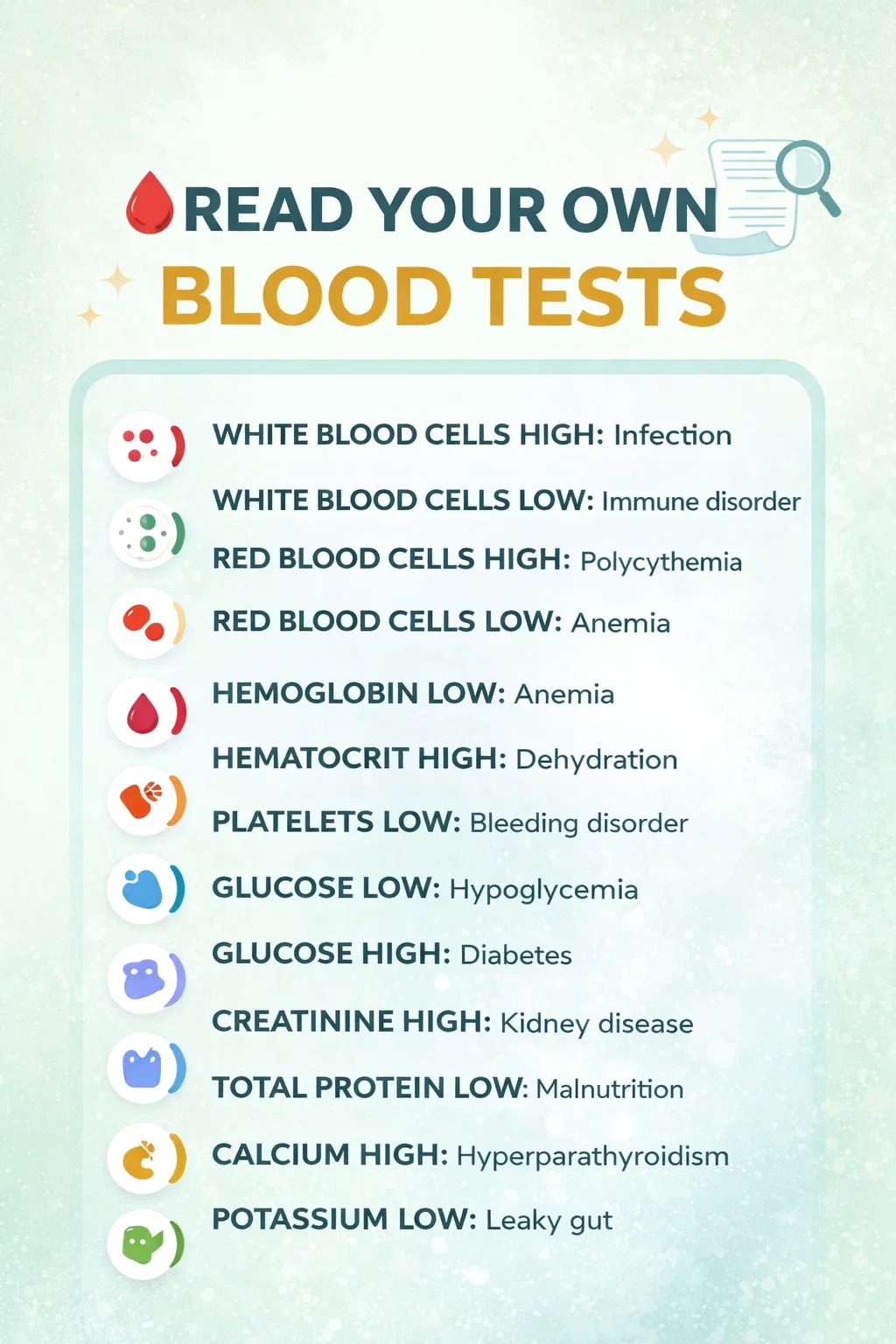
White blood cells, or leukocytes, are the primary defenders of your immune system. When your white blood cell count is high, it usually indicates that your body is currently fighting off an invader, such as a bacterial infection or a virus. It can also rise due to physical stress or inflammation. Conversely, a low white blood cell count might suggest that your immune system is overworked or that an underlying condition is preventing your bone marrow from producing enough new cells. Monitoring these levels is vital for understanding your body’s current defensive state.
Red Blood Cells and Hemoglobin: The Oxygen Express
Red blood cells are the vehicles that transport oxygen from your lungs to every other part of your body. Hemoglobin is the protein within those cells that actually holds onto the oxygen. If these levels are low, you are likely experiencing anemia, which often results in fatigue, shortness of breath, and feeling cold. On the flip side, if your red blood cell count or hemoglobin is too high, it could point to polycythemia, a condition where the blood becomes too thick, or it might simply be a sign that you are living at a high altitude or dealing with chronic dehydration.
Platelets: The Body’s Natural Bandage
Platelets are the smallest of the blood cells, but they have a massive job. They are responsible for clotting. If you get a cut, platelets rush to the scene to plug the leak. A high platelet count can sometimes indicate a bone marrow disorder or significant inflammation. A low count, known as thrombocytopenia, puts you at a higher risk for bruising and internal bleeding. Balancing these levels is essential for maintaining the integrity of your circulatory system.
The Metabolic Panel: Checking Your Internal Organs
While the CBC looks at cells, the Basic Metabolic Panel or Comprehensive Metabolic Panel looks at the chemicals and enzymes in your blood. This is where we get a clear picture of how your kidneys, liver, and blood sugar are behaving.
Glucose and Blood Sugar Management
Glucose is the primary source of energy for your body’s cells. However, having too much of it circulating in your bloodstream is a hallmark of diabetes or pre-diabetes. Consistently high glucose levels can damage blood vessels over time. Low glucose, or hypoglycemia, can lead to dizziness, shakiness, and confusion. It is one of the most important markers to track for long-term metabolic health, especially in an age where processed sugars are so prevalent in our diets.
Kidney Function Markers: Creatinine and BUN
Your kidneys act as the filtration system for your body. To see how well they are working, doctors look at Blood Urea Nitrogen and Creatinine. Creatinine is a waste product from muscle breakdown that the kidneys should filter out. If your creatinine levels are high, it often suggests the kidneys are struggling to keep up. BUN levels can also fluctuate based on protein intake and hydration levels. Low BUN levels are less common but can sometimes be linked to muscle loss or severe malnutrition.
Liver Enzymes: The Body’s Chemical Processing Plant
The liver is a powerhouse organ responsible for detoxifying the body and producing essential proteins. Tests like ALT, AST, and ALP measure enzymes that the liver releases when it is stressed or damaged. High levels of AST or ALT often point toward liver inflammation or damage, which could be caused by anything from alcohol consumption to certain medications. ALP is also found in the bones, so while high levels can indicate liver issues, they can also relate to bone growth or gallbladder problems. Bilirubin is another key liver marker; high levels often manifest as jaundice and can indicate a blockage in the bile ducts.
Electrolytes and Hydration Balance
Electrolytes are minerals that carry an electric charge and are crucial for heart rhythm, muscle contraction, and nerve function. The most common ones tested are sodium, potassium, and calcium.
Sodium and Potassium: The Electrical Duo
Sodium helps regulate the amount of water in and around your cells. High sodium is frequently a result of dehydration, while low sodium can indicate overhydration or issues with certain hormones. Potassium is vital for your heart. Even small deviations in potassium levels can affect your heartbeat. Interestingly, some holistic practitioners look at potassium levels in relation to gut health, suggesting that chronic low levels might sometimes correlate with malabsorption issues.
Calcium and the Parathyroid Connection
Calcium is famous for bone health, but it is also necessary for your muscles and nerves. Your body regulates blood calcium levels very tightly using the parathyroid glands. If your calcium is high, it may indicate hyperparathyroidism, where the body is pulling too much calcium out of the bones and into the blood. Low calcium can lead to muscle cramps and is often a sign of vitamin D deficiency or parathyroid issues.
Inflammation Markers: The Silent Signal
Chronic inflammation is often called the silent killer because it can persist for years without obvious symptoms. One of the best ways to detect it is through a C-Reactive Protein test. CRP is a protein made by the liver that increases when there is inflammation in the body. While a high CRP doesn’t tell you exactly where the inflammation is, it serves as a vital warning sign that something is amiss, whether it is an autoimmune flare-up, a hidden infection, or cardiovascular stress.
Understanding Protein and Nutrition Status
Your total protein levels, including albumin and globulin, provide a window into your nutritional status and your body’s ability to fight disease. Albumin is produced by the liver and keeps fluid from leaking out of your blood vessels. Low albumin can be a sign of liver disease or kidney issues. Total protein that is too low often points toward malnutrition or malabsorption, while unusually high total protein can be a sign of chronic inflammation or certain bone marrow conditions.
How to Prepare for Your Next Blood Draw
To get the most accurate results, preparation is key. Many metabolic tests require fasting for 8 to 12 hours. This means no food or flavored drinks, though plain water is usually encouraged to keep you hydrated and make your veins easier to find. Avoid strenuous exercise the day before your test, as intense workouts can temporarily spike certain enzymes like AST or creatinine. Always make sure to inform your doctor about any supplements you are taking, as things like Biotin can actually interfere with the accuracy of certain lab tests.
Taking Action Based on Your Results
Once you have your results and you have spent time decoding the markers, the next step is communication. If you see something that concerns you, bring it up with your healthcare provider. Use phrases like, I noticed my ferritin levels are on the lower end of the normal range, and I have been feeling quite tired lately. Could we explore this further? Remember that lab ranges are based on averages of the general population, but your optimal range might be different. By keeping a folder of your past results, you can spot your own personal trends and catch potential health shifts long before they become emergencies.
Conclusion
Demystifying your blood tests is one of the most empowering things you can do for your long-term wellness. Instead of fearing the numbers on the page, view them as a valuable feedback loop from your body. These tests offer a chance to celebrate what is working well and a roadmap for where you might need to give yourself a little extra care through nutrition, hydration, or medical intervention. You are the CEO of your own health, and your lab results are the quarterly reports that help you make the best decisions for a vibrant, healthy future. Keep learning, keep asking questions, and stay curious about the amazing biology happening inside you every single day.