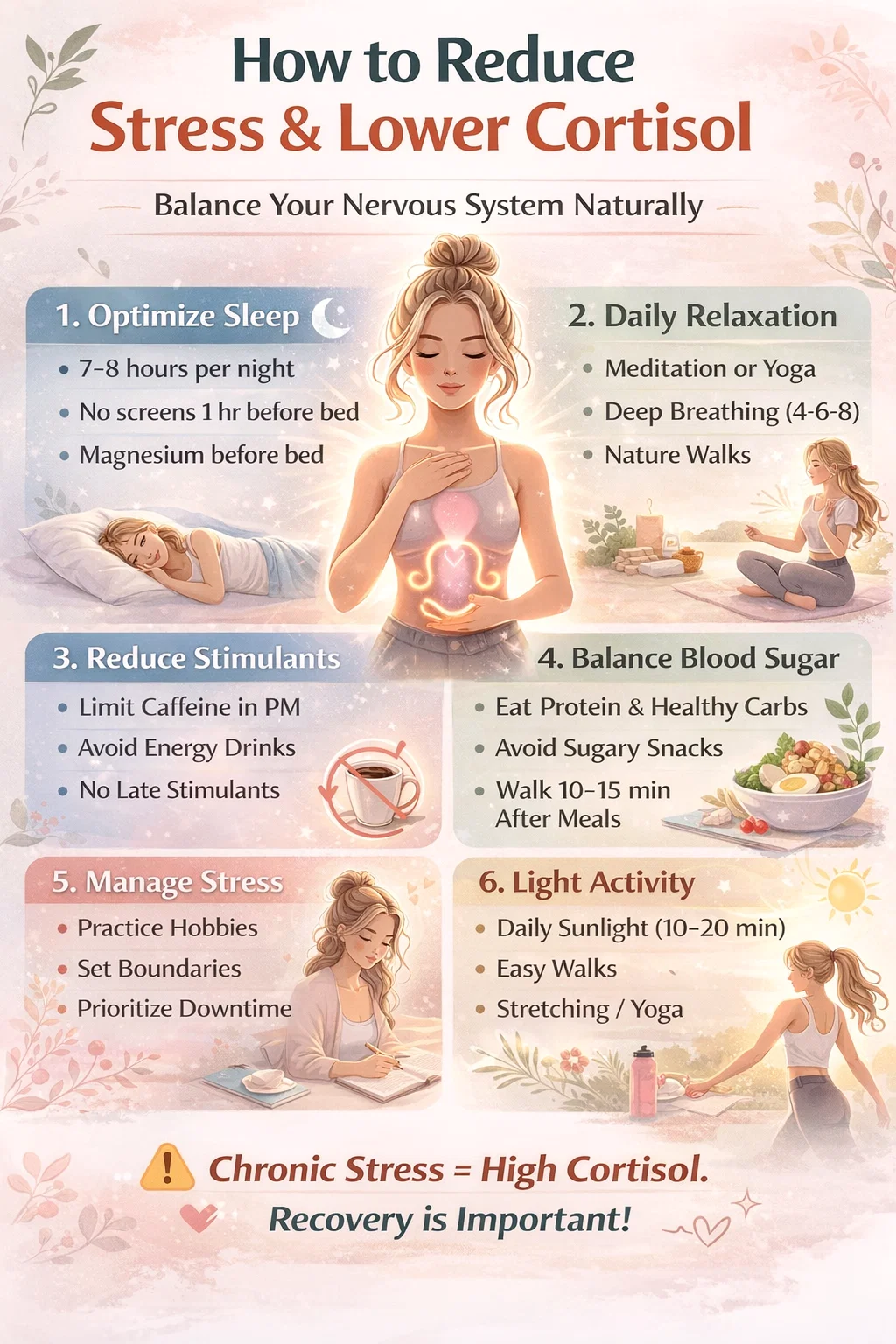
How to Reduce Systemic Stress and Lower Cortisol Levels Naturally Reset Nervous System
Living in a fast-paced world often feels like running a marathon with no finish line. If you constantly feel wired but tired, struggle with brain fog, or find it impossible to truly relax, you are likely dealing with the physical toll of systemic stress. Your body is equipped with an incredible survival mechanism, the fight or flight response, but it was never designed to be turned on 24/7. When stress becomes chronic, your cortisol levels remain elevated, leading to a cascade of health issues ranging from weight gain to sleep disturbances. The good news is that you have the power to reset your nervous system and bring your hormones back into a state of harmony.
Understanding the Impact of High Cortisol
Cortisol is often labeled as the stress hormone, but it actually plays many vital roles in the body, including regulating metabolism and reducing inflammation. However, the problem arises when the adrenal glands pump out cortisol in response to modern stressors like emails, traffic, and lack of sleep. Systemic stress means your entire biological system is under pressure, and over time, this can lead to adrenal fatigue and a dysregulated nervous system.
When cortisol levels stay high, your body remains in a state of high alert. This suppressed immune function and disrupts the natural rhythm of other hormones, such as melatonin and insulin. Recognizing that your body is stuck in this loop is the first step toward recovery. By implementing intentional lifestyle shifts, you can signal to your brain that it is safe to downshift from survival mode into a state of rest and digest.
Step 1: The Foundation of Sleep Optimization
Sleep is the ultimate recovery tool for your nervous system. Without adequate rest, your body cannot repair tissues or clear out the metabolic waste that accumulates during the day. To lower cortisol, you should aim for 7 to 8 hours of high-quality sleep every night. It is not just about the duration, but the consistency of your sleep-wake cycle.
The Role of Magnesium and Evening Rituals
Many people find that taking a magnesium supplement before bed helps to calm the nervous system and relax the muscles. Magnesium is a mineral that most adults are deficient in, and it plays a crucial role in managing the stress response. Additionally, creating a digital-free buffer zone is essential. Try to turn off all screens at least one hour before you plan to sleep. The blue light emitted by phones and laptops inhibits melatonin production, making it much harder for your brain to realize it is nighttime.
Step 2: Daily Relaxation Techniques
You do not need to spend hours at a spa to relax your nervous system. Integration of small, potent moments of calm throughout your day can prevent stress from building up to a breaking point. Deep breathing is one of the fastest ways to communicate with the vagus nerve, which acts as the highway of the parasympathetic nervous system.
Practicing the 4-6-8 Breathing Method
The 4-6-8 breathing technique involves inhaling for 4 seconds, holding for 6, and exhaling slowly for 8 seconds. This specific rhythm forces your heart rate to slow down and tells your brain that there is no immediate threat. Pair this with daily meditation or gentle yoga to cultivate a sense of internal peace. Nature walks are also incredibly healing, as the fractal patterns found in trees and plants have been scientifically proven to reduce stress levels.
Step 3: Reducing Stimulants for Hormonal Balance
If you are already feeling stressed, adding high doses of caffeine is like pouring gasoline on a fire. Stimulants trigger the adrenal glands to release more cortisol and adrenaline, which can keep you in a state of anxiety. While you do not necessarily have to give up your morning coffee, it is wise to limit caffeine consumption and avoid it entirely in the afternoon.
Energy drinks and late-night stimulants are particularly disruptive because they interfere with your body’s natural ability to wind down. If you find yourself reaching for caffeine to get through a mid-afternoon slump, it may be a sign that your blood sugar is crashing or that your adrenals need a break. Switching to herbal teas or decaf options in the PM can significantly improve your cortisol rhythm.
Step 4: Balancing Blood Sugar Levels
Many people are surprised to learn that blood sugar fluctuations are a major internal stressor. When your blood sugar drops too low, your body releases cortisol to help bring it back up. This creates a rollercoaster of energy crashes and mood swings. To maintain stability, focus on eating meals that combine high-quality protein with healthy carbohydrates and fats.
The Power of Post-Meal Movement
Avoiding sugary snacks and refined flours will prevent the sharp spikes and drops that stress your system. Another simple yet effective habit is taking a short 10 to 15 minute walk after your meals. This light activity helps your muscles soak up glucose, keeping your blood sugar steady and reducing the burden on your endocrine system. Small dietary changes can lead to a much calmer internal environment.
Step 5: Active Stress Management and Boundaries
Stress management is not just about what you do, but also about what you stop doing. Mental and emotional stress can be just as damaging as physical stress. Setting healthy boundaries in your personal and professional life is a non-negotiable part of a cortisol-conscious lifestyle. This might mean saying no to extra commitments or turning off work notifications after a certain hour.
Prioritizing downtime is essential for long-term health. Engaging in hobbies that bring you joy, whether it is painting, reading, or gardening, helps to lower your heart rate and shift your focus away from daily pressures. Remember that taking time for yourself is not selfish; it is a necessary part of maintaining your well-being so that you can show up fully for others.
Step 6: Incorporating Light Physical Activity
While intense training has its place, over-exercising when you are already burned out can actually drive cortisol levels higher. When your system is stressed, light activity is often more beneficial than a high-intensity workout. Gentle movement keeps the blood flowing and the joints mobile without putting excessive strain on the heart and lungs.
The Importance of Sunlight and Stretching
Getting 10 to 20 minutes of daily sunlight is a powerful way to regulate your circadian rhythm. Early morning light exposure helps set the timer for your body to produce melatonin later that evening. Incorporate easy walks and daily stretching or yoga to keep your body feeling fluid. These practices help release physical tension stored in the muscles, particularly in the neck, shoulders, and hips where stress often accumulates.
The Crucial Link Between Training and Recovery
A common mistake in fitness circles is the belief that more is always better. However, recovery is just as important as the training itself. If you are constantly pushing your body without allowing for adequate repair, you will eventually face burnout and injury. Chronic stress leads to high cortisol, and high cortisol makes it harder for your body to build muscle or lose fat. By respecting your body’s need for rest, you actually improve your overall performance and longevity.
Embracing a Holistic Approach to Healing
Resetting your nervous system is a journey, not a quick fix. It requires a holistic approach that looks at your environment, your nutrition, and your mindset. Start by picking one or two of the strategies mentioned above and practice them consistently. Perhaps you begin by prioritizing your sleep and adding a short walk after dinner. As these habits become second nature, you can layer in more advanced techniques like breathwork and boundary setting.
Listen to the signals your body is sending you. Fatigue, irritability, and digestive issues are often cries for help from a system that is overwhelmed. By slowing down and providing your body with the nutrients and rest it needs, you can break the cycle of chronic stress. You deserve to feel vibrant, calm, and energized.
Conclusion: Finding Your Path to Calm
Reducing systemic stress and lowering cortisol levels is one of the most transformative things you can do for your health. By optimizing your sleep, managing your intake of stimulants, and balancing your blood sugar, you create a stable foundation for your hormones to thrive. Incorporating daily relaxation and light activity ensures that your nervous system stays resilient in the face of life’s challenges. Remember that your health is a long-term investment. Every small step you take toward balancing your stress levels will pay off in the form of better moods, deeper sleep, and a more balanced life. Start today by giving yourself permission to rest and recover.