How to Resolve Relationship Conflict 8 Tips for Better Communication and Healthier Bonds
Navigating the complexities of a romantic relationship often feels like walking a tightrope. One moment, everything is harmonious, and the next, a simple misunderstanding over the dishes or a tone of voice can escalate into a full blown argument. However, conflict itself is not the enemy of a successful partnership. In fact, when handled with intention and grace, disagreements can serve as the very foundation for deeper intimacy and mutual understanding. The secret lies not in avoiding the storm, but in learning how to navigate the waves together without sinking the ship.
When we find ourselves in the heat of the moment, our natural biological response is often to protect ourselves. Our hearts race, our voices rise, and we stop seeing our partner as our closest ally. We begin to see them as an opponent to be defeated. This shift in perspective is where most relationship damage occurs. To build a lasting bond, we must consciously rewire our approach to conflict, moving away from winning and losing and toward a shared goal of resolution and connection.
The Essential Shift: Your Partner Is Not Your Enemy
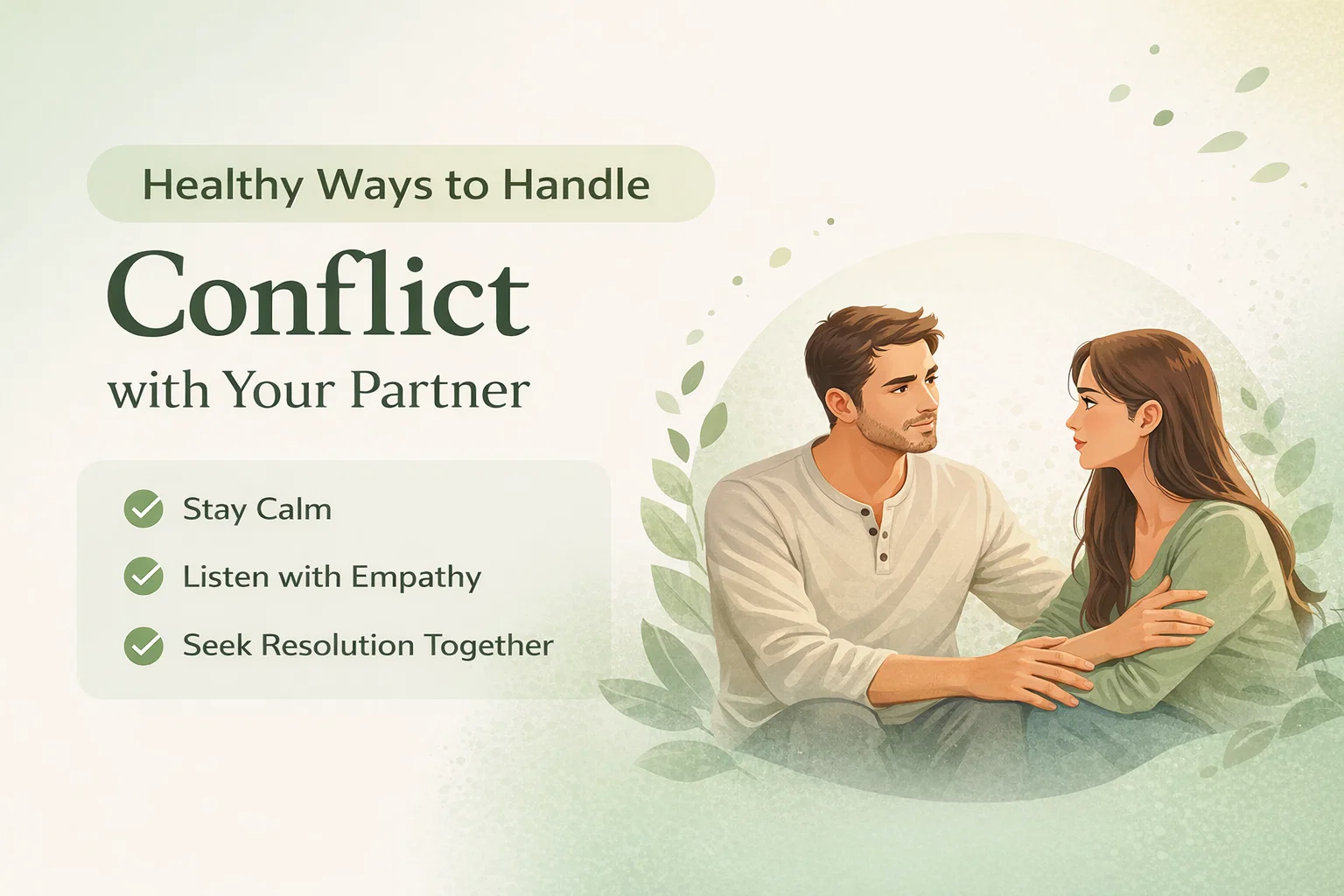
The most important rule to remember during any disagreement is that you and your partner are on the same team. It is easy to lose sight of this when you feel hurt, ignored, or unfairly criticized. However, the moment you begin to view your partner as an adversary, the conversation is no longer about solving a problem; it is about power. This mindset creates a wall that prevents any real progress from being made.
Instead of looking at the situation as You vs. Them, try reframing it as You and Them vs. The Problem. Whether the issue is financial stress, parenting styles, or simple household chores, the problem is an external factor that you both need to address. When you approach the discussion with this unified front, you naturally become more collaborative and less defensive. You are no longer trying to prove you are right; you are trying to find a way for both of you to feel better.
The Power of the Strategic Pause
One of the simplest yet most difficult techniques to master is breathing before you speak. In the middle of an argument, our nervous systems are often in a state of fight or flight. When we are triggered, the logical part of our brain essentially goes offline, leaving the emotional center in charge. This is why we often say things we later regret things that are sharp, mean, or intentionally hurtful.
By taking a conscious breath, you give your brain a moment to catch up with your emotions. This tiny window of time allows you to choose your words with care rather than reacting impulsively. It gives you the chance to ask yourself if what you are about to say is helpful, or if it is merely meant to sting. A single breath can be the difference between a productive conversation and a week of icy silence.
Embracing Vulnerability and the Courage to Be Wrong
In our culture, we are often taught that being wrong is a sign of weakness. In a relationship, however, the ability to admit you were wrong is a profound sign of strength and maturity. Rigidly clinging to your own perspective just to save face only creates resentment. It sends a message to your partner that your ego is more important than their feelings or the truth of the situation.
It is okay to be wrong. It is okay to realize halfway through a debate that your logic was flawed or that your reaction was disproportionate. When you have the courage to say, I see now that I overreacted, or You are right, I didn’t consider that perspective, you instantly lower the tension in the room. This vulnerability invites your partner to do the same, creating a safe space where both of you can be imperfect human beings.
Validating Your Partners Perspective
Even if you do not entirely agree with your partner, it is vital to acknowledge that they might have a valid point. Validation is not the same as agreement. You can validate their feelings without changing your own stance. For example, saying, I can see why that made you feel lonely, acknowledges their experience without you necessarily admitting you did something wrong on purpose.
When a person feels validated, their need to defend themselves diminishes. They no longer feel the need to shout to be heard. By looking for the kernel of truth in what your partner is saying, you show them respect. You demonstrate that you value their inner world, even when it differs from your own. This builds a bridge of empathy that makes reaching a compromise much easier.
Separating Your Worth from Criticism
A major reason why we get so defensive during conflict is that we interpret criticism of our actions as a critique of our entire being. If a partner says, I felt hurt when you forgot to call, we often hear, You are a bad partner and a failure. This internal translation triggers a massive defensive response because our very sense of self-worth feels under attack.
To have healthy arguments, you must learn to decouple your self-worth from the feedback you receive. Your partner’s frustration with a specific behavior is not a verdict on your character. You can be a wonderful, loving person and still make mistakes or have blind spots. When you realize that criticism doesn’t define your worth, you can listen to feedback objectively. You can look at the behavior in question without feeling like you are fighting for your identity.
Knowing When to Step Away
There is a common piece of advice that says you should never go to bed angry. While well-intentioned, this can sometimes be the worst thing for a relationship. Forcing a resolution when both people are exhausted, overwhelmed, or emotionally flooded usually leads to more damage. If you sense that the argument is no longer productive and is instead becoming hurtful, it is time to take a break.
Taking a break is not the same as walking away or stonewalling. It is a strategic pause designed to protect the relationship. When you feel your heart rate climbing or your temper fraying, it is perfectly acceptable to say, I care about this conversation, but I am too upset to be productive right now. I need thirty minutes to calm down so we can talk about this calmly.
The Importance of the Return Agreement
The key to a successful break is the agreement to come back. If one person walks away without a clear plan to return, the other person often feels abandoned and anxious. This can lead to a cycle of chasing and retreating that escalates the conflict. Always set a specific time to revisit the topic, whether it is in an hour or the next morning. This ensures that the issue isn’t being swept under the rug, but is being handled when both parties are emotionally settled and capable of kindness.
The Magic of Genuine Listening
Most of us don’t actually listen during an argument; we simply wait for our turn to speak. While our partner is talking, we are mentally rehearsing our rebuttal, looking for holes in their logic, and preparing our defense. This is not communication; it is two monologues happening in the same room.
Genuinely listening to your partner means trying to understand their intent and their emotion, not just their words. It means asking clarifying questions like, So what you’re saying is that you feel overwhelmed when the house is messy? Is that right? When you listen with the intent to understand rather than the intent to respond, something amazing happens. Your partner feels seen. And when your partner feels seen, they are much more likely to extend that same courtesy to you. Listening is the fastest way to ensure you will be heard too.
Building a Foundation of Trust Through Conflict
Ultimately, every conflict is an opportunity to prove to each other that the relationship can survive disagreement. Each time you handle a fight with respect, each time you apologize for a harsh word, and each time you choose to listen instead of shout, you are depositing trust into your relationship bank account. You are teaching each other that it is safe to be honest and safe to be vulnerable.
Over time, this creates a relationship where conflict is no longer scary. You begin to trust that even when things get heated, you will both do the work to find your way back to each other. You stop fearing the argument and start valuing the growth that comes from it. This resilience is what separates lasting partnerships from those that crumble under pressure.
Final Thoughts on Harmonious Conflict Resolution
Conflict is an inevitable part of sharing your life with another person. You are two different individuals with different backgrounds, needs, and communication styles. Clashes are bound to happen. But as we have explored, these moments do not have to be destructive. By remembering that your partner is your friend, practicing the art of the pause, and valuing understanding over being right, you can transform your arguments into catalysts for love.
Be patient with yourself as you practice these skills. Emotional regulation is a muscle that takes time to build. There will be days when you forget to breathe and days when your ego takes the driver’s seat. That is okay. What matters is the commitment to try again and the willingness to repair the bond afterward. By prioritizing the health of the relationship over the need to win, you ensure a partnership that is not only strong but deeply fulfilling for years to come.