How to Set Up a Healing Altar for Energy Balancing Sacred Space Decor Spiritual Tools
Creating a dedicated space for healing and reflection is one of the most transformative steps you can take on your journey toward holistic wellness. A healing altar serves as a physical anchor for your intentions, a visual reminder of your commitment to self-care, and a sacred sanctuary where the noise of the outside world fades away. Whether you are seeking emotional balance, physical recovery, or spiritual growth, the act of assembling an altar allows you to curate an environment that vibrates with peace and purpose. It is not about following a rigid set of rules but rather about building a collection of items that resonate deeply with your soul and support your unique path to well-being.
The Foundation of Your Sacred Space
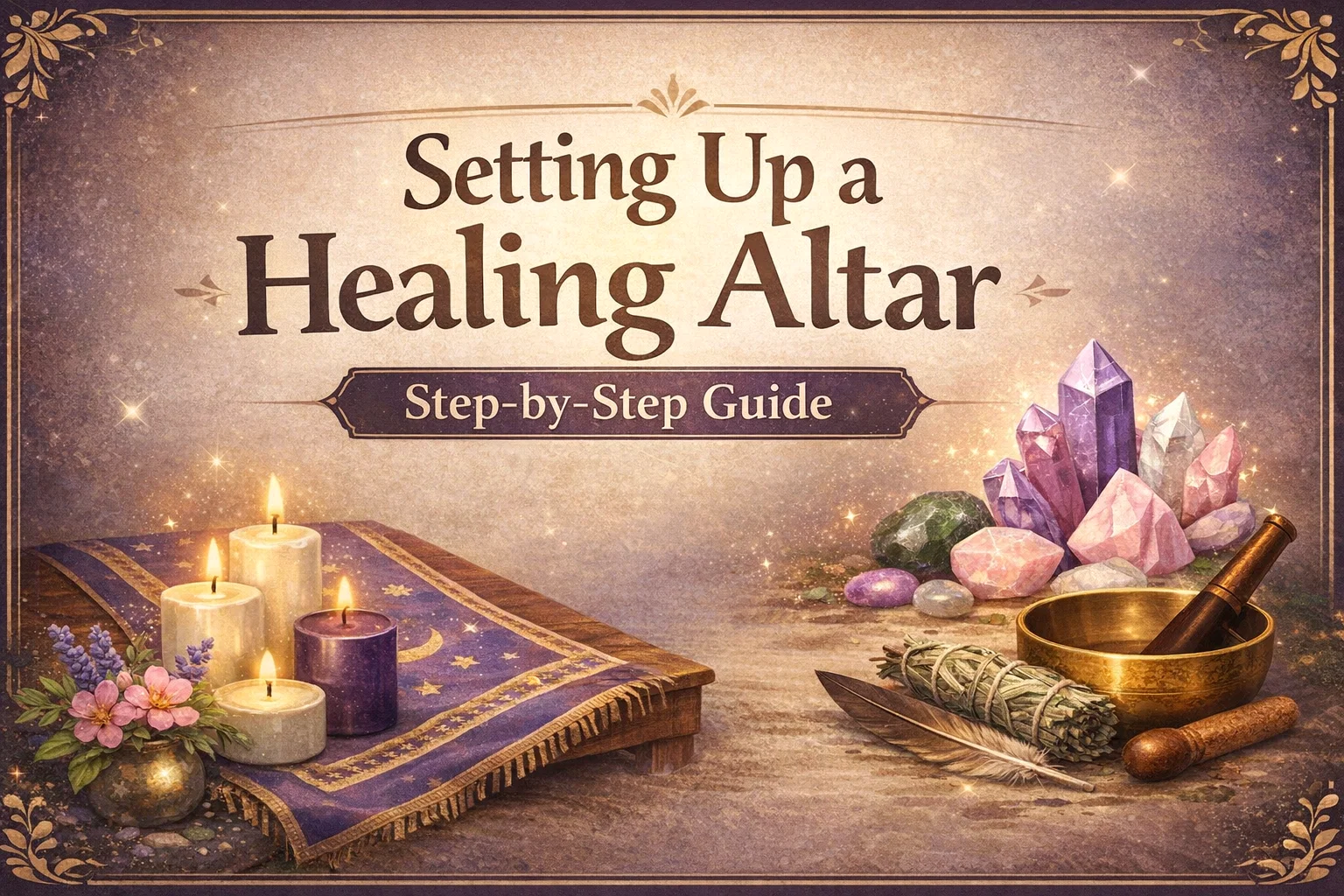
Every meaningful creation starts with a solid foundation. In the context of a healing altar, this begins with the surface you choose and how you prepare it. You might use a small wooden table, a bookshelf, or even a windowsill that catches the morning light. The key is to treat this surface with respect. Many practitioners choose to use a sacred cloth to set the stage. A cloth made of natural fibers like silk, cotton, or linen helps to define the boundaries of your altar and protects the items you place upon it. Choosing a color that aligns with your current goals can further enhance the energy. For instance, purple often represents spiritual wisdom, while green is tied to physical health and growth.
Cleansing the Environment
Before placing your sacred objects, it is essential to clear the energy of the area. This process, often called smudging or space clearing, ensures that your altar starts with a neutral and high-vibrational frequency. You can use dried herbs like sage or cedar, or perhaps a high-quality incense. As the smoke rises, imagine it carrying away any stagnant or negative energy from the room. If you prefer a smoke-free option, a bell or a singing bowl can use sound vibrations to break up energetic blockages. This simple ritual signals to your subconscious that you are entering a different state of mind, one focused on healing and intentionality.
The Power of Crystals and Stones
Crystals are perhaps the most popular additions to a healing altar because of their stable energy structures and historical associations with various types of healing. These gifts from the earth act as batteries for your intentions. When selecting stones for your altar, trust your intuition. You might find yourself drawn to the soothing lavender hues of Amethyst, which is excellent for calming an overactive mind and promoting restful sleep. Alternatively, Clear Quartz is often referred to as the master healer because it can be programmed for any purpose and amplifies the energy of other stones nearby.
Selecting Stones for Specific Needs
If your focus is on emotional healing or self-love, Rose Quartz is a vital inclusion. Its soft pink glow encourages compassion and helps to heal wounds of the heart. For those seeking grounding and protection during difficult times, Black Tourmaline or Smoky Quartz can provide a sense of stability and security. Arrange these stones in a way that feels balanced. Some people like to create a crystal grid on their altar, while others prefer to keep a single, large specimen as a focal point. Remember to cleanse your crystals regularly under the moonlight or with cool water to keep their energy vibrant and clear.
Illuminating Your Intentions with Candles
Fire is a transformative element that has been used in sacred ceremonies for thousands of years. On your healing altar, candles serve as a literal and metaphorical light in the darkness. Lighting a candle is a powerful way to mark the beginning of your meditation or healing practice. The flickering flame helps to draw the eyes into a soft focus, making it easier to enter a state of deep relaxation. The color of the candle can also play a role in your work. A white candle is universal for purity and peace, while a blue candle might be used to encourage better communication and truth.
Safety and Mindfulness with Fire
While the presence of a flame is beautiful, it is important to practice fire safety. Always ensure your candles are in sturdy holders and never leave them unattended. If you have pets or small children, high-quality LED candles can provide a similar visual effect without the risk. The act of lighting the wick should be done with a specific thought in mind. As the flame grows, visualize your goal or your healing process becoming more manifest in your daily life. This simple repetitive action builds a strong mental association between the light of the candle and your inner peace.
Integrating Healing Tools and Sound
A healing altar is more than just a decorative display; it is an interactive space. Including specific tools allows you to engage your senses during your practice. A Tibetan singing bowl is a magnificent addition. When you strike the bowl or run the mallet around its rim, it produces a rich, harmonic tone that can instantly shift your brain waves into a meditative state. These sound vibrations travel through the body, helping to release tension at a cellular level. Other tools might include a small bell, a pendulum for seeking inner guidance, or even a journal where you record your reflections after spending time at your altar.
The Role of Sacred Herbs and Smudge Sticks
Incorporate botanical elements to bring the healing power of nature directly onto your altar. A bundle of dried white sage or Palo Santo wood can be kept on the altar as a permanent fixture. These items are not just for burning; their scent alone can trigger a relaxation response. Lavender sprigs are also wonderful for promoting a sense of ease. By having these tools within reach, you create a tactile experience that makes your spiritual practice feel more grounded and accessible. Every time you touch or use these items, you are reinforcing the energetic circuit of your sacred space.
Bringing Life with Flowers and Herbs
Nature is the ultimate healer, and bringing living elements to your altar connects you to the cycles of life and renewal. Fresh flowers provide a burst of color and fragrance that lifts the spirit immediately. They represent the fleeting beauty of the present moment and the potential for blooming even in challenging conditions. You might choose flowers based on their traditional meanings, such as lilies for purity or sunflowers for vitality and joy. As the flowers eventually fade, they serve as a gentle reminder of the necessity of letting go to make room for new growth.
Herbal Allies for Wellness
Beyond flowers, dried or fresh herbs can be used to target specific healing goals. Rosemary is often used for clarity of thought and memory, making it a great addition if you are working through complex life decisions. Eucalyptus can be included to represent respiratory health and the clearing of grief. You can place these herbs in small bowls or tie them in bundles with colorful thread. The presence of these plant allies creates a bridge between your indoor sanctuary and the vast, healing intelligence of the natural world.
Incorporating Spiritual Symbols
Symbols act as a shorthand for complex spiritual concepts and can provide deep comfort and inspiration. Depending on your personal beliefs, you might include symbols that represent your heritage or your chosen spiritual path. The Ankh, an ancient Egyptian symbol, represents life and eternal energy. The Pentagram often symbolizes the five elements and the connection between the human spirit and nature. Other common symbols include the Lotus flower, representing rising above adversity, or the Om symbol for universal harmony.
The Meaning of Personal Totems
Your altar should also feature items that have deep personal significance, even if they aren’t traditional spiritual symbols. This could be a photograph of a loved one, a stone found on a meaningful vacation, or a small figurine that represents a quality you wish to embody, such as a lion for courage. These personal totems make the altar uniquely yours. They carry the weight of your history and the strength of your aspirations. When you look at these symbols, they should spark a feeling of connection and remind you of the internal resources you already possess.
Maintaining the Energy of Your Altar
A healing altar is a living entity that requires regular care and attention. If dust begins to collect or the flowers wilt, the energy of the space can become heavy. Make it a habit to tidy your altar at least once a week. Wipe down the surface, refresh the water in your flower vases, and rearrange the items if you feel the need for a change. This act of maintenance is a form of meditation in itself. It shows that you value your sacred space and, by extension, you value your own well-being.
Adapting to the Seasons of Life
As you grow and your needs change, your altar should evolve with you. During a time of physical illness, you might fill your space with green stones and healing herbs. During a time of transition or career change, you might focus on symbols of manifestation and candles in shades of gold or orange. Don’t be afraid to take things off the altar when they no longer serve you. By keeping the contents of your altar relevant to your current life situation, you ensure that it remains a potent tool for transformation rather than just a stagnant collection of objects.
Practical Tips for Altar Placement
While the contents of the altar are vital, where you place it in your home also matters. Ideally, it should be in a spot where you feel comfortable sitting or standing for several minutes at a time. A quiet corner of a bedroom or a dedicated meditation room is perfect. However, if you live in a busy household, even a small shelf in a hallway can work. The most important factor is that you can interact with the altar without feeling rushed or interrupted. If you are short on space, consider a portable altar in a beautiful box that you can set up whenever you need a moment of peace and then tuck away when you are finished.
Creating a Multi-Sensory Experience
To get the most out of your healing altar, try to engage all five senses. Visual beauty comes from the colors and symbols. The sense of smell is engaged through incense, essential oils, or fresh herbs. Sound is provided by singing bowls or soft background music. Touch is involved when you handle your crystals or sacred tools. You can even include a sense of taste by placing a small bowl of fruit or a cup of herbal tea on your altar as an offering to yourself. By involving your entire body in the experience, you make the healing process more profound and integrated.
Conclusion: Your Journey to Inner Harmony
Building and using a healing altar is a deeply rewarding practice that brings a sense of magic and intentionality into everyday life. It provides a physical location for you to process your emotions, recharge your energy, and reconnect with your higher self. There is no right or wrong way to set up your space. The most powerful altar is one that is created with a sincere heart and a clear focus on healing. As you spend time in your sacred sanctuary, you will likely find that the peace you cultivate there begins to spill over into the rest of your day, helping you navigate the world with more grace and resilience. Treat your altar as a work in progress, a mirror of your own beautiful and unfolding journey toward wholeness.