How to Sew a Zipper into a Pillow Cover Easy Step-by-Step Guide
There is something incredibly satisfying about transforming a plain piece of fabric into a polished, functional home accessory. If you have ever looked at a store-bought throw pillow and wondered how they achieved that seamless, professional finish with the zipper, you are not alone. Sewing a zipper onto a pillow cover is often viewed as a daunting hurdle by beginners, but it is actually one of the most practical skills you can learn to elevate your DIY home decor projects.
Mastering this technique allows you to move beyond simple envelope-style covers and start creating professional-grade cushions that look like they came straight from a high-end catalog. By understanding the mechanics of how a zipper sits within a seam, you gain total control over the aesthetic and durability of your pillows. Let’s break down exactly how you can master this essential sewing technique.
Understanding the Mechanics of a Zipper Installation
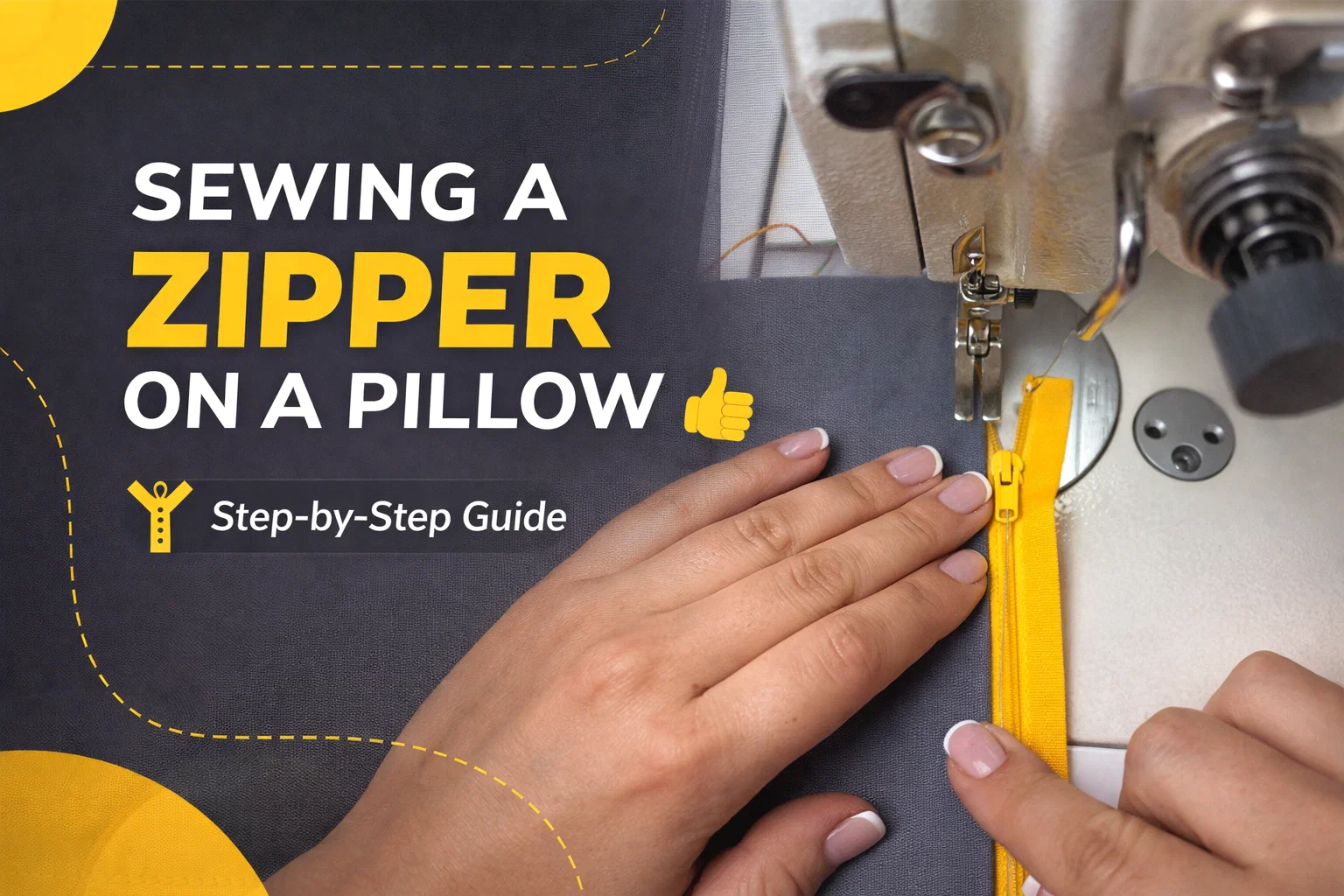
Before you even touch your fabric, it is helpful to understand why a professional zipper installation looks so crisp. The secret lies in the alignment and the correct use of your sewing machine accessories. Specifically, using the right presser foot is non-negotiable. A zipper foot is designed to allow the needle to get as close to the teeth of the zipper as possible without hitting the metal or plastic components, which is crucial for achieving that clean, barely-visible look.
The Importance of Preparation and Fabric Choice
Before you begin sewing, proper preparation prevents common frustration. Always ensure your fabric is pre-washed and ironed. Wrinkled fabric will lead to uneven seams, and trying to install a zipper on fabric that has not been shrunk can result in pulling and puckering once the pillow cover eventually hits the wash.
When selecting your materials, consider the weight of the fabric in relation to your zipper. For heavy upholstery fabrics, you want a sturdy nylon coil zipper. For lighter decorative cottons, a standard lightweight zipper works perfectly. Matching your thread color to the fabric is essential, although some DIYers love to use a contrasting color for a modern, intentional look.
Step-by-Step Guide to a Perfect Pillow Zipper
The process is broken down into a few logical phases. By following these steps, you can avoid common mistakes like zippers that get stuck or fabric that bunches up under the presser foot.
Step 1: Preparing the Seam
Pin your two fabric pieces together, right sides facing each other. Sew the seam where the zipper will go, but use a basting stitch—the longest stitch length on your machine. This temporarily holds the seam closed so you can press it open flat. This flat surface is the foundation of your entire installation.
Step 2: Placing the Zipper
Lay your zipper face down on the seam allowance. Center it so the teeth line up exactly with the basted seam line. Use pins or specialized fabric clips to keep everything perfectly in place. Accuracy here determines the success of the final product. If the zipper shifts even slightly, the entire seam will look crooked.
Step 3: Stitching the Zipper Down
Switch to your zipper foot. Start stitching from the bottom of the zipper, moving up toward the pull tab. Be sure to backstitch at both the beginning and the end to secure the zipper. If you find the zipper pull is in your way, stop with the needle down in the fabric, raise the presser foot, and zip the pull past your needle to clear your path. This is a common move that makes the process much smoother.
Pro Tips for Professional Results
Even if you are new to sewing, these professional habits will make a noticeable difference in the quality of your finished pillows.
- Always use a Zipper Foot: Never attempt to install a zipper with a standard all-purpose presser foot. It will not get close enough to the teeth, resulting in a loose and messy-looking seam.
- Backstitch for Durability: Zippers endure a lot of tension when you are stuffing a pillow form into a cover. Always reinforce your start and stop points with backstitching to prevent the zipper from ripping away from the fabric over time.
- Press as You Go: After sewing the zipper, remove the basting stitches and press the seam again. A good iron is just as important as a good sewing machine for professional-looking results.
- Test the Movement: Before you close up the remaining three sides of your pillow, test the zipper to make sure it glides smoothly and does not catch on the fabric edges.
Troubleshooting Common Issues
Even experienced sewers run into trouble. If your zipper is puckering, it might be that you are pulling the fabric too tightly as it feeds through the machine. Let the feed dogs do the work; guide the fabric gently without tugging. If the zipper is visible when it should be hidden, your needle may be too far away from the teeth. Adjust your needle position if your machine allows it, or re-align the zipper closer to the edge of the presser foot.
Conclusion: The Path to Mastered Skills
Sewing a zipper into a pillow cover is a foundational skill that opens up a world of creativity for your home decor. Once you get the hang of it, you will stop looking at zippers as a chore and start viewing them as an opportunity to customize your space. Whether you are refreshing your living room for the season or creating handmade gifts for friends, the ability to add a high-quality zipper is a sign of a truly capable maker.
Start with a simple project, take your time with the alignment, and do not be afraid to rip out a seam and try again if it is not perfect the first time. Every stitch you make is practice that builds your confidence. Happy sewing!
Would you like me to create a step-by-step checklist of the essential tools needed for this project to help you get organized?