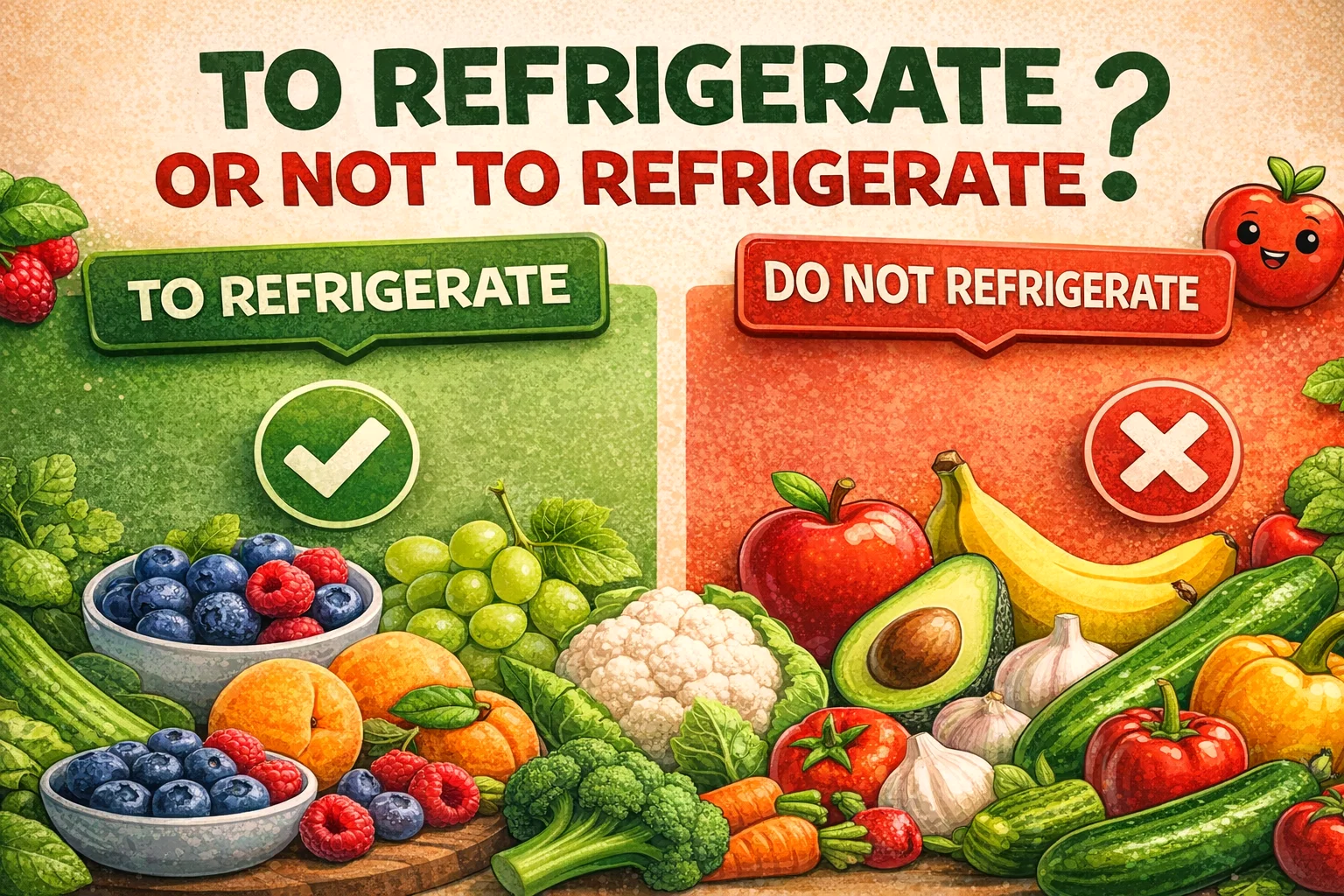
How to Store Fruits and Veggies Refrigerate or Not Fresh Produce Storage Guide
Managing a kitchen can sometimes feel like a high stakes game of Tetris. You come home with bags full of vibrant, crisp produce, only to find a week later that your tomatoes have turned mushy and your cucumbers are strangely pitted. It is a common frustration that leads to unnecessary food waste and a dent in your grocery budget. The secret to making your fruits and vegetables last longer and taste better is not just about how quickly you eat them, but exactly where you put them the moment you walk through the door. Understanding the science of temperature and humidity is the ultimate kitchen superpower for anyone looking to live a more sustainable, healthy lifestyle.
The Science of the Chill: Why Some Produce Thrives in the Cold
Refrigeration is designed to slow down the biological processes of plants. Once a fruit or vegetable is harvested, it continues to breathe and release moisture. Cold temperatures slow down the respiration rate, which essentially puts the produce into a state of semi hibernation. This is why leafy greens like spinach and cruciferous vegetables like broccoli stay crisp in the crisper drawer. Without that cold environment, the enzymes within these plants would break down the cell walls much faster, leading to that dreaded yellowing and wilting.
Berries and Delicate Fruits
Berries are among the most fragile items in your kitchen. Strawberries, raspberries, blueberries, and blackberries have thin skins and high water content, making them extremely susceptible to mold. Keeping them in the refrigerator is non negotiable if you want them to last more than a day. However, a pro tip is to avoid washing them until the very second you are ready to snack. Moisture is the enemy of the berry, and even a little bit of leftover water can trigger fungal growth in the cold environment of the fridge.
The Crunchy Green Brigade
Veggies like carrots, celery, and radishes love the cold and high humidity. These are root vegetables or stalks that are used to being in the moist, cool earth. When they are exposed to the dry air of a countertop, they lose their moisture rapidly and become rubbery. If you want to take your carrot game to the next level, try storing them in a container of water inside the fridge. You will be amazed at how they retain that satisfying snap for weeks on end.
When the Fridge is the Enemy: Produce That Prefers the Counter
It might seem counterintuitive, but the refrigerator can actually ruin the flavor and texture of many popular fruits and vegetables. For some items, the cold temperature causes a physiological breakdown known as chilling injury. This can manifest as internal browning, loss of aroma, or a mealy texture that makes even the most beautiful peach unpalatable.
The Tomato Tragedy
Putting a tomato in the refrigerator is one of the most common kitchen mistakes. Tomatoes are technically tropical fruits, and cold temperatures stop the ripening process cold. More importantly, the cold breaks down the membranes inside the fruit, resulting in a mealy, floury texture and a total loss of that rich, sun kissed flavor. To keep your tomatoes at their best, leave them on the counter at room temperature, ideally stem side down to prevent moisture loss and bacterial entry.
Potatoes and Starches
Potatoes are another item that should stay far away from the fridge. When a potato gets too cold, the starch inside begins to convert into sugar. Not only does this change the flavor profile, making it strangely sweet, but it also causes the potato to discolor when cooked. Even worse, that extra sugar can lead to higher levels of a chemical called acrylamide when the potatoes are fried or roasted at high temperatures. A cool, dark pantry is the perfect home for your spuds.
Ethylene Gas: The Invisible Ripener
Beyond just temperature, you need to be aware of the invisible gas being emitted by your produce. Ethylene is a natural plant hormone that triggers ripening. Some fruits are heavy producers of ethylene, while others are extremely sensitive to it. If you store an ethylene producer next to a sensitive vegetable, you are essentially fast tracking its journey to the compost bin.
- Ethylene Producers: Apples, bananas, avocados, and peaches.
- Ethylene Sensitive: Broccoli, leafy greens, carrots, and cucumbers.
This is why you often see apples and bananas stored separately in professional kitchens. If you have a rock hard avocado that you want to eat tomorrow, putting it in a paper bag with a banana will concentrate the ethylene gas and ripen it overnight. Conversely, if you want your spinach to last the week, keep it far away from the fruit bowl.
Smart Storage Hacks for a Zero Waste Kitchen
Maximizing the lifespan of your food is about more than just the right shelf. It is about the right environment. Here are a few ways to level up your storage game:
Use Your Crisper Drawers Correctly
Most modern refrigerators have adjustable vents on the crisper drawers. The high humidity setting (closed vent) is perfect for things that wilt, like lettuce and herbs. The low humidity setting (open vent) is best for things that rot, like apples and stone fruits. By separating your produce based on their moisture needs, you can extend their life significantly.
The Paper Towel Trick
For leafy greens and herbs stored in the fridge, tucking a dry paper towel into the bag or container can work wonders. The towel absorbs excess moisture that would otherwise sit on the leaves and cause slime, while still maintaining enough humidity to keep the greens crisp. It is a small step that pays off in much fresher salads.
A Quick Guide to Tropical and Stone Fruits
Tropical fruits like mangoes, papayas, and pineapples are used to warm climates. Forcing them into a 38 degree refrigerator before they are fully ripe will stun them and prevent them from ever reaching their full potential. The same goes for stone fruits like peaches and nectarines. The best approach is to let them ripen on the counter until they are slightly soft to the touch and fragrant, then move them to the fridge if you aren’t ready to eat them immediately to hold them at that perfect stage.
Avocados: The Timing Experts
Avocados are famously finicky. They stay hard for days and then seem to ripen and spoil in a matter of hours. The trick here is to keep them on the counter until they reach your preferred level of ripeness. Once they are perfect, pop them in the fridge. The cold will slow down the enzymes and give you an extra two to three days of that perfect creamy green interior.
Organization Leads to Better Nutrition
There is a psychological element to produce storage as well. If your healthy snacks are buried in the back of a dark drawer, you are less likely to eat them. Many professional organizers suggest the out of sight, out of mind rule. By keeping your colorful fruits in a bowl on the counter (the ones that belong there!) and prepping your veggies into clear containers in the fridge, you make the healthy choice the easy choice. Seeing those bright colors every time you open the door or walk into the kitchen serves as a visual reminder to get your daily servings of nutrients.
Conclusion: Mastering Your Kitchen Environment
Learning how to store your fruits and vegetables correctly is a simple skill that yields massive rewards. You will enjoy better tasting meals, save money by throwing away less food, and reduce your environmental impact. It is about respecting the natural biology of the food you buy. By separating the cold lovers from the counter dwellers and keeping an eye on ethylene gas, you can transform your kitchen into a haven of freshness. Next time you come home from the farmers market or grocery store, take an extra five minutes to place everything in its proper home. Your taste buds and your wallet will thank you for it.
Would you like me to create a printable grocery storage cheat sheet or perhaps generate some SEO keywords to help this post rank higher on Google?