How To Value Yourself Rules For Self-Respect Boundaries
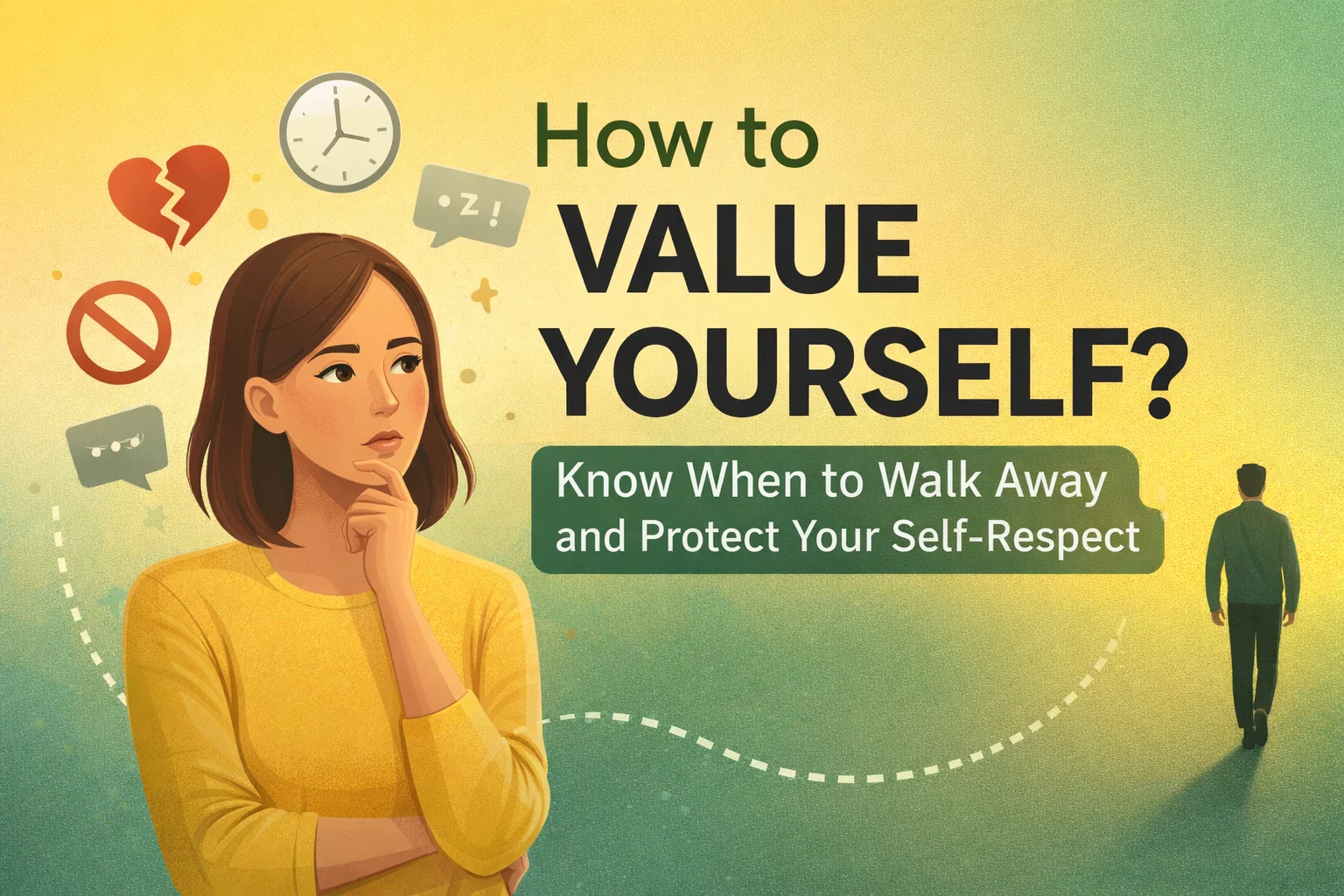
Have you ever paused to consider what it truly means to value yourself? In a world that constantly demands our attention, energy, and validation, it is incredibly easy to lose sight of our own worth. We often tie our value to how others perceive us, how much we achieve, or how loudly we can assert our presence. However, true self-respect is rarely about making a grand scene. It is built upon the quiet, everyday decisions you make to protect your peace, honor your boundaries, and prioritize your mental well-being. Mastering the art of valuing yourself is a transformative journey, and it begins with recognizing how you respond to the people and situations around you.
When you start paying attention to the subtle dynamics in your relationships, you will notice patterns that either drain your energy or uplift your spirit. Learning to navigate these moments with grace and firmness is the cornerstone of personal growth. Today, we are going to explore fifteen profound yet practical rules for valuing yourself. These guidelines will help you cultivate an unshakeable sense of self-worth that no one can easily diminish.
Recognizing When to Step Back
One of the most powerful tools in your self-care arsenal is the ability to create distance. You do not always need to fight for a seat at the table, especially if that table does not serve you well.
Dealing with a Lack of Appreciation
We all want to feel valued for our contributions. Whether it is in a romantic relationship, a friendship, or a professional environment, pouring your heart into something only to be met with indifference is deeply hurtful. If you find that you are consistently not appreciated, the most empowering move you can make is to step back. You do not need to announce your departure or demand recognition. Simply redirect that abundant energy toward yourself and toward environments that recognize your inherent value. Stepping back gives you clarity and prevents you from burning out for people who do not see your worth.
Navigating the Invitation Game
Social dynamics can be tricky, and feelings of exclusion are entirely natural. If you are not invited to an event or gathering, the golden rule is simple: do not force it. Pushing your way into spaces where you are not actively welcomed only undermines your self-respect. Your presence is a gift, and it should be treated as such. Trust that the right people will always make space for you naturally.
Similarly, if you are invited at the absolute last moment, it is often a sign of being an afterthought. While there are genuine emergencies or spontaneous plans, a pattern of last-minute invites usually indicates a lack of prior consideration. In these instances, you can politely say no. You do not owe anyone an elaborate explanation. Protecting your schedule and your energy reinforces the message that your time is valuable and must be respected.
Handling Disrespect and Negativity with Grace
How you react to negative behavior from others dictates how much power they hold over you. Valuing yourself means refusing to absorb toxicity.
When You Are Ignored or Forgotten
Being ignored can feel like a direct hit to your self-esteem. The immediate instinct might be to reach out more, to double text, or to try and win back their attention. Instead, if you are ignored, the healthiest response is to stop chasing. Chasing someone who is actively withdrawing their attention only leads to frustration and a diminished sense of self. Let them go. Your energy is much better spent on people who are eager to engage with you.
In a similar vein, if people forget you or fail to check in, do not remind them of your existence. It sounds harsh, but it is incredibly liberating. You are memorable, and those who genuinely care will make the effort to remember your milestones and your presence. By not reminding them, you allow relationships to filter themselves naturally, leaving you with connections that are truly reciprocal.
Navigating Betrayal and Insults
Betrayal is one of the most painful experiences we can face. It shatters trust and leaves lasting emotional scars. If you are betrayed, the path to healing is not through revenge or endless resentment. Instead, choose to forgive for your own inner peace, and move on for your personal growth. Forgiveness does not mean condoning their actions or inviting them back into your life. It means releasing the toxic grip that anger has on your heart. You move forward lighter and wiser.
When faced with insults, it is tempting to retaliate and stoop to their level. However, a person who values themselves knows that insults are usually a reflection of the other person’s insecurities. If you are insulted, focus entirely on improving yourself. Let their negativity fuel your ambition. Success and personal contentment are the absolute best responses to unwarranted criticism.
Reclaiming Your Power and Setting Boundaries
Valuing yourself is an active process. It requires you to draw lines in the sand and dictate how you will allow others to treat you.
Setting Limits When Used or Taken for Granted
Are you the person everyone turns to when they need a favor, but they magically disappear when you need support? If you realize you are being used, you must set clear limits immediately. Learn to say the word “no” without guilt. You are not a limitless resource for others to deplete. Establishing boundaries teaches people how to treat you and ensures that your generosity is not exploited.
This goes hand in hand with being taken for granted. When your kindness becomes an expectation rather than a celebrated gift, it is time to stop over-giving. Pull back on the constant favors, the endless emotional support, and the financial generosity if it is not a two-way street. Let them feel the absence of your effort so they can understand its true value.
Walking Away from Disrespect and Manipulation
Disrespect should be a hard line. If you are disrespected in a conversation or a relationship, you do not need to argue or yell to prove a point. The most powerful thing you can do is walk away calmly. Your peaceful withdrawal speaks volumes more than a heated argument ever could. It shows that you respect yourself too much to entertain toxic behavior.
Manipulation is often more subtle than outright disrespect. It can look like guilt-tripping, gaslighting, or shifting blame. If you sense that you are being manipulated, your top priority must be to protect your peace. Distance yourself from the manipulator, ground yourself in your own reality, and refuse to engage in their psychological games. Your mental clarity is far too important to compromise.
Trusting Actions and Letting Your Work Speak
Words are easy, but actions require intention. A core component of self-value is relying on tangible evidence rather than empty promises.
When You Are Underestimated
It is incredibly frustrating when people doubt your abilities or underestimate your potential. You might feel the urge to boast or desperately try to convince them of your skills. Instead, if you are underestimated, simply let your work speak for itself. Put your head down, focus on your craft, and deliver outstanding results. There is no argument against undeniable excellence. Let your achievements be the loud declaration of your capabilities.
Dealing with Lies and Control
Trust is the foundation of any healthy dynamic. If you are lied to, the dynamic fundamentally shifts. From that moment on, you must trust actions, not promises. People can promise the world to get out of trouble, but their consistent behavior over time is the only reliable indicator of their true character. Guard your trust carefully and only give it to those who earn it through honest actions.
Finally, if you feel controlled in a relationship or a work environment, it is imperative to take back your choices. Control strips away your autonomy and your voice. Reclaiming your power might mean making small, independent decisions at first, or it might mean leaving a restrictive situation entirely. You are the author of your own life, and no one else should hold the pen.
The Quiet Decisions of Daily Life
When you look closely at all these guidelines, a beautiful truth emerges. Self-respect is not loud. It is not about shouting your worth from the rooftops or demanding that everyone bow down to you. It is the quiet decisions you make daily.
It is the decision to sleep in instead of attending an event you dread. It is choosing to leave a text on read when it is designed to provoke an argument. It is the choice to eat well, to speak kindly to yourself in the mirror, and to surround yourself with people who celebrate your authentic self. These micro-moments of choosing yourself compound over time, building a fortress of self-worth that cannot be easily breached.
If negativity surrounds you, choosing distance is a profound act of self-love. You have the right to curate your environment. Fill it with inspiration, warmth, and mutual respect. The journey to valuing yourself is ongoing. There will be days when you falter and let a boundary slip, and that is perfectly okay. What matters is that you gently guide yourself back to these core principles.
Embrace Your Unshakeable Worth
As you move forward, keep these lessons close to your heart. Remember that stepping back is not a sign of weakness; it is a strategic retreat to protect your energy. Walking away from disrespect is not a failure; it is a victory for your mental health. Every time you enforce a boundary, you are casting a vote for the person you want to become.
Start today. Pick one area where you have been compromising your peace and make a quiet, firm decision to change it. Your future self will thank you for the courage you show right now. You are inherently valuable, completely worthy, and fully deserving of a life filled with respect and genuine appreciation. Protect your energy, trust your intuition, and never apologize for putting your well-being first.