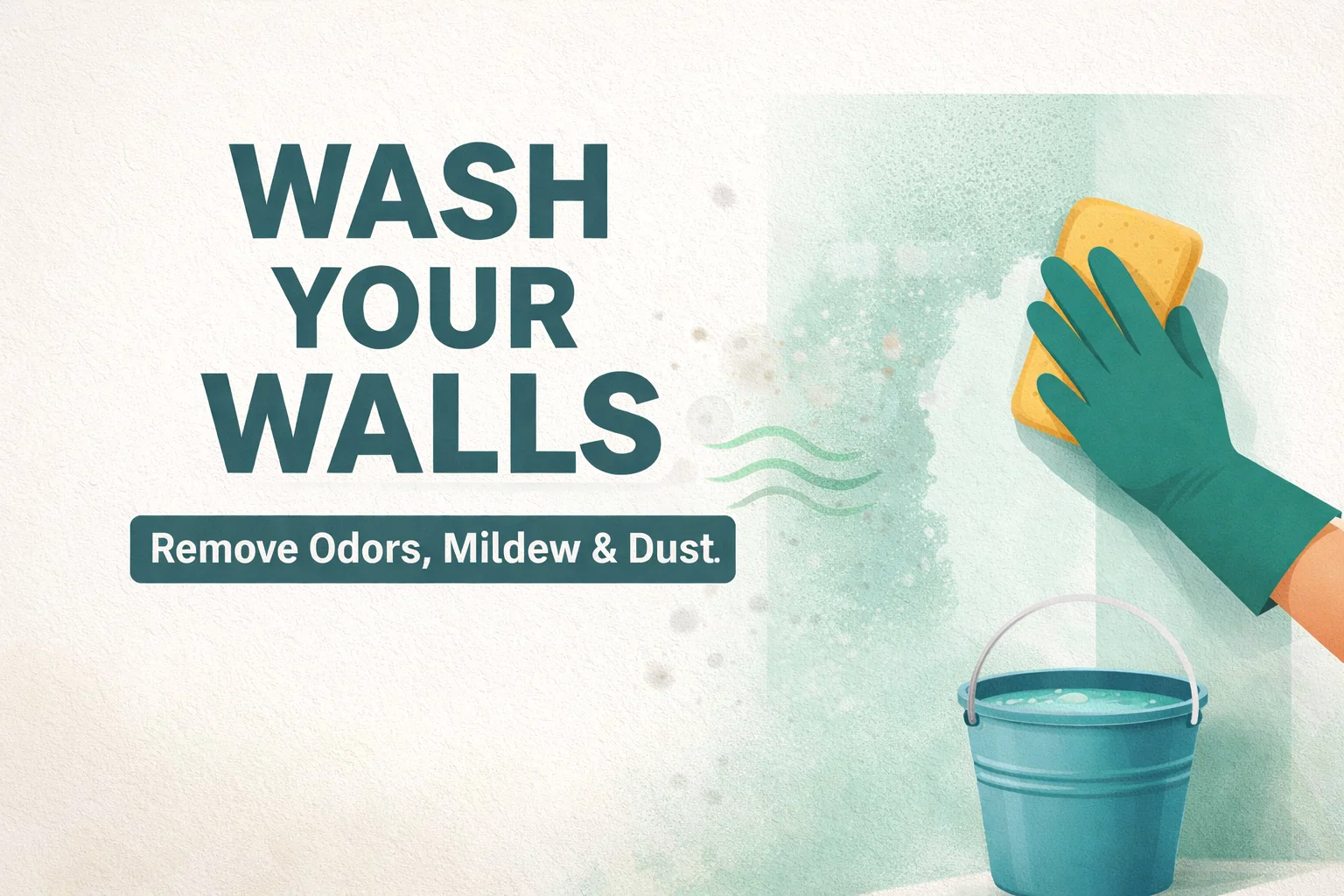
How to Wash Walls to Remove Smells, Mildew and Dust Natural Deep Cleaning Home Reset Routine
Have you ever walked into a room after it has been closed up for a few days and noticed a faint, musty, or stale odor lingering in the air? You might have lit a candle, sprayed some air freshener, or even deep cleaned the carpets, yet that mysterious scent remains. Most of us focus our cleaning efforts on the horizontal surfaces we touch every day, like countertops, floors, and tables. However, we often overlook the largest surface area in our homes: the walls. Over time, paint and wallpaper can actually absorb smells from cooking, pets, smoke, and general humidity. If you want a home that truly smells fresh from the inside out, it is time to talk about the transformative power of washing your walls.
Why Your Walls Are Holding Onto Odors
Walls are not just static boundaries for our rooms; they are active collectors of environmental particles. Whether your walls are finished with matte paint, eggshell, or modern wallpaper, they possess microscopic textures that trap dust, pet dander, and kitchen grease. When you cook a meal with strong spices or oils, those particles become airborne and eventually settle on the vertical surfaces of your home. Over several months, this creates a thin, invisible film that holds onto scents long after the meal is over.
Beyond simple odors, walls can also be a breeding ground for mildew, especially in high humidity areas like bathrooms, kitchens, or laundry rooms. Mildew thrives in the quiet corners and behind furniture where airflow is restricted. By the time you actually see dark spots, the spores have likely been present for a while, contributing to a stale atmosphere. A consistent wall cleaning routine does more than just make the room look brighter; it physically removes these pollutants and allergens, significantly improving the indoor air quality for everyone in the household.
The Magic of Natural Cleaning Solutions
When it is time to tackle a deep cleaning project like this, you do not need to reach for harsh industrial cleaners or bleach-based sprays. In fact, many professional cleaners prefer a gentle, natural approach to protect the integrity of your paint and the health of your family. The combination of white vinegar and lemon essential oil is a powerhouse for this specific task. White vinegar is a natural acetic acid that works to break down grease and neutralize alkaline odors rather than just masking them. It is also an effective, mild antifungal agent that helps keep mildew at bay.
Adding lemon essential oil to the mix provides a dual benefit. First, it offers a bright, uplifting scent that cuts through the sharp smell of the vinegar. Second, lemon oil has natural solvent properties that help lift sticky residue or fingerprints from the wall surface. This DIY solution is cost effective, environmentally friendly, and safe to use in homes with children or pets, making it the perfect choice for a total home reset.
Step By Step Guide to Washing Your Walls
Before you dive in with a bucket and sponge, it is important to prepare the space to ensure the process is efficient and safe for your surfaces. Start by dusting the walls from top to bottom. You can use a microfiber cloth, a soft duster, or even a vacuum cleaner with a brush attachment. Removing the loose dust first prevents you from simply smearing mud across the paint once you introduce moisture.
Mixing Your Cleaning Tonic
To create the perfect wall washing solution, find a large bucket and fill it with hot water. The heat helps to loosen grime more effectively than cold water. Add two cups of white distilled vinegar to the bucket. Finally, add about five to ten drops of lemon essential oil. Give it a gentle stir to distribute the oil. You want the water to be soapy if there is significant grease, but for a standard refresh, the vinegar and oil alone are usually sufficient.
The Wipe Down Process
Use a soft sponge or a microfiber cloth for the actual washing. It is crucial to wring out the sponge thoroughly so that it is damp but not dripping wet. Excessive water can run down the wall and create streaks or even damage baseboards and electrical outlets. Start at the top of the wall and work your way down in circular motions. This prevents any drips from falling onto areas you have already cleaned. Pay special attention to high touch areas like light switches, door frames, and the space behind the sofa.
Drying and Airflow
One of the most important steps in wall washing is the drying phase. After you have wiped down a section, let it air dry. If your home is particularly humid, you can use a clean, dry microfiber cloth to buff the walls dry and prevent any water spotting. Open the windows to let fresh air circulate throughout the space. This not only speeds up the drying time but also helps the last of the vinegar scent dissipate, leaving behind only the crisp, clean aroma of lemon.
Benefits of a Clean Wall Routine
While washing the walls might seem like a daunting task reserved for spring cleaning, incorporating it into your seasonal home maintenance has several long term benefits. First and foremost is the preservation of your paint job. Dust and grime are abrasive; when left to sit on the paint, they can eventually cause the finish to degrade or look dull. Regular cleaning keeps the color vibrant and can actually extend the time between needing a fresh coat of paint.
- Improved Air Quality: Removing dust and allergens from large surfaces reduces the particles circulating in your HVAC system.
- Pest Prevention: Spiders and insects are attracted to dusty, undisturbed corners. A clean wall is less inviting for cobwebs.
- Allergen Reduction: For those with sensitivities to mold or dust mites, washing walls can provide significant relief.
- Mood Boost: There is a psychological benefit to being in a space that is truly deep cleaned. The brightness of the walls and the fresh scent can lower stress and improve focus.
Common Mistakes to Avoid
To get the best results, there are a few things you should avoid during the process. Never use abrasive scrubbing pads or steel wool, as these will scratch the paint and leave permanent marks. If you have a particularly stubborn stain, try a magic eraser or a paste of baking soda and water, but always test it in an inconspicuous spot first. Furthermore, avoid using too much essential oil. While it smells great, too much oil can leave a greasy residue on some types of paint finishes.
Checking Your Paint Finish
Before you wash an entire room, it is wise to check what kind of paint you have. Glossy and semi gloss paints, common in kitchens and bathrooms, are very durable and stand up well to washing. Eggshell and satin finishes are also relatively easy to clean. However, flat or matte paints are more porous and can sometimes absorb water or show rub marks. For matte walls, be extra gentle and use as little moisture as possible to avoid changing the texture of the paint.
Maintaining a Fresh Home Environment
Once your walls are sparkling and the air feels light, you can maintain that freshness with a few simple habits. Try to use an exhaust fan every time you cook or shower to pull moisture and grease out of the air before they have a chance to settle on the walls. Regularly dusting your walls with a dry microfiber mop can also prevent the buildup of that “sticky” layer that eventually holds onto odors. If you notice a spill or a mark, spot clean it immediately rather than waiting for your next deep clean.
Customizing Your Scent
While lemon is a classic choice for cleaning because of its degreasing properties, you can experiment with other essential oils to suit your preference. Eucalyptus or tea tree oil are excellent additions if you are particularly concerned about mildew, as they have strong antimicrobial properties. If you want a more relaxing atmosphere in a bedroom, a few drops of lavender mixed with the vinegar will create a soothing environment that lingers gently on the surfaces.
Conclusion
Washing your walls is one of those household tasks that yields immediate and satisfying results. It is a true “home reset” that clears the slate, removing the invisible layers of daily life that accumulate over time. By using a simple, natural solution of water, white vinegar, and lemon essential oil, you are not only cleaning your home but also protecting the health of your environment. The next time your home feels a bit heavy or stale, look past the clutter and the floors, and give your walls the attention they deserve. You will be amazed at how much brighter, fresher, and more inviting your living space becomes after a thorough wipe down. Grab a bucket, put on your favorite music, and enjoy the process of bringing new life into your home.