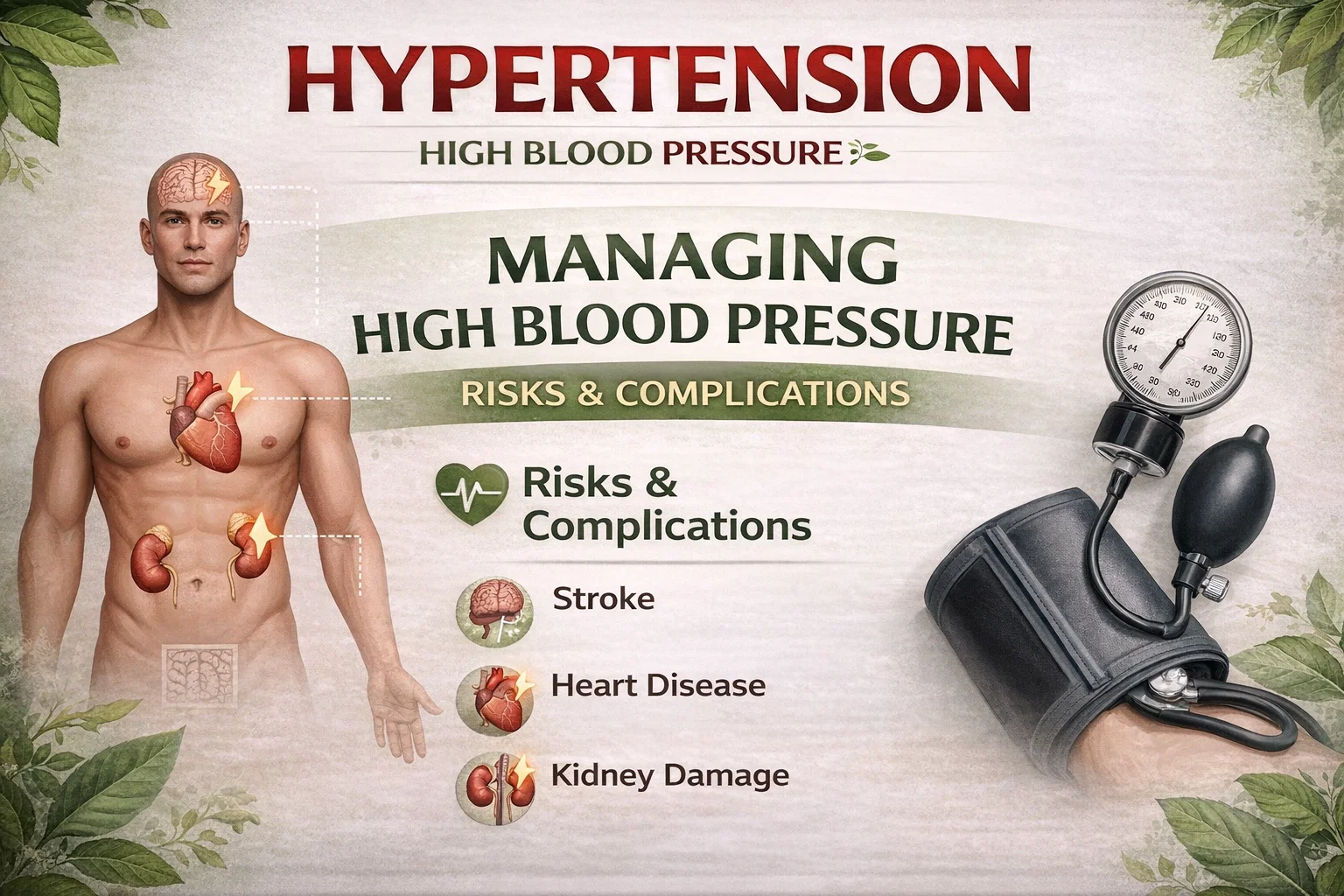
Hypertension Guide Causes, Symptoms, Risk Factors Blood Pressure Chart Summary
Understanding your blood pressure is one of the most vital steps you can take toward a long and healthy life. Often called the silent killer, hypertension frequently arrives without a single outward symptom, working quietly behind the scenes to affect your internal organs. This comprehensive guide is designed to pull back the curtain on high blood pressure, offering you a clear roadmap to understanding what those numbers mean, how they affect your body, and what you can do to maintain a healthy cardiovascular system. Whether you are a student of medicine or simply someone invested in personal wellness, mastering this topic is essential for long term health.
What Exactly is Hypertension?
At its core, hypertension is the medical term for high blood pressure. This occurs when the force of the blood against your artery walls is consistently too high. Over time, this extra pressure causes damage to the blood vessels and increases the workload on the heart. The image we are analyzing today from AyuMedVeda provides a stellar visual breakdown of how this condition is classified and why it matters so much for our daily lives.
When we talk about blood pressure, we look at two specific numbers: systolic and diastolic. The systolic pressure represents the force when the heart beats (the squeezed phase), while the diastolic pressure represents the force when the heart rests between beats (the decompress phase). Keeping these two numbers within a specific range is the goal of every heart healthy lifestyle.
Decoding the Blood Pressure Chart
To manage your health, you first need to know where you stand. Medical professionals categorize blood pressure into several stages based on the severity of the pressure levels:
- Normal: This is the gold standard, with systolic levels under 120 mmHg and diastolic levels under 80 mmHg.
- Pre-HTN (Elevated): This serves as a yellow light or a warning sign. Numbers range from 120 to 139 systolic and 80 to 89 diastolic. This is the perfect time to implement lifestyle changes.
- Stage 1 Hypertension: At this level, doctors may begin to discuss medication depending on your overall risk. Numbers sit between 140 to 159 systolic and 90 to 99 diastolic.
- Stage 2 Hypertension: This is a more serious level where the systolic is 160 or higher and the diastolic is 100 or higher.
- Hypertension Crisis: This is a medical emergency. If your numbers reach 180 systolic or 120 diastolic, immediate medical attention is required.
The Impact of High Blood Pressure on the Body
Why do doctors worry so much about these numbers? It is because hypertension acts like a slow moving storm that affects multiple vital organs. When the pressure is too high for too long, the body begins to suffer in specific, often irreversible ways. Understanding these “target organs” helps highlight the urgency of maintaining healthy levels.
The Brain and Hemorrhagic Stroke
The brain relies on a delicate network of blood vessels to function. When these vessels are subjected to high pressure, they can become weak and narrow. Eventually, this can lead to a rupture of the vessels, resulting in a hemorrhagic stroke. This is a life altering event that can impact motor skills, speech, and cognitive function. Managing blood pressure is essentially a form of brain protection.
Vision and Eye Health
Many people do not realize that their eyes are a window into their vascular health. Hypertension can damage the tiny, sensitive blood vessels in the retina. This can lead to blurred vision or an inability to focus on objects. In severe cases, it can cause permanent vision loss. If you notice sudden changes in your sight, it might be your body’s way of signaling a blood pressure issue.
The Heart and Congestive Heart Failure
The heart is a muscle, and like any muscle, it changes when it has to work harder. To push blood against high pressure, the heart muscle thickens and the chambers enlarge. Over time, this leads to Congestive Heart Failure (CHF), where the heart becomes too weak or stiff to pump blood efficiently. Keeping your pressure low allows your heart to beat with ease rather than under constant strain.
Kidney Function and Renal Failure
The kidneys act as the body’s filtration system. They require healthy blood vessels to filter waste from the blood. High pressure forces blood through these filters at a rate that is too fast, damaging the delicate structures. This can eventually lead to renal failure, requiring dialysis or a transplant. Protecting your kidneys starts with protecting your blood pressure.
Risk Factors: Why Does Hypertension Happen?
Hypertension is generally categorized into two types: Primary and Secondary. Understanding which category you fall into can help tailor your treatment plan. Primary hypertension, also known as essential or idiopathic hypertension, is the most common form. It tends to develop gradually over many years and has no single identifiable cause. It is not exactly curable, but it is highly controllable through lifestyle and medicine.
Common Risk Factors to Watch For
Several factors contribute to the development of high blood pressure. Some we can control, while others are part of our biology:
- Age and Genetics: As we get older, our risk increases. Family history also plays a significant role.
- Race: Statistics show that certain demographics, such as individuals of African descent, may have a higher predisposition to hypertension.
- Dietary Habits: High salt intake is a major contributor, as sodium causes the body to retain fluid, increasing pressure.
- Lifestyle Choices: Smoking and high stress levels put immediate and long term stress on the vascular system.
- Potassium Deficiency: Potassium helps balance the amount of sodium in your cells. Without enough of it, sodium builds up in your blood.
Secondary Hypertension Causes
Secondary hypertension is different because it has a direct, identifiable cause. It often appears suddenly and causes higher blood pressure than primary hypertension. Common causes include chronic kidney disease, diabetes, thyroid issues, Cushing’s disease, or even the use of certain medications like oral contraceptives.
The Art of Checking Blood Pressure Correctly
Getting an accurate reading is just as important as the numbers themselves. Many people experience “white coat syndrome” where their pressure spikes at the doctor’s office. Learning to check it properly at home can provide a more accurate picture of your daily health. The infographic highlights several key steps for a correct reading.
First, ensure the patient has not smoked or exercised within 30 minutes of the check. They should sit in a chair with their legs uncrossed and their arm kept at heart level. Using the correct cuff size is non negotiable. A cuff that is too small will give a falsely high reading, while one that is too large will give a reading that is too low. Precision is the key to proper diagnosis.
Modern Approaches to Treatment
If lifestyle changes are not enough, healthcare providers turn to various classes of antihypertensive medications. These are often identified by their “suffixes” or the endings of their names, which is a great tip for students and patients alike.
Common Medication Categories
- ACE Inhibitors: Often ending in “pril” (like Lisinopril), these help relax blood vessels.
- Beta Blockers: Usually ending in “olol” (like Atenolol), these reduce the heart rate and the heart’s workload.
- Calcium Channel Blockers: These often end in “dipine” and prevent calcium from entering the cells of the heart and arteries.
- Diuretics: Ending in “ide” (like Furosemide), these help the body rid itself of excess sodium and water.
Patient Education: Taking Control of Your Health
The most powerful tool in the fight against hypertension is education. You are the primary manager of your own health. By making small, intentional choices every day, you can significantly lower your risk of complications. The goal is not just to live longer, but to live better with more energy and vitality.
Start by limiting your sodium intake and being mindful of hidden salts in processed foods. Reduce alcohol consumption and find a regular exercise program that you actually enjoy. Managing stress through mindfulness, hobbies, or rest is also a critical component that is often overlooked. Finally, maintaining a healthy weight ensures that your heart does not have to work harder than necessary to support your body.
Conclusion
Hypertension may be a silent condition, but it does not have to be a mystery. By understanding the classification of your numbers, recognizing the risk factors, and knowing how it affects your vital organs, you are already ahead of the curve. Remember that while some factors like genetics are out of your hands, your daily habits and your commitment to monitoring your health are entirely within your control. Take the time to speak with a healthcare professional, stay consistent with your checkups, and treat your cardiovascular health as the precious resource it is. Your heart, brain, and kidneys will thank you for years to come.