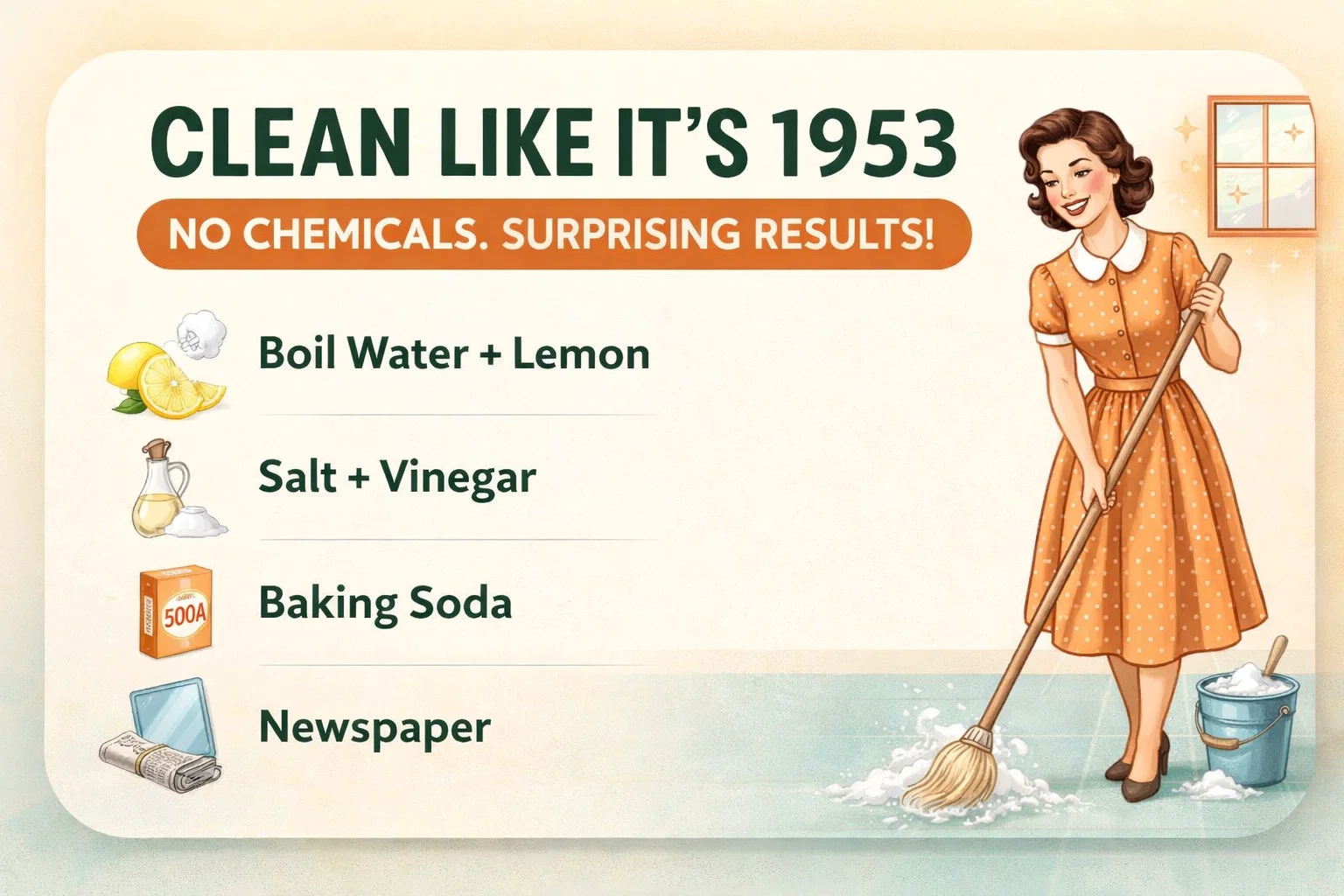
I Cleaned Like Its 1953 5 Genius Vintage Cleaning Hacks
Have you ever looked at vintage magazines or television shows and wondered how homes back then looked so impeccably spotless? Long before the aisles of our modern grocery stores were overflowing with brightly colored plastic bottles, chemical sprays, and disposable wipes, our grandmothers kept their homes gleaming. They did not need a specialized cleaner for every single surface in the house. Instead, they relied on a handful of simple pantry staples, a little bit of time, and some good old elbow grease. Taking a step back into the past and cleaning like it is 1953 might just be the secret to achieving unreal results in your modern home today.
We live in an era of convenience. We are constantly sold the idea that we need strong chemicals to achieve a truly clean environment. However, many of these modern conveniences come with hidden costs. They can introduce harsh toxins into our indoor air, create unnecessary plastic waste, and cost a small fortune over time. Vintage cleaning methods flip this narrative completely. By embracing a minimalist approach to housekeeping, you can achieve a deeper clean, save money, and protect your family from unnecessary chemical exposure. Let us explore the brilliant, old school cleaning hacks that prove grandma truly knew best.
The Magic of Boiling Water and Lemon for Air Freshening
Modern air fresheners often rely on synthetic fragrances and phthalates to mask odors. These sprays simply coat the air and fall onto your surfaces, leaving behind a sticky residue. In the 1950s, women knew that the best way to freshen a home was to neutralize odors at the source using the power of nature. One of the most effective and nostalgic tricks is using boiling water and fresh lemons.
Citrus fruits contain natural oils that are incredibly potent. When you introduce lemon slices to boiling water, the steam carries these bright, purifying essential oils throughout your kitchen and into the rest of your home. The steam acts as a natural vehicle, lifting the scent and cutting through lingering smells from cooking, pets, or musty air.
How to Create Your Vintage Simmer Pot
- Slice your citrus: Take one or two fresh lemons and slice them thinly to expose as much surface area as possible.
- Prepare the water: Fill a medium sized saucepan about halfway with water and bring it to a rolling boil on your stove.
- Simmer and enjoy: Drop the lemon slices into the boiling water, then reduce the heat to a low simmer. Allow it to gently bubble for an hour or two.
You can even customize this vintage trick by adding a sprig of fresh rosemary, a few cloves, or a cinnamon stick. Within minutes, your kitchen odors will clear, replaced by a vibrant, clean scent that feels completely natural and uplifting.
Achieving Unbeatable Sink Shine with Salt and Vinegar
Your kitchen sink sees a lot of action. From greasy pans to coffee grounds, it can quickly become dull, stained, and covered in a stubborn film. Today, we might reach for a heavy duty scouring powder packed with bleach. But in 1953, the ultimate solution was already sitting in the pantry. The combination of salt and white vinegar works like an absolute charm on metal surfaces.
This dynamic duo relies on basic chemistry. White vinegar is mildly acidic, making it perfect for breaking down hard water stains, mineral deposits, and sticky grease. Salt acts as a gentle yet highly effective abrasive. When combined, they form a scrubbing paste that cuts through the toughest grime without scratching your delicate stainless steel or porcelain.
Steps for a Sparkling Sink
- Sprinkle the salt: Start with a damp sink. Generously sprinkle regular table salt or coarse sea salt all over the bottom and sides of the basin.
- Add the vinegar: Pour white vinegar directly onto a sponge or a cleaning rag.
- Scrub the metal: Work the vinegar soaked sponge over the salt in circular motions. You will feel the salt scrubbing away the dirt while the vinegar breaks down the grime.
- Rinse and reveal: Rinse the entire sink with warm water. You will be amazed at the brilliant, streak free shine left behind.
This method requires absolutely no toxic chemicals, making it incredibly safe for areas where you prepare your food.
The Power of Baking Soda on a Damp Cloth
If there was one holy grail cleaning product in the 1950s, it was baking soda. Sodium bicarbonate is a natural, mild alkali that works wonders on dirt and grease. It also acts as a natural deodorizer. While modern marketing tries to sell us a different cleaner for the stove, the bathroom tiles, and the countertops, a simple box of baking soda can conquer them all.
Using baking soda on a damp cloth is the quintessential vintage cleaning technique. The moisture from the cloth turns the baking soda into a thick, spreadable paste. This paste is abrasive enough to lift baked on food from your stovetop but gentle enough to use on grout lines and bathroom tiles without causing damage.
Mastering the Baking Soda Scrub
To clean your stovetop the 1950s way, simply wet a microfiber cloth or an old cotton rag and ring out the excess water. Dip the damp cloth directly into a bowl of baking soda so that a generous amount sticks to the fabric. Apply this directly to grease splatters and burnt on spills. Let it sit for a few minutes if the mess is particularly stubborn. Then, apply a little pressure and wipe the mess away. The baking soda naturally breaks down the acidic grease, making it incredibly easy to lift away. Finish by wiping the area with a clean, damp cloth to remove any leftover white residue.
This trick is equally effective in the bathroom. Use it to scrub away soap scum from tiles and bathtubs. It is a completely safe, fragrance free method that leaves your home feeling deeply, fundamentally clean.
Newspaper on Glass for a Smudge Free Finish
Cleaning windows and mirrors can be incredibly frustrating. You spray, you wipe, and the moment the sun hits the glass, you see a network of streaks and lint left behind by your paper towels. The vintage solution to this modern annoyance is surprisingly simple. Swap out those expensive paper towels for yesterday’s newspaper.
This old school trick beats paper towels every single time. The reason comes down to the material. Paper towels are treated with sizing agents and softeners to make them absorbent and fluffy. Unfortunately, these exact treatments are what leave lint and streaks on your glass. Newspaper, on the other hand, is made from dense fibers and does not contain these additives. Furthermore, the petroleum based ink used in older printing methods actually acted as a mild polish for the glass. While modern inks are soy based, the dense, lint free nature of the paper still provides a superior clean.
How to Wash Windows Like a Pro
- Choose your cleaner: You can use a simple mixture of equal parts water and white vinegar in a spray bottle.
- Prepare your newspaper: Crumple a sheet of black and white newspaper into a ball. Avoid the glossy inserts or colored comic pages, as these do not absorb liquid well.
- Wipe it down: Spray your glass surface lightly, then rub vigorously with the crumpled newspaper in circular motions. Switch to vertical and horizontal strokes to finish.
The result is a crystal clear, smudge free shine that makes your windows look virtually invisible.
Soapy Water and a Brush on Floor Edges
Modern mops are fantastic for quickly gliding over the center of the room. However, they have a major flaw. They simply push dirt, dust, and dirty water right into the edges and corners of your floors. Over time, this creates a dark, grimy buildup along your baseboards that a standard mop will never be able to remove. To achieve the immaculate standards of a 1950s homemaker, you have to get down on your hands and knees.
The most transformative cleaning hack on this list is perhaps the most labor intensive. Using warm soapy water and a stiff bristled scrub brush on the edges of your floors reaches the grime that modern tools completely miss. It is all about the details. When the perimeter of a room is bright and clean, the entire space feels instantly brighter and more welcoming.
Tackling the Perimeter
Fill a small bucket with warm water and a few drops of mild dish soap or castile soap. Grab a handheld scrub brush. Get down to eye level with your baseboards and dip your brush into the soapy water. Vigorously scrub the seam where the floor meets the baseboard. You will likely be shocked by the color of the water that pulls away. Keep a clean, dry rag handy to wipe up the dirty suds as you go. This targeted scrubbing removes layers of built up wax, pet hair, and deeply embedded dirt. While it takes a bit of extra time and physical effort, the visual impact on your home is truly unreal.
The Forgotten Ingredient of Elbow Grease
The common thread running through all of these vintage cleaning hacks is the concept of elbow grease. In 1953, cleaning was recognized as a physical task. There was no magic spray that you could just spritz and walk away from. The results came from the physical friction of scrubbing, the heat of boiling water, and the diligent attention to detail.
Incorporating elbow grease into your cleaning routine changes your relationship with your home. It stops being a passive chore and becomes an active process of caring for your space. When you physically scrub a surface clean using simple, natural ingredients, you develop a greater appreciation for your environment. The satisfaction of seeing a sparkling sink or streak free windows is amplified because you know you achieved it through your own effort.
Conclusion: Bringing Grandma’s Wisdom into the Modern Age
Looking back to the cleaning methods of the 1950s provides us with incredibly valuable lessons for today. It teaches us that a sparkling, fresh smelling home does not require an arsenal of toxic chemicals or expensive, single use products. By relying on simple ingredients like lemon, vinegar, salt, baking soda, and newspaper, we can achieve deeper, more satisfying results.
These vintage housekeeping secrets are better for our wallets, better for our health, and better for the environment. The next time you are faced with a stubborn stain, a lingering odor, or a grimy floor, resist the urge to buy a new specialized cleaner. Instead, channel your inner 1950s homemaker. Grab a scrub brush, mix up some vinegar and salt, and apply a little bit of elbow grease. You will quickly discover that the old school tricks really are the best tricks, and the results are nothing short of unreal.