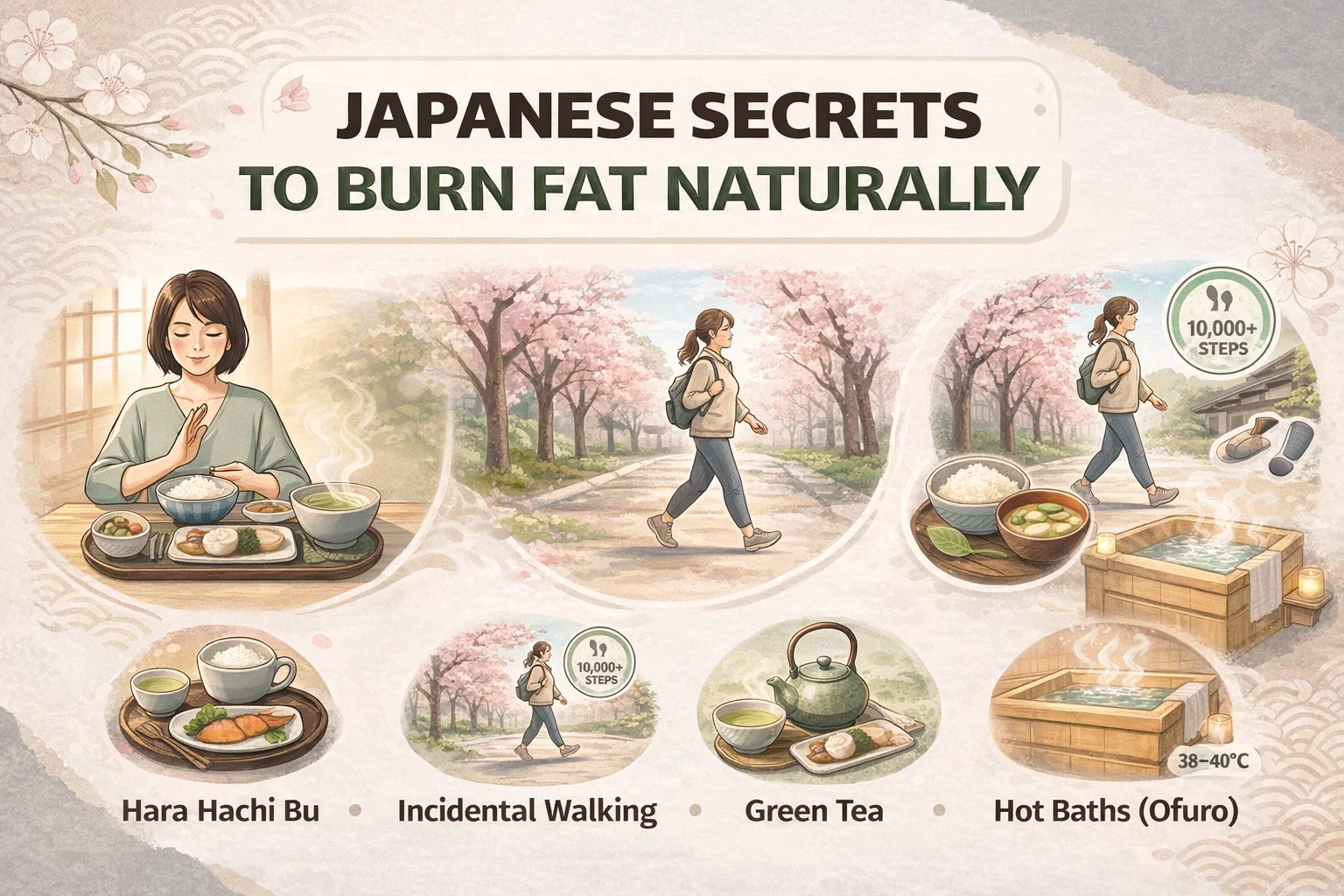
Japanese Secrets to Burn Fat Naturally Hara Hachi Bu Holistic Wellness Habits
Embracing a healthier lifestyle often feels like an uphill battle filled with restrictive diets and grueling gym sessions. however, some of the most effective wellness secrets come from a culture known for its longevity and naturally lean physiques. The Japanese approach to health is not about temporary fixes or intense deprivation. instead, it focuses on sustainable, holistic habits that integrate seamlessly into daily life. By shifting the focus from counting every calorie to honoring the body through mindful practices, you can activate your metabolism and support natural fat loss without the stress. Let’s dive deep into these time-honored Japanese secrets that can transform your well-being from the inside out.
The Power of Hara Hachi Bu: Eating for Longevity
One of the most profound concepts in Japanese nutritional wisdom is Hara Hachi Bu. Originating from the teachings of Confucius and popularized in Okinawa, this practice instructs individuals to stop eating when they are approximately 80 percent full. In a world where super-sized portions are the norm, this simple rule acts as a natural barrier against overeating.
How to Practice the 80 Percent Rule
To master Hara Hachi Bu, you must learn to listen to your body’s subtle hunger and fullness cues. It takes about twenty minutes for your brain to receive the signal from your stomach that you are satisfied. By pausing before you feel completely stuffed, you allow your digestive system to process nutrients more efficiently. This prevents the sluggishness often associated with heavy meals and keeps your energy levels stable throughout the day.
The Ritual of Mindful and Slow Eating
In Japan, mealtime is considered a dedicated activity rather than something to be rushed through while multitasking. Slow, mindful eating is a cornerstone of weight management because it regulates the hormones responsible for hunger and satiety. When you chew your food thoroughly and eliminate distractions like phones or television, you become more aware of the textures and flavors of your meal.
Regulating Hunger Hormones naturally
Eating quickly often leads to consuming more calories than the body actually requires. By slowing down, you give your endocrine system the time it needs to release leptin, the hormone that tells your brain you have had enough. This mindful approach reduces the likelihood of emotional eating and helps you develop a more intuitive relationship with food.
Warm Water and Morning Metabolism
The way you start your morning sets the tone for your entire digestive process. A common Japanese habit is drinking one to two cups of warm water immediately upon waking. This simple ritual helps to “wake up” the internal organs and stimulate the digestive tract after a night of rest. While ice-cold water can sometimes shock the system, warm water is gentle and encourages healthy blood flow to the gut.
The Beauty of Small Portions and Many Dishes
A traditional Japanese meal, often referred to as Ichiju-Sansai, typically consists of a bowl of rice, a soup, and several small side dishes. This style of serving provides a visual feast that tricks the brain into feeling satisfied with less food. When you have a variety of colors and flavors on your tray, you are more likely to feel nutritionally fulfilled.
Improving Satiety through Variety
Instead of one massive plate of a single food item, having tiny servings of fish, seaweed, pickles, and vegetables ensures a wide spectrum of vitamins and minerals. This variety keeps the palate engaged and prevents the boredom that often leads to reaching for unhealthy snacks later in the day. It is a brilliant way to maintain calorie control without ever feeling like you are on a restricted diet.
Incorporating Fermented Foods for Gut Health
The health of your gut microbiome is directly linked to your ability to maintain a healthy weight. Japanese cuisine is rich in fermented foods such as miso, natto, and various Tsukemono or pickles. These foods are packed with natural probiotics that support a diverse and thriving community of gut bacteria.
The Link Between Probiotics and Weight Control
Research has shown that an imbalanced gut can lead to inflammation and increased fat storage. By regularly consuming fermented soy and vegetables, you improve your digestion and strengthen your immune system. Miso soup, for example, is a staple that provides a savory depth to meals while delivering beneficial enzymes that aid in fat metabolism.
Green Tea: The Ultimate Natural Fat Burner
Green tea is much more than just a refreshing beverage; it is a metabolic powerhouse. Rich in antioxidants known as catechins, particularly EGCG, green tea has been shown to boost fat oxidation and specifically target visceral belly fat. Consuming two to three cups a day provides a steady stream of these beneficial compounds.
Hydration and Antioxidant Support
Unlike sugary energy drinks or heavy coffees, green tea provides a gentle caffeine lift combined with L-theanine, an amino acid that promotes relaxation without drowsiness. This combination helps to reduce stress-induced eating while keeping the metabolic rate slightly elevated throughout the afternoon.
Incidental Movement: Walking as a Way of Life
You do not always need a high-intensity gym membership to stay lean. In many Japanese cities, walking is the primary mode of transportation. This incidental movement, often reaching over 10,000 steps a day, keeps the metabolism active without the inflammatory stress of extreme workouts. Whether it is walking to the train station or taking the stairs, these small bursts of activity add up significantly over a week.
The Importance of Early and Light Dinners
Timing is just as important as the quality of the food. Finishing your last meal of the day at least two to three hours before heading to bed is a common practice that significantly improves insulin sensitivity. When you eat late at night, your body is forced to focus on digestion rather than the restorative processes that should occur during sleep.
Optimizing Insulin Sensitivity
By giving your body a longer fasting window overnight, you allow your blood sugar levels to stabilize. This prevents the spikes in insulin that trigger fat storage. A light dinner centered around protein and vegetables ensures you wake up feeling refreshed and ready for your morning warm water ritual.
The Balanced Japanese Plate
The core of a fat-burning diet in Japan is the balance between high-quality carbohydrates, lean proteins, and nutrient-dense sea vegetables. A meal built around a modest portion of rice, grilled fish or tofu, and plenty of seasonal greens provides a perfect ratio of macronutrients.
Nutrients from the Sea
Seaweed is a staple that is often overlooked in Western diets. It is incredibly low in calories but high in iodine, which is essential for healthy thyroid function. Since the thyroid regulates your metabolism, incorporating seaweed into your soups and salads is a secret weapon for maintaining a healthy weight naturally.
The Wellness Benefits of Ofuro (Hot Baths)
Self-care is a vital component of weight loss that many people ignore. The Japanese tradition of Ofuro, or soaking in a hot bath, is practiced daily. Soaking in water between 38 and 40 degrees Celsius does more than just relax the muscles; it actually helps to lower cortisol levels.
Lowering Stress and Burning Calories
High levels of the stress hormone cortisol are a major contributor to stubborn weight gain, particularly in the abdominal area. By decompressing in a hot bath, you signal to your body that it is safe to move out of “fight or flight” mode. Additionally, the slight increase in body temperature can boost circulation and may even result in a modest increase in calorie burn, similar to a light walk.
Creating Your Own Sanctuary of Health
Transforming your life using these Japanese secrets is about creating a personal sanctuary where health happens naturally. It is about the environment you build for yourself, from the way you arrange your kitchen to the time you set aside for your evening bath. When your surroundings reflect your goals, staying on track becomes effortless.
Focus on adding these habits one by one rather than trying to change everything overnight. Start with the warm water in the morning, then try the 80 percent rule at lunch. Over time, these small shifts will compound into a lifestyle that supports a lean body and a peaceful mind.
Conclusion: A Path to Sustainable Vitality
The Japanese secrets to burning fat naturally are rooted in respect for the body and a deep understanding of balance. By adopting practices like Hara Hachi Bu, mindful eating, and regular movement, you are choosing a path of sustainable vitality rather than a fleeting trend. These habits do more than just help you lose weight; they improve your digestion, lower your stress, and enhance your overall quality of life. Embrace the simplicity of warm water, the nourishment of fermented foods, and the peace of a hot bath. Your journey toward a healthier, more vibrant self starts with these small, intentional choices every single day.