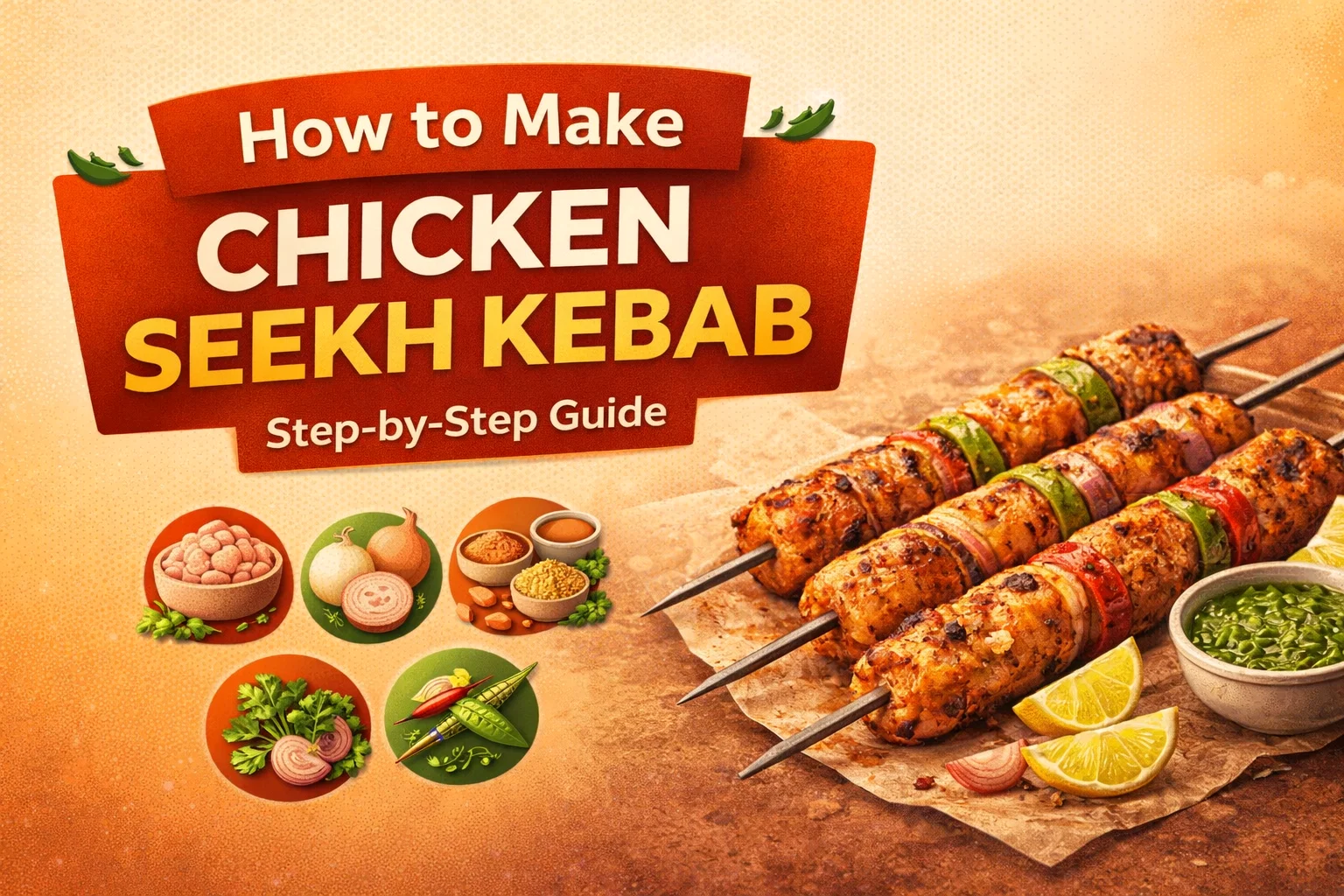
Juicy Chicken Seekh Kebab Recipe Easy Ramzan Special Iftar Idea Homemade Seekh Kabab Recipe
There is something undeniably magical about the aroma of spiced meat hitting a hot grill, especially when the sun begins to set during the holy month of Ramzan. Among the vast array of appetizers that grace the Iftar table, the Chicken Seekh Kebab holds a place of honor. It is the perfect blend of smoky, succulent, and spicy, offering a burst of protein that is both satisfying and light enough to keep you energized. If you have ever wondered how to achieve that authentic, restaurant style texture and flavor in your own kitchen, you are in the right place. This guide will walk you through every nuance of creating the ultimate chicken seekh kebab, ensuring your next gathering is a flavorful success.
The Essence of a Perfect Seekh Kebab
The term seekh refers to the skewers traditionally used to cook these kebabs, while kebab simply means grilled meat. Historically, these were the pride of Mughal kitchens, crafted with precision and a secret blend of spices. While traditionally made with minced lamb or beef, the chicken version has surged in popularity because it is leaner, cooks faster, and absorbs marinades beautifully. A perfect kebab should be charred and slightly crusty on the outside while remaining incredibly moist and tender on the inside. Achieving this balance requires more than just high heat; it requires the right ratio of fats, binders, and aromatics.
Mastering the Ingredients for Success
Before you even fire up the stove, the quality of your ingredients will dictate the final outcome. For the best results, use minced chicken that has a small amount of fat content. If you use strictly lean breast meat, the kebabs can become dry and crumbly. Many chefs prefer a mix of thigh and breast meat to ensure the juices stay locked in during the cooking process. Beyond the meat, the aromatics are your foundation. Fresh ginger garlic paste is non negotiable, as the bottled versions often lack the sharp, bright bite needed to cut through the richness of the spices.
The Role of Herbs and Spices
In this specific recipe, we lean heavily on a bouquet of fresh herbs. Cilantro (coriander) and mint are the dynamic duo here. Mint provides a cooling aftertaste that complements the heat of the green chilies, while cilantro adds an earthy, citrusy depth. When it comes to the dry spices, balance is key. You will need 1 teaspoon each of red chili powder, cumin powder, and coriander powder. A pinch of turmeric adds a golden hue, while a teaspoon of salt and a tablespoon of lemon juice bring the flavors into sharp focus. The secret ingredient, however, is the garam masala. This warm spice blend ties everything together, giving the kebab its signature South Asian soul.
Binding Agents and Texture
One of the biggest challenges home cooks face is the kebab falling off the skewer. This is where binders come in. Bread crumbs are an excellent choice as they soak up excess moisture from the onions and meat, acting as a glue. A single egg can also be added to the mixture to provide structure. If you find your mixture is too wet, adding a little extra roasted chickpea flour (besan) can provide a nutty flavor while firming up the consistency.
Step by Step Preparation Guide
Preparation is a two stage process: mixing and resting. Start by finely chopping your onions and squeezing out any excess liquid. This step is crucial because watery onions are the primary cause of soggy kebabs. In a large mixing bowl, combine the minced chicken with the onions, ginger garlic paste, chopped green chilies, and your finely minced herbs. Add in all the dry spices and your chosen binding agent.
The Importance of Chilling
Once your mixture is thoroughly combined, do not rush to the grill. Cover the bowl and refrigerate it for at least 20 to 30 minutes. This resting period allows the proteins in the meat to bind and the spices to penetrate deeply. More importantly, chilling the fat in the meat makes the mixture much easier to shape around skewers without it sliding off. If you are in a hurry, 15 minutes in the freezer can work in a pinch, but the refrigerator is preferred for even cooling.
Techniques for Shaping and Skewering
When you are ready to cook, divide the mixture into equal portions. If you are using wooden skewers, make sure to soak them in water for 30 minutes beforehand to prevent them from burning. Lightly grease your palms with oil or water to prevent sticking. Take a portion of the meat and form it into a ball, then gently press it onto the skewer. Slide your hand down the skewer to create a long, cylindrical shape. You can use your fingers to create small indentations along the length of the kebab, which not only looks professional but also creates more surface area for charring.
Cooking Without Skewers
Do not worry if you do not have skewers on hand. You can easily shape the mixture into long rolls or even small patties. These are often referred to as reshmi kebabs or gola kebabs depending on the shape. The flavor remains identical, and they are much easier to handle in a standard frying pan. Simply roll them into cylinders about 4 inches long and 1 inch thick, ensuring they are uniform so they cook at the same rate.
Choosing Your Cooking Method
The beauty of this recipe lies in its versatility. Depending on your kitchen setup and the time you have, you can choose from three primary cooking methods. Each offers a slightly different texture and flavor profile.
The Pan Fry Method
This is the most accessible method for home cooks. Heat a tablespoon of oil in a non stick skillet or a grill pan over a medium flame. Place the kebabs in the pan, being careful not to overcrowd them. Cook for about 8 to 10 minutes, turning them frequently to ensure they brown evenly on all sides. The goal is a deep golden brown color with some dark spots that mimic a grill.
The Oven Bake Method
For a more hands off approach, especially if you are cooking for a large crowd, the oven is your best friend. Prehead your oven to 200 degrees Celsius or 390 degrees Fahrenheit. Place the skewers on a wire rack over a baking tray to allow the heat to circulate around the meat. Bake for 15 to 20 minutes, turning them halfway through. You can finish them under the broiler for 2 minutes at the end to get that perfect charred look.
The Grill or Tandoor Method
If you want the most authentic flavor, nothing beats live charcoal. The smoke from the dripping fat hitting the coals infuses the meat with a flavor that cannot be replicated in an oven. Grill the kebabs over medium high heat, rotating them constantly. Keep a small bowl of melted butter or oil nearby and brush the kebabs frequently. This basting process keeps them moist and helps develop a beautiful glaze.
Serving Suggestions for a Complete Meal
A Chicken Seekh Kebab is rarely eaten alone. To truly enjoy the experience, you need the right accompaniments. The classic pairing is a vibrant mint and yogurt chutney. The tanginess of the yogurt and the freshness of the mint provide a perfect contrast to the spicy meat. Additionally, serve your kebabs on a bed of sliced red onions and fresh lemon wedges. A quick squeeze of lemon juice just before eating brightens all the spices.
- Naan or Paratha: Wrap the kebab in a warm, buttery garlic naan for a delicious kathi roll.
- Rice Pilaf: Serve alongside a fragrant vegetable biryani or a simple cumin rice.
- Fresh Salad: A kachumber salad made of diced cucumbers, tomatoes, and onions adds a refreshing crunch.
Health Benefits and Nutritional Value
Beyond being delicious, these kebabs are quite nutritious, especially when compared to deep fried Iftar snacks like samosas or pakoras. Because they are primarily protein based and can be cooked with minimal oil, they are an excellent choice for those mindful of their health. Chicken is a great source of lean protein, which is essential for muscle repair and keeping you full for longer periods. The addition of spices like turmeric and ginger provides anti inflammatory benefits, making this a wholesome addition to your diet.
A Great Option for Meal Prep
One of the best things about this recipe is how well it lends itself to meal prepping. You can prepare a large batch of the kebab mixture and keep it in the freezer for up to a month. Simply thaw it in the refrigerator overnight when you are ready to use it. Alternatively, you can half cook the kebabs, freeze them, and then finish them off in a pan or oven just before serving. This is a lifesaver during the busy days of Ramzan when time is at a premium.
Common Mistakes to Avoid
Even simple recipes have their pitfalls. To ensure your kebabs are the star of the show, keep these tips in mind. First, avoid over-processing the meat. If you grind the chicken into a paste, the texture will be rubbery rather than tender. Second, do not skip the chilling phase; it truly is the difference between a kebab that stays on the skewer and one that falls into the fire. Lastly, be careful not to overcook them. Chicken dries out very quickly once it passes its ideal internal temperature. As soon as the juices run clear and the outside is browned, take them off the heat.
Conclusion
Bringing the flavors of a traditional grill into your home is a rewarding experience that connects us to rich culinary traditions. This Chicken Seekh Kebab recipe is more than just a dish; it is a centerpiece for celebration and a testament to how simple ingredients can be transformed into something extraordinary. By focusing on fresh herbs, a balanced spice blend, and proper cooking techniques, you can create a meal that is both healthy and indulgent. Whether you are breaking your fast during Ramzan or hosting a summer backyard barbecue, these kebabs are sure to impress. So, gather your ingredients, fire up your grill, and get ready to enjoy one of the most beloved dishes in South Asian cuisine. Your journey to mastering the perfect kebab starts now!
Would you like me to generate a specific grocery list or a vegan alternative for this recipe?