Kawaii Pink Aesthetic Daily Planner Printable Digital Journal Habit Tracker Page
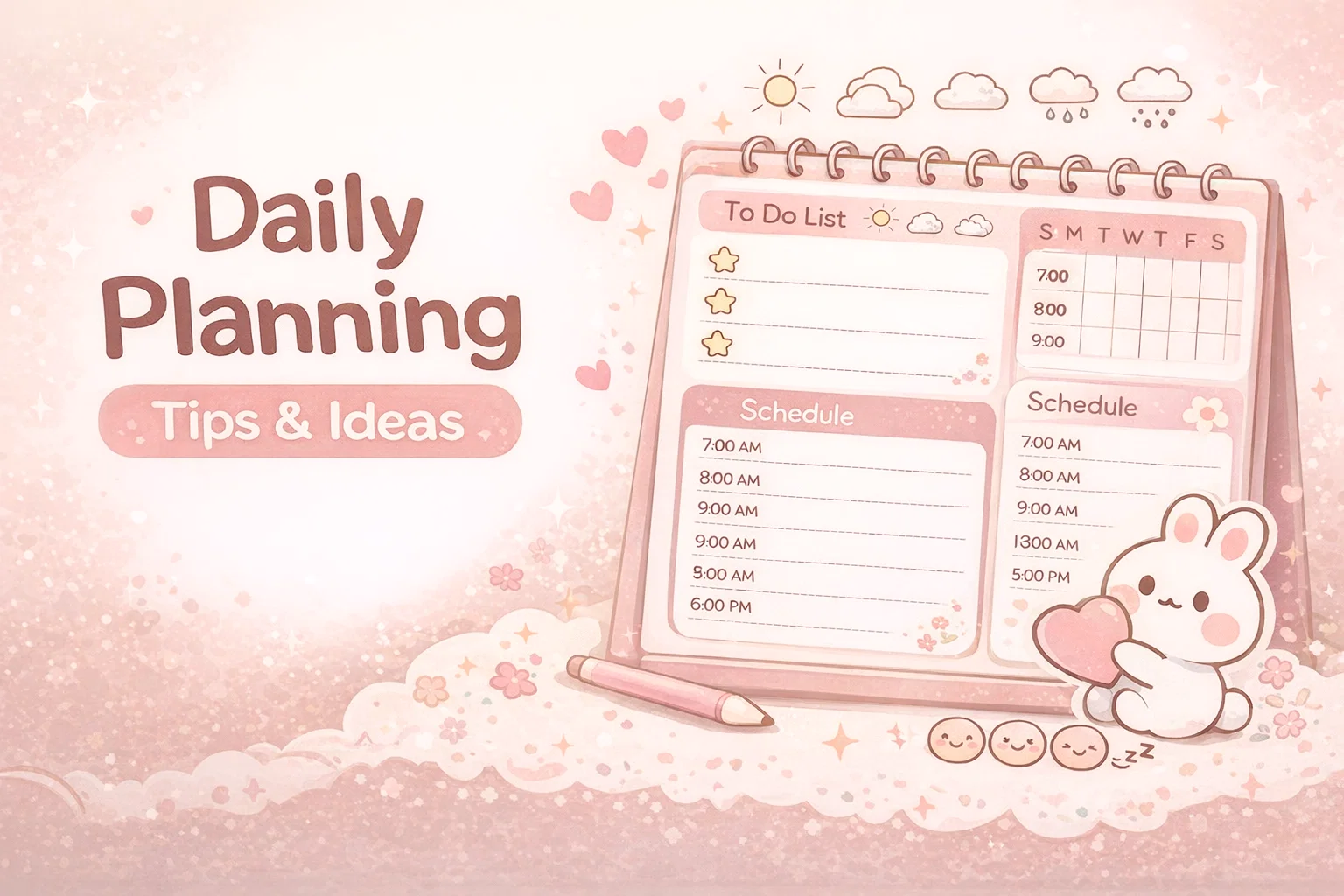
Transforming your daily routine from a chaotic scramble into a peaceful, productive flow is often as simple as finding the right tools. If you have been scrolling through social media lately, you have likely seen the rise of the aesthetic planning movement. It is more than just pretty colors and cute stickers; it is about creating a mental space where you actually want to spend time. The image of this daily planner, with its soft pink hues, strawberry accents, and adorable bunny illustrations, is the perfect example of how design can influence our motivation levels. When your to-do list looks this inviting, sitting down to organize your life feels less like a chore and more like a moment of self-care.
The Power of Aesthetic Planning for Mental Clarity
There is a psychological reason why aesthetic planners are so popular. When we use tools that we find visually appealing, our brain associates the task of planning with positive emotions. This is often referred to as romanticizing your life. By using a planner that features soft pastel colors and charming graphics, you are reducing the friction between your current state and the work you need to accomplish. Instead of a sterile, intimidating spreadsheet, you are greeted by a friendly layout that encourages you to breathe and take things one step at a time.
The layout shown in the image is specifically designed to cater to both the logical and the emotional sides of our brains. On one hand, you have the structured hourly schedule and the clear to-do list. On the other, you have a mood tracker and a notes section adorned with flowers and stars. This balance is crucial for avoiding burnout. When we focus only on the grind, we lose sight of our well-being. A holistic planner reminds us that our mood and our creativity are just as important as our deadlines.
Breaking Down the Essential Elements of a Daily Planner
To make the most of a daily organizer, it helps to understand why certain sections are included. A well-rounded page like this one acts as a roadmap for your entire day. Let us look at the core components that make this specific design so effective for productivity.
- The Weather and Date Section: Starting your day by noting the date and the weather might seem small, but it grounds you in the present moment. It helps you plan your outfit, your commute, or even your mood.
- The To-Do List with Star Checkboxes: There is nothing quite as satisfying as checking off a task. Using stars instead of plain boxes adds a touch of whimsy that makes reaching your goals feel like winning a small prize.
- Top Priorities: This is the most critical part of any planning system. By narrowing your focus to three main items, symbolized here by sweet strawberries, you ensure that the most important work gets done first.
- The Hourly Schedule: Spanning from 7:00 AM to 10:00 PM, this section allows for time blocking. Time blocking is a proven method to increase focus by assigning specific tasks to specific hours.
- Today’s Mood Tracker: Checking in with your emotions helps you build emotional intelligence. Are you feeling energetic, tired, or a bit grumpy? Acknowledging this can help you adjust your workload accordingly.
How to Use Time Blocking to Maximize Your Day
The schedule section in this planner is perfect for a technique called time blocking. Instead of a running list of things to do, you carve out specific chunks of time for specific activities. For example, you might block out 9:00 AM to 11:00 AM for deep work, such as writing or coding. Then, you might schedule a break at 12:00 PM for lunch and a quick walk. By seeing your day laid out visually, you can prevent the common mistake of over-committing yourself. It becomes much easier to see where your time is actually going and where you might be losing hours to mindless scrolling or distractions.
When you use an aesthetic planner for time blocking, you can even color-code your sections. Use a pink highlighter for personal tasks, a yellow one for work, and a green one for self-care. This makes the page even more vibrant and helps your brain quickly distinguish between different types of energy requirements throughout the day.
Prioritizing with the Rule of Three
Have you ever written a to-do list with twenty items and ended the day feeling like a failure because you only finished five? This is where the Top Priorities section becomes your best friend. The Rule of Three suggests that you should pick only three major tasks that must be completed by the end of the day. If you do nothing else but those three things, the day is considered a success. The strawberry icons in this design serve as a gentle reminder to keep your focus narrow and your impact high. Everything else on your general to-do list is just a bonus.
The Role of Kawaii Culture in Productivity
The term Kawaii comes from Japan and translates to cute or lovable. In recent years, the Kawaii aesthetic has taken the productivity world by storm. Why? Because life can be stressful and heavy. Incorporating characters like the little bunny holding a heart into your workspace provides a brief moment of levity. This aesthetic style encourages a kinder, more gentle approach to productivity. It moves away from the hustle culture mentality of do more, do faster and toward a mindset of do with joy.
When you use a planner that feels like a piece of art, you are more likely to keep it open on your desk. An open planner is a used planner. If your organization system is tucked away in a boring black notebook, you might forget to check it. But a bright, cheerful page acts as a visual cue, constantly reminding you of your goals and your schedule in a way that feels supportive rather than demanding.
Creative Ways to Fill the Notes Section
The notes area at the bottom left is a versatile space. Since it is framed by cute illustrations and a “Notes” header, it is the perfect spot for things that do not fit into a strict schedule. Here are a few ideas for how to use this space:
- Daily Affirmations: Write down a positive thought to carry with you through the day.
- Meal Tracking: Briefly jot down what you had for breakfast, lunch, and dinner to stay mindful of your nutrition.
- Gratitude Journaling: List three things you are grateful for today.
- Doodling: Sometimes the best way to clear your head is to let your pen wander while you are on a phone call.
- Water Intake: Draw small droplets to track how many glasses of water you have had.
Transitioning from Digital to Paper Planning
While we live in a digital age, there is a significant movement back toward paper planning or using digital tablets with hand-writing apps. The act of physically writing down your tasks engages different parts of your brain than typing does. It helps with memory retention and provides a tactile experience that screens cannot replicate. This daily planner design is ideal for someone who wants the best of both worlds. You can print it out and use your favorite pens, or you can import the image into an app like GoodNotes and use a stylus to fill it in.
If you are a student, this format is particularly helpful. You can use the schedule to track your classes and the to-do list for your assignments. The mood tracker is especially useful during exam seasons, helping you recognize when you are reaching a point of exhaustion and need to take a break. For professionals, it provides a way to separate work tasks from personal errands, all while keeping the workspace looking polished and personalized.
Tips for Keeping Your Planner Consistent
The biggest challenge with any planning system is consistency. It is easy to be excited on Monday and then forget about it by Wednesday. To keep up with your aesthetic planner, try to build a routine around it. Spend five minutes every morning with a cup of coffee filling out your schedule and priorities. Then, spend five minutes in the evening reflecting on your mood and checking off the last of your stars. This small investment of time can save you hours of wasted energy and reduce your overall stress levels significantly.
Wrapping Up Your Daily Planning Journey
In a world that often feels fast-paced and overwhelming, taking the time to organize your thoughts on a beautiful page is a revolutionary act of self-care. The daily planner we analyzed today is more than just a template; it is an invitation to slow down, prioritize what matters, and find joy in the little things. Whether you are drawn to the soft pink colors, the cute animal illustrations, or the logical flow of the layout, the goal is the same: to create a life that feels as good as it looks. By focusing on your priorities, tracking your mood, and giving yourself space to breathe, you are setting yourself up for a successful and balanced day. So, grab your favorite pen, find a quiet corner, and start planning your way to a more intentional and colorful life.