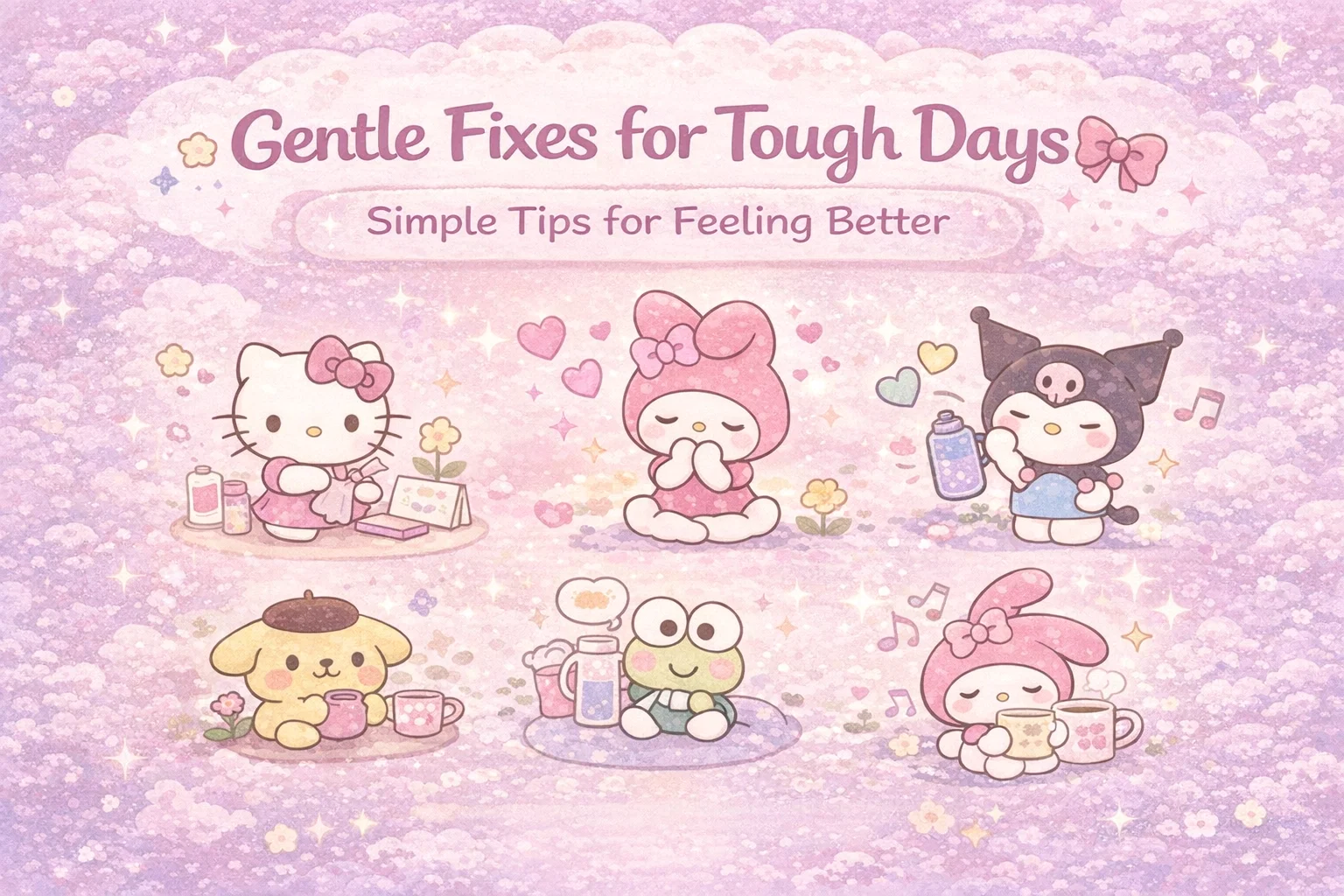
Kawaii Self-Care Guide Gentle Fixes for Tough Days Mental Wellness Tips Pink Aesthetic
In a world that often demands constant productivity and high energy, it is remarkably easy to feel like you are falling behind. We are frequently told to grind harder, do more, and push through the noise, but sometimes the most revolutionary thing you can do is pause. The digital age has brought us a beautiful subculture of soft aesthetics and kawaii comfort that reminds us that healing does not always have to be a loud, grueling process. Sometimes, the best fixes are the ones that feel like a warm hug or a quiet room. If you have been feeling a bit much lately, you are certainly not alone, and finding gentle ways to navigate those tough days can make all the difference in your long-term mental wellness.
Understanding the Power of Soft Comfort
The concept of soft comfort is more than just a pastel color palette or cute characters. It is a psychological approach to self-care that prioritizes sensory grounding and low-pressure activities. When our nervous systems are overstimulated, a harsh self-improvement regimen can actually backfire, leading to more anxiety and deeper burnout. By leaning into gentle fixes, we allow our brains to reset without the fear of failure. This approach is rooted in the idea that small, manageable actions are more sustainable than grand gestures of lifestyle change. When you choose to tidy one tiny space rather than cleaning the whole house, you are giving yourself a win that your brain can actually process and celebrate.
Why Visual Cues Matter for Mental Health
There is a reason why kawaii culture and soft aesthetics have become so popular in the wellness space. Visuals that incorporate soft pinks, rounded shapes, and friendly characters like those found in the world of Sanrio can trigger a sense of safety and nostalgia. These images act as a visual exhale. When we see a character like My Melody or Hello Kitty engaging in simple acts of care, it gives us subconscious permission to do the same. It strips away the clinical, often intimidating nature of mental health advice and replaces it with something approachable and kind.
Navigating Specific Feelings with Gentle Action
Not every tough day feels the same. Some days are loud and frantic, while others are quiet and heavy. Identifying the specific flavor of your struggle is the first step toward finding the right remedy. By categorizing our feelings, we can match them with a specific, low-energy action that addresses the root of the discomfort without adding to the overwhelm.
Calming the Scattered Mind
Feeling scattered often feels like having fifty browser tabs open in your brain, and all of them are playing different music. It is a state of mental clutter where focusing on a single task feels impossible. The gentle fix for this is not to force focus, but to create a physical reflection of the clarity you want. Tidying one tiny space, like a single drawer or your immediate desktop, provides a tangible sense of control. A clear surface helps calm busy thoughts because it reduces the amount of visual information your brain has to process. It is a small victory that creates immediate spatial relief.
Breathing Through the Overwhelm
When the weight of responsibilities feels like it is crushing you, the feeling of being overwhelmed can manifest physically as a tight chest or shallow breathing. This is your body’s fight or flight response kicking in. The remedy is to pause and take three slow breaths. Inhaling through the nose and exhaling through the mouth sends a direct signal to your nervous system that you are safe. It is a manual override for stress. These small resets count because they break the cycle of escalating tension before it turns into a full-blown panic.
Getty Images
Fighting Fatigue and Mental Fog
Low energy and brain fog are often the body’s way of saying the fuel tank is empty. Instead of reaching for a third cup of coffee, which might just lead to jitters later, try addressing the basic physiological needs that often go ignored when we are busy or stressed.
Hydration and Movement for Low Energy
Often, what we perceive as exhaustion is actually dehydration or stagnant circulation. If you are feeling low, drink some water and stretch your arms. Reaching toward the ceiling or rolling your shoulders helps move lymph and blood, bringing fresh oxygen to your brain. It is not a workout; it is a movement snack. These tiny physical adjustments can provide a natural lift that lasts longer than a caffeine spike.
Clearing the Fog with Brain Fuel
Mental fog can make you feel like you are moving through molasses. Your thoughts are blurry, and decision-making feels heavy. This is a sign that your brain needs a literal energy source. Having a small snack or something warm can provide the glucose your brain requires to function. A warm cup of tea or a piece of fruit acts as a sensory anchor. The warmth of the mug in your hands grounds you in the present moment, while the nutrients help clear the haze.
Addressing Burnout and Constant Busyness
In our current culture, being busy is often worn as a badge of honor, but chronic busyness leads directly to burnout. Burnout is a state of emotional, physical, and mental exhaustion caused by excessive and prolonged stress. Recovering from it requires more than just a nap; it requires a shift in how we perceive rest.
Fresh Air as Gentle Medicine
When you are burnt out, even your own home can start to feel like a cage. The walls seem closer, and the air feels stale. The fix here is to step outside or sit by a window. Fresh air and natural light are essential for regulating our circadian rhythms and mood. Seeing the sky reminds us that the world is much bigger than our current problems. Nature has a way of putting things into perspective without asking anything of us in return.
The Productivity of Doing Nothing
One of the hardest lessons to learn is that rest is productive too. If you feel too busy, the most radical thing you can do is give yourself five minutes of absolutely nothing. No scrolling, no podcasts, no planning. Just sitting. This allows your brain to enter the default mode network, which is where creativity and emotional processing happen. By doing nothing for five minutes, you are actually clearing the way for better work later on.
Soothing the Anxious and Worried Heart
Anxiety and worry are future-oriented emotions. They pull us out of the present and into a “what if” scenario that hasn’t happened yet. Gentle fixes for these states focus on grounding you back into the “what is” of the current moment.
Texture and Grounding for Anxiety
Anxiety can make you feel untethered. To combat this, hold something soft or comforting. Whether it is a plushie, a soft blanket, or a smooth stone, texture helps ground the nervous system. This is known as sensory grounding. By focusing on the physical sensation of softness against your skin, you draw your attention away from the spiraling thoughts and back into your physical body.
Writing for the Unsure Mind
If you are feeling unsure about yourself or your path, your internal monologue is likely focusing on your perceived failures. To shift this, write down one thing you enjoyed today. It does not have to be a major achievement. Maybe you liked the way the sun hit the floor, or you had a really good piece of toast. Acknowledging tiny joys helps retrain your brain to look for the good, even on the tough days. Even tiny joys matter because they build a foundation of gratitude that can weather bigger storms.
Processing Worry Through Music
Worry often feels like a broken record in the mind. To break the loop, play a song that feels like a hug. Music has a direct line to our emotions and can help us process feelings that words cannot reach. Instead of trying to fix the worry, let yourself feel it while the music supports you. This is about emotional validation rather than emotional suppression. When you let yourself feel without the pressure of an immediate fix, the worry often begins to dissipate on its own.
Creating Your Own Gentle Fixes Toolkit
Building a resilient mindset does not mean you never have bad days. It means that when those days arrive, you have a toolkit ready to help you manage them. You can create your own “Gentle Fixes” list tailored to what makes you feel safe and supported. Here are a few ways to start building your personalized guide:
- Identify your triggers: Notice which feelings come up most often for you. Are you more prone to feeling scattered or feeling burnt out?
- Gather your tools: Keep a soft blanket nearby, have your favorite tea stocked, and create a “hug” playlist on your phone.
- Keep it visible: Place reminders in your space. A cute sticky note on your mirror or a digital reminder on your phone can prompt you to take that three-breath pause when you need it most.
- Practice self-compassion: Remind yourself that it is okay to not be okay. The goal is not to be happy all the time, but to be kind to yourself through every emotion.
The Role of Community in Soft Wellness
While many of these fixes are personal, there is a beautiful community aspect to this movement. Sharing these “cute reminders” on platforms like Pinterest or Instagram helps normalize the struggle. When we see others acknowledging their “foggy” or “worried” days, it reduces the stigma and the shame associated with mental health struggles. We are all just trying to navigate a complex world, and doing it with a bit of kawaii charm makes the journey feel a little less lonely.
Conclusion: Embracing the Tiny Resets
Tough days are an inevitable part of the human experience, but they do not have to define us. By embracing gentle fixes, we move away from the harsh “no pain, no gain” mentality and toward a more sustainable, loving way of living. Whether you are tidying a tiny space, drinking a glass of water, or simply sitting in the sun for five minutes, remember that these small actions are significant. They are the building blocks of a resilient and healthy mind. Next time everything feels like a bit much, take a page out of the book of soft comfort. Be gentle with yourself, breathe deeply, and know that you are doing your best. Your brain and your heart will thank you for the kindness.
Would you like me to generate a specific self-care checklist or a 30-day “Gentle Habit” tracker based on these themes for your next post?