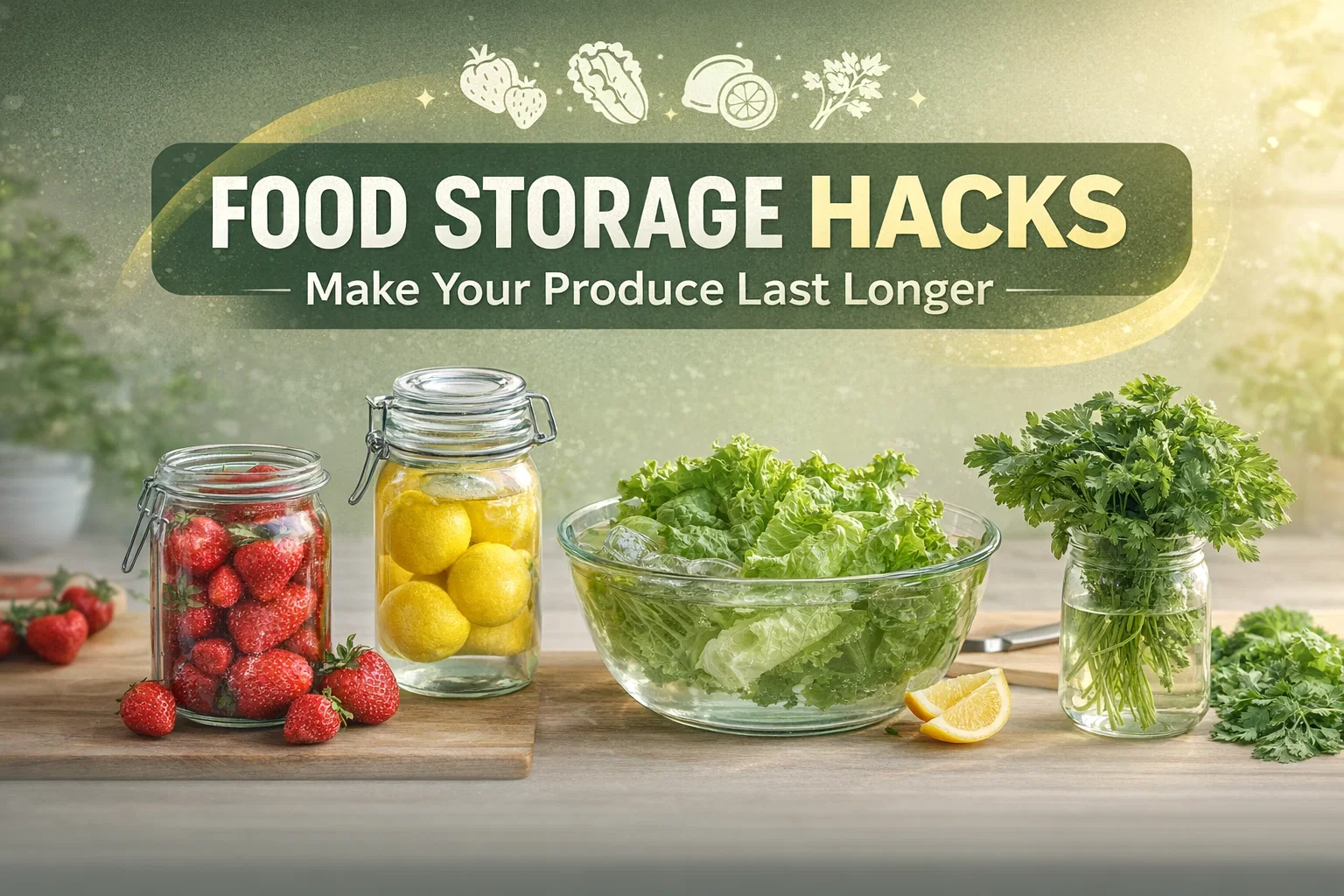
Kitchen Hacks to Keep Produce Fresh Longer 4 Genius Food Storage Tips to Reduce Waste
We have all been there. You come home from the grocery store with a beautiful haul of bright red strawberries, crisp romaine lettuce, and fragrant herbs, only to find them transformed into a sad, wilted mess just three days later. It is incredibly frustrating to watch your hard earned money go straight into the compost bin. But what if the problem is not the produce itself, but how we are treating it once we get it home? The way we store our food is often the difference between a meal that tastes like it came from a five star restaurant and one that feels like a chore to eat.
Most of us follow the old way of doing things because that is how we saw our parents do it. We leave berries in their plastic clamshells, toss lemons into a drawer in a plastic bag, and hope for the best. However, a few simple shifts in your kitchen routine can radically extend the life of your groceries. By understanding the science of hydration and respiration in plants, you can keep your kitchen stocked with vibrant, crunchy, and delicious ingredients for weeks on end. Let us dive into the ultimate guide for upgrading your food storage game.
The Magic of Glass Jar Strawberry Storage
Strawberries are notorious for being the divas of the fruit world. They are delicate, prone to mold, and seem to have a shelf life of about forty eight hours if you leave them in their original store packaging. The traditional plastic containers are designed for transport, not for long term preservation. They often trap moisture at the bottom while allowing too much airflow at the top, which is a recipe for disaster.
Why Glass Beats Plastic for Berries
Switching your strawberries into a glass jar is one of the most effective kitchen hacks you will ever try. Glass provides a consistent temperature and a controlled environment that plastic simply cannot match. When you store berries in an airtight glass jar, you are slowing down their respiration rate. This prevents them from drying out while also protecting them from the fluctuating humidity levels inside your refrigerator. Many people find that their strawberries stay firm and mold free for two weeks or even longer when using this method.
The Secret Preparation Step
To get the best results, do not wash your berries until right before you eat them. Moisture is the enemy of longevity when it comes to soft fruits. Simply remove them from the plastic, discard any that already show signs of bruising or soft spots, and place the dry berries into a clean glass jar. Seal it tight and keep it in the main body of the fridge rather than the door, where the temperature is more stable.
Lemons in Water: The 3 Month Freshness Trick
Have you ever reached for a lemon only to find it has turned into a hard, yellow rock? Citrus fruits have thick skins, but they are still porous. Over time, the juice inside evaporates through the peel, leaving you with a dry, useless fruit. Most people store lemons in a plastic bag or loose in the crisper drawer, but this only delays the dehydration process by a few days.
Rehydrating Your Citrus
The new way to store lemons is a total game changer: submerging them in water. By placing your lemons in a large glass jar and filling it with cool, filtered water, you create a barrier that prevents the juice from evaporating. The skin stays supple, and the fruit inside remains incredibly juicy. This method can keep your lemons fresh and ready for squeezing for up to three months. It is an amazing way to save money, especially if you like to buy your citrus in bulk.
Maintenance for Long Term Storage
While this method is low maintenance, it is not completely hands off. You should aim to change the water in the jar about once a week to keep everything clean and fresh. If you notice the water getting cloudy, give the jar a quick rinse and refill it. You will be amazed at how heavy and juice filled your lemons stay compared to the traditional fridge storage method.
Reviving Wilted Lettuce with a Cold Soak
Nothing ruins a salad faster than limp, rubbery lettuce. We often assume that once lettuce loses its crunch, it is past its prime. However, lettuce is mostly water, and wilting is often just a sign of dehydration rather than spoilage. Taking lettuce straight from the fridge and putting it into a bowl is the old way. The new way involves a little bit of spa time for your greens.
The 30 Minute Crisp Up
Before you prepare your salad, take your lettuce leaves and submerge them in a bowl of ice cold water for about thirty minutes. This process, known as turgor pressure restoration, allows the cells of the lettuce to drink up the water and firm back up. The result is a level of crispness that you usually only find in professional kitchens. It can take a head of lettuce that looks ready for the trash and make it look like it was just picked from the garden.
Proper Drying is Key
After your lettuce has had its cold soak, make sure to dry it thoroughly. A salad spinner is your best friend here. If the leaves are still wet when you add dressing, the oil will not stick, and your salad will become soggy. Once dried, you can even store the revived leaves in a container with a dry paper towel to maintain that perfect texture for several more days.
Creating a Living Herb Bouquet
Herbs are often the most expensive items per ounce in the produce aisle, yet they are the ones we waste the most. Those little plastic sleeves or bags from the grocery store are essentially coffins for cilantro, parsley, and mint. They trap ethylene gas and moisture, leading to slimy leaves within days. To keep herbs fresh for weeks, you need to treat them like fresh flowers.
The Water Jar Method
The herb bouquet method is simple but incredibly effective. Trim the bottom of the stems just like you would with roses. Place them in a glass jar with an inch or two of fresh water. For soft herbs like parsley and cilantro, you can loosely cover the top with a reusable silicone bag or a bit of wrap to create a mini greenhouse effect. For hardier herbs like rosemary or thyme, they often do just fine without a cover.
Why This Works
By keeping the stems in water, the plant continues to draw up moisture, which keeps the leaves hydrated and vibrant. This method also keeps the herbs upright and organized, making it easy to see what you have so you actually remember to use them in your cooking. Instead of a soggy mess in the bottom of the drawer, you have a beautiful, fragrant display in your fridge that stays fresh for up to three weeks.
Building a Sustainable Kitchen Routine
Transitioning from the old way to the new way of food storage does not just save you money, it also reduces your environmental footprint. Every piece of fruit or vegetable that you save from the landfill is a win for the planet. Plus, when your food looks beautiful and stays fresh, you are much more likely to cook at home and eat healthy, nutrient dense meals.
Investing in the Right Tools
You do not need fancy gadgets to implement these changes. A few different sizes of glass canning jars and some basic bowls are all it takes. Moving away from single use plastic bags and toward glass containers is a one time investment that pays for itself in reduced grocery bills within the first month. Glass is also non porous, meaning it will not hold onto odors or stains like plastic containers often do.
Tips for Success
- Label your jars: Use a wax pencil or a piece of masking tape to note the date you put items into storage.
- Keep it visible: One of the perks of using glass is that you can see exactly what you have. No more “science experiments” hiding in opaque plastic tubs at the back of the shelf.
- Clean as you go: When you finish a jar of strawberries or lemons, give it a quick wash so it is ready for your next grocery haul.
Conclusion: Freshness is in Your Control
The shift from being a passive consumer to an active food preserver is one of the most rewarding changes you can make in your home. By taking those extra few minutes after a grocery trip to prep your strawberries in jars, submerge your lemons, soak your lettuce, and create herb bouquets, you are setting yourself up for a week of delicious, stress free cooking. You deserve to eat food that is as fresh and vibrant as the day it was grown. Start with just one of these hacks this week, and once you see the results, you will never want to go back to the old way again. Save these tips for your next shopping trip and enjoy the crunch of truly fresh produce!
Would you like me to generate a Python script to automate the formatting of these WordPress posts?