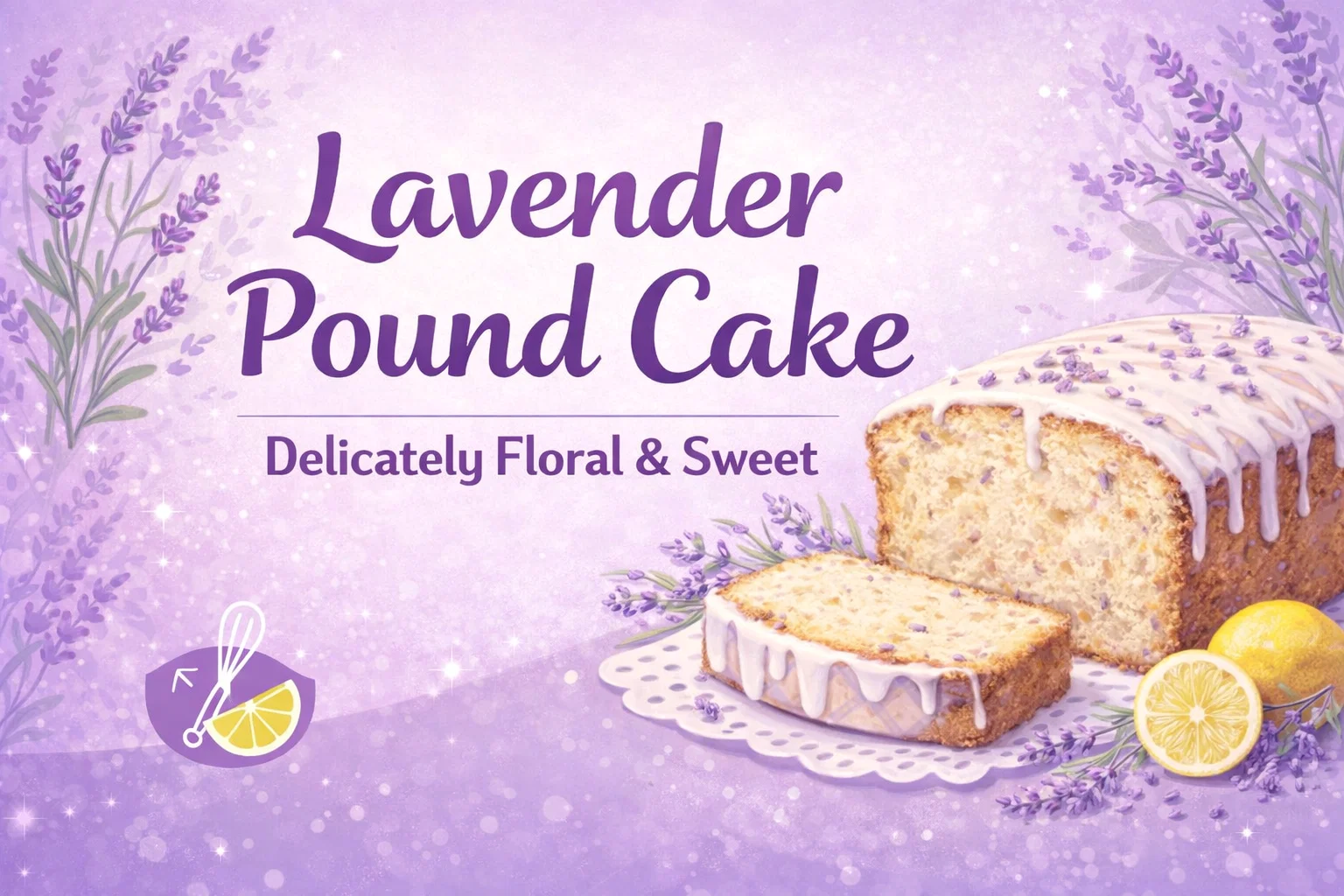
Lavender Pound Cake Recipe – Moist Floral Lemon Lavender Loaf with Glaze
There is something inherently magical about the scent of lavender wafting through a warm kitchen. While many of us associate this purple bloom with essential oils or calming sachets, it is a powerhouse in the world of botanical baking. This Lavender Pound Cake is a testament to how simple ingredients can be transformed into an elegant, aromatic masterpiece. It is delicate, floral, and just lightly sweet, topped with a lavender-infused glaze that makes every bite feel like a stroll through a blooming garden in Provence. Whether you are hosting a spring garden party or simply want to elevate your weekend baking, this loaf is the perfect balance of comfort and sophistication.
The Art of Botanical Baking
Baking with flowers requires a gentle touch and an understanding of flavor profiles. Lavender, in particular, carries a distinct earthiness and a slight peppery note that pairs beautifully with the rich, buttery base of a traditional pound cake. The key to success with this recipe is ensuring that the floral notes are present without being overpowering. When done correctly, the lavender enhances the sweetness of the sugar and the creaminess of the butter, creating a complex flavor that is both refreshing and indulgent.
Many bakers are intimidated by the idea of using herbs in desserts, but it is much simpler than it seems. By steeping the dried buds in warm milk, we extract the essential oils and the true essence of the plant. This method, often referred to as blooming, ensures that the flavor is distributed evenly throughout the batter. It prevents the cake from having a “soapy” taste, which can happen if raw lavender is tossed directly into the dry ingredients without preparation.
Choosing the Right Lavender
Before you preheat your oven, it is crucial to talk about your ingredients. Not all lavender is created equal. For this recipe, you must use culinary-grade dried lavender. This variety is specifically harvested and processed for consumption, meaning it has a sweeter flavor and lower camphor content than the varieties used for crafts or perfumes. English lavender (Lavandula angustifolia) is the most common choice for baking because of its refined, delicate aroma. Always double-check the packaging to ensure it is safe for food use, as this will make or break the final taste of your pound cake.
Essential Ingredients for a Moist Pound Cake
A classic pound cake is known for its dense yet tender crumb. To achieve this, we rely on a specific set of pantry staples, each playing a vital role in the structural integrity and flavor of the loaf. Here is a look at what makes this recipe stand out:
- Unsalted Butter: Softened to room temperature, butter provides the rich flavor and the fat necessary for a melt-in-your-mouth texture. Using unsalted butter allows you to control the exact amount of sodium in the recipe.
- Granulated Sugar: This provides sweetness and helps to aerate the butter during the creaming process, creating a light and fluffy base.
- Large Eggs: Eggs act as the primary leavening agent and provide structure. Ensure they are at room temperature so they incorporate smoothly into the batter.
- Sour Cream or Greek Yogurt: This is the secret to an incredibly moist pound cake. The acidity breaks down the gluten slightly, resulting in a finer crumb, while the fat content ensures the cake stays fresh for days.
- All-Purpose Flour: This provides the necessary structure without making the cake too heavy or too light.
- Vanilla Extract and Lemon Zest: These aromatics act as supporting characters, brightening the floral notes of the lavender and adding depth to the overall profile.
Step-by-Step Instructions for Success
Creating a beautiful pound cake is a process that rewards patience. Following the steps in order ensures that the emulsion of fat and liquid remains stable, which is the secret to a professional-looking loaf.
Step 1: Blooming the Lavender
Start by crushing your dried lavender buds slightly with a mortar and pestle or the back of a spoon. This releases the oils. Place the lavender in two tablespoons of hot milk and let it steep for about ten minutes. This infusion process is where the magic happens. Once the time is up, strain the milk into a small bowl and discard the solids. You are left with a fragrant, purple-tinted liquid that carries the soul of the flower.
Step 2: The Creaming Method
In a large mixing bowl, beat the softened butter and granulated sugar together. You want to continue beating until the mixture is visibly lighter in color and has a fluffy, cloud-like texture. This usually takes about three to five minutes. Do not rush this step, as the air bubbles you create now will help the cake rise in the oven.
Step 3: Incorporating the Liquids
Add the eggs one at a time, beating well after each addition. This prevents the batter from curdling. Next, stir in the vanilla extract, your strained lavender milk, and the optional lemon zest. The lemon zest is highly recommended as the acidity cuts through the richness of the butter and complements the lavender perfectly.
Step 4: Folding the Dry Ingredients
Sift together your flour, baking powder, and salt. Gradually fold the dry ingredients into the wet mixture, alternating with the sour cream or Greek yogurt. Start and end with the flour. Use a spatula and a gentle folding motion to avoid overmixing. Overworking the batter will lead to a tough, bready cake rather than a tender pound cake.
Step 5: Baking to Perfection
Pour the batter into a greased and floured loaf pan. Bake at 325 degrees Fahrenheit. This lower temperature allows the dense cake to cook through evenly without the edges burning. It usually takes between 70 to 85 minutes. You will know it is done when a skewer inserted into the center comes out clean and the top is a beautiful golden brown.
The Perfect Lavender Glaze
While the cake is cooling, it is time to prepare the finishing touch. A pound cake is wonderful on its own, but a lavender glaze takes it to a whole new level of elegance. This glaze provides a sweet, thin shell that locks in moisture and adds an extra punch of floral flavor.
To make the glaze, whisk together one cup of powdered sugar with a tablespoon or two of milk. You want a consistency that is thick enough to hold its shape but thin enough to drizzle. For the flavor, you can add a drop of lavender extract or a pinch of very finely crushed dried lavender. Drizzle this over the cooled cake and let it set for a few minutes before serving. For a stunning visual impact, garnish the top with a few whole dried lavender buds or thin slices of fresh lemon.
Tips for the Best Results
To ensure your Lavender Pound Cake turns out perfectly every time, keep these professional tips in mind. First, always measure your flour correctly. Instead of scooping the measuring cup directly into the flour bag, which packs it down, spoon the flour into the cup and level it off with a knife. This prevents the cake from becoming too dry.
Second, pay attention to the temperature of your ingredients. Room temperature eggs and butter bond together more easily, creating a smooth emulsion. If your butter is too cold, it won’t cream properly with the sugar, and if your eggs are too cold, they can cause the butter to seize up again.
Third, let the cake cool completely in the pan for at least fifteen minutes before attempting to flip it onto a wire rack. Pound cakes are quite delicate when they are hot, and giving them time to set ensures they come out of the pan in one beautiful piece.
Variations and Serving Suggestions
One of the best things about this recipe is its versatility. If you want to lean into the citrus notes, you can replace the lavender milk in the glaze with fresh lemon juice to create a Lemon Lavender Glaze. If you prefer a more rustic feel, skip the glaze entirely and serve thick slices of the cake with a dollop of honey-sweetened whipped cream and fresh blackberries.
This cake also makes a wonderful base for a sophisticated trifle. Layer cubes of the lavender cake with vanilla custard and fresh blueberries for a dessert that looks like it came from a high-end bakery. It also pairs exceptionally well with a hot cup of Earl Grey tea or a cold glass of sparkling rose, making it a versatile choice for any time of day.
Storing Your Lavender Cake
If you happen to have leftovers, this cake stores beautifully. Wrap it tightly in plastic wrap or store it in an airtight container at room temperature for up to three days. Because of the sour cream in the batter, the cake actually stays moist quite well. If you want to keep it longer, you can refrigerate it for up to a week, though you may want to let it come to room temperature before eating to appreciate the full floral aroma.
You can also freeze this pound cake! It freezes remarkably well either as a whole loaf or in individual slices. Wrap the cake in a double layer of plastic wrap and a layer of aluminum foil. It will stay fresh in the freezer for up to three months. To thaw, simply leave it on the counter for a few hours. This makes it a great make-ahead dessert for busy holiday seasons or upcoming events.
Conclusion
Mastering the Lavender Pound Cake is about more than just following a recipe; it is about exploring the harmony between the garden and the kitchen. This loaf brings a sense of calm and beauty to the table, proving that dessert can be both a treat for the palate and a feast for the senses. With its tender crumb, subtle floral fragrance, and zesty undertones, it is a recipe that you will find yourself returning to season after season. So, gather your culinary lavender, cream that butter to perfection, and enjoy the process of creating something truly special. Your kitchen is about to smell like a dream, and your guests will be asking for the recipe before they have even finished their first slice.