Lenten Reflection What to Give Up for Lent Ideas Spiritual Growth Guide
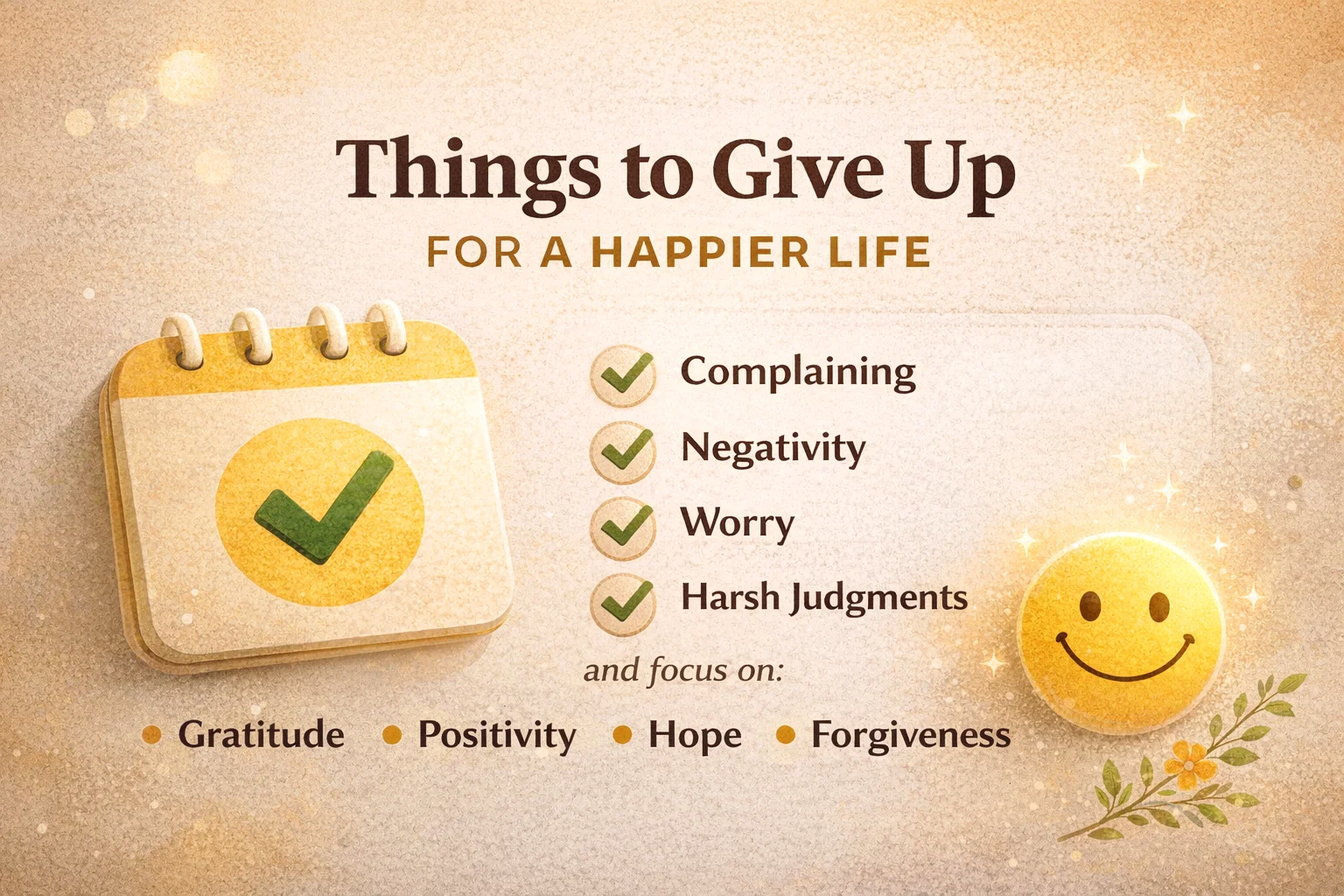
The journey of Lent is often associated with the traditional practice of giving up something physical—perhaps chocolate, social media, or caffeine. While these fasts are meaningful, the true heart of the season lies in an internal transformation. The image of the Lenten Reflection we are looking at today provides a powerful roadmap for a different kind of fast. It invites us to give up the toxic patterns of our minds and hearts to make room for something far more beautiful. Instead of focusing solely on what we are removing from our plates, we are encouraged to look at what we are removing from our souls.
The Power of a Mindset Fast
Lent is a forty day period of preparation, and while it is rooted in ancient tradition, its application in our modern, fast paced world is more relevant than ever. We live in an era of constant noise and frequent negativity. Our news feeds are often filled with reasons to be pessimistic, and our personal lives can easily slide into habits of complaining or judgment. A mindset fast is a conscious decision to pause these automatic negative responses and replace them with intentional, virtuous actions.
By choosing to give up complaining and focus on gratitude, we are not just following a religious rule. We are practicing a form of spiritual and mental hygiene that has been shown to improve overall well being. Gratitude shifts the brain’s focus from what is lacking to what is present, creating a sense of abundance even in times of trial. This transition from a scarcity mindset to one of thankfulness is the core of a successful Lenten reflection.
Trading Pessimism for Optimism
It is easy to be a pessimist. In many ways, pessimism feels like a protective shield against disappointment. However, the Lenten call to become an optimist is a call to courage. It is the belief that light is stronger than darkness and that hope is a more powerful force than despair. Optimism in this context is not a naive denial of reality, but a profound trust that things can and will improve through faith and effort.
Moving from Judgment to Kindness
One of the most challenging instructions on this list is to give up harsh judgments and think kindly thoughts. We often judge others as a way to elevate ourselves or to make sense of a complex world. However, harsh judgment creates barriers between us and our community. When we intentionally swap these judgments for kindness, we begin to see the humanity in everyone we encounter. This practice softens the heart and fosters a spirit of empathy that lasts far beyond the Easter season.
Trusting in Divine Providence Over Worry
Worry is perhaps the most common “sin” of the modern age. We worry about our finances, our health, and our future. The Lenten Reflection reminds us to trade this paralyzing worry for a trust in Divine Providence. This means acknowledging that while we cannot control every outcome, we are held by a power greater than ourselves. Letting go of worry is an act of surrender that brings an incredible sense of peace.
Finding Hope in Discouragement
Discouragement can feel like a heavy fog that settles over our daily lives. Whether it is a setback at work or a personal struggle, it is easy to feel like giving up. The antidote provided here is to be full of hope. Hope is the “anchor of the soul,” providing stability when the waves of life get rough. By choosing hope, we decide that our current circumstances do not have the final say in our story.
The Healing Path of Forgiveness
Bitterness is a poison we drink while hoping the other person suffers. It binds us to the past and prevents us from moving forward. Giving up bitterness and turning to forgiveness is one of the most liberating things a person can do. Forgiveness does not mean that what happened was okay, but it does mean that you are no longer willing to let that pain control your present. It is a gift you give to yourself as much as to the person you are forgiving.
Returning Good for Evil
This is the ultimate challenge of the Christian life. When we are met with hatred, our natural instinct is to strike back. However, the cycle of negativity only ends when someone decides to meet hatred with love. Returning good for evil is a radical act of spiritual warfare. It disarms the situation and reflects a level of maturity and grace that can truly change the world around you.
Practical Ways to Implement Your Lenten Reflection
Knowing what to give up is the first step, but how do we actually do it? Here are a few practical tips to help you stay on track during your forty day journey:
- Keep a Reflection Journal: Write down one thing you are grateful for each day to combat the urge to complain.
- Pause Before Speaking: If you feel a harsh judgment coming on, take a breath and try to find one positive thing about the person or situation.
- Morning Prayer: Start your day by surrendering your worries and asking for the strength to trust in Divine Providence.
- Visual Reminders: Keep a copy of this Lenten list on your fridge or as your phone wallpaper to stay mindful of your goals.
Overcoming Negativism with Positivity
Negativism is a habit, and like any habit, it can be broken. Being positive is a choice we make every morning. It involves looking for the silver lining and choosing to speak words of life rather than words of death. When we focus on being positive, we become a magnet for joy and a source of encouragement for those around us.
The Virtue of Patience
Anger often stems from a lack of control or a feeling of being wronged. By giving up anger and choosing to be more patient, we gain mastery over our emotions. Patience allows us to respond rather than react. It gives us the space to breathe and consider the best way to handle a situation without causing further harm.
Maturing Beyond Pettiness
Pettiness involves getting caught up in small, insignificant grievances. It is a sign of emotional immaturity. Moving toward maturity means keeping the big picture in mind. It means choosing your battles wisely and refusing to let minor annoyances ruin your day or your relationships. A mature spirit is a peaceful spirit.
Finding Beauty in the Midst of Gloom
The world can be a gloomy place, but there is always beauty to be found if we are looking for it. This Lenten practice encourages us to open our eyes to the wonders of creation and the small miracles of daily life. Whether it is a sunset, a child’s laughter, or a blooming flower, these moments of beauty are reminders of the goodness of the Creator.
Praying for Trust to Combat Jealousy
Jealousy arises when we compare our “behind the scenes” with someone else’s “highlight reel.” It makes us feel inadequate and resentful. By praying for trust, we affirm that our own journey is exactly where it needs to be. We trust that we have everything we need and that someone else’s success does not take away from our own.
Controlling the Tongue
Gossiping is a destructive habit that hurts others and tarnishes our own character. Controlling the tongue is one of the hardest disciplines to master. Before you speak about someone else, ask yourself if it is true, if it is kind, and if it is necessary. If it doesn’t meet those criteria, it is better left unsaid.
The Ultimate Goal: Virtue Over Sin
At its core, Lent is about turning away from sin and turning toward virtue. Sin is anything that separates us from God and our true selves. Virtue is the habit of doing good. This constant turning is the work of a lifetime, but Lent provides a dedicated season to focus our efforts and make significant progress.
Conclusion: The Final Encouragement
The very last line of the reflection is perhaps the most important: “Give up giving up—hang in there!” Spiritual growth is not a linear path. There will be days when you fail, when you lose your temper, or when you find yourself complaining about the weather. The key is not to let those slips define your journey. Lent is a season of grace, not a season of perfection.
As you move through these weeks, remember that the goal is transformation, not just deprivation. By letting go of the habits that weigh your spirit down, you are clearing the way for a more vibrant, hopeful, and loving life. Whether you are halfway through or just starting your reflection, keep your eyes on the finish line. The joy of Easter is waiting, and the version of yourself that emerges on the other side will be stronger, kinder, and more at peace. Hang in there, and let this be the most transformative season of your life yet.
Would you like me to create a daily 40 day checklist based on these specific virtues to help you stay organized during Lent?