Liver Health Guide Foods to Eat vs. Foods to Avoid for a Healthy Liver
Your liver is the unsung hero of your digestive system, working tirelessly behind the scenes to filter toxins, produce bile for digestion, and store essential nutrients. However, in our modern world of processed convenience and sugary temptations, it is easier than ever to push this vital organ into a state of liver overload. Taking care of your liver is not just about a one week detox or a trendy juice cleanse. It is about the daily choices you make at the breakfast table, during your lunch break, and when you are reaching for a late night snack.
The good news is that your liver is remarkably resilient. It is the only organ in the human body that can actually regenerate itself. By shifting your diet toward nutrient dense whole foods and pulling back on inflammatory ingredients, you can give your liver the breathing room it needs to function at its peak. In this guide, we will dive deep into the specific foods that act as medicine for your liver and the common culprits that might be causing more harm than you realize.
Understanding the Role of the Liver in Your Body
Before we look at the menu, it is helpful to understand why the liver deserves so much respect. Imagine a high tech filtration plant that never sleeps. The liver processes everything you eat, breathe, and absorb through your skin. It converts nutrients from your food into energy and ensures that harmful substances are neutralized before they can cause damage to your other organs.
When the liver becomes overwhelmed by an excess of fats, sugars, and chemicals, it can start to store fat within its own cells. This condition, often referred to as fatty liver, can lead to inflammation and long term health challenges. By choosing foods that support phase one and phase two detoxification, you are essentially providing the raw materials your liver needs to keep the factory running smoothly.
The Power Players: Foods That Help Your Liver Thrive
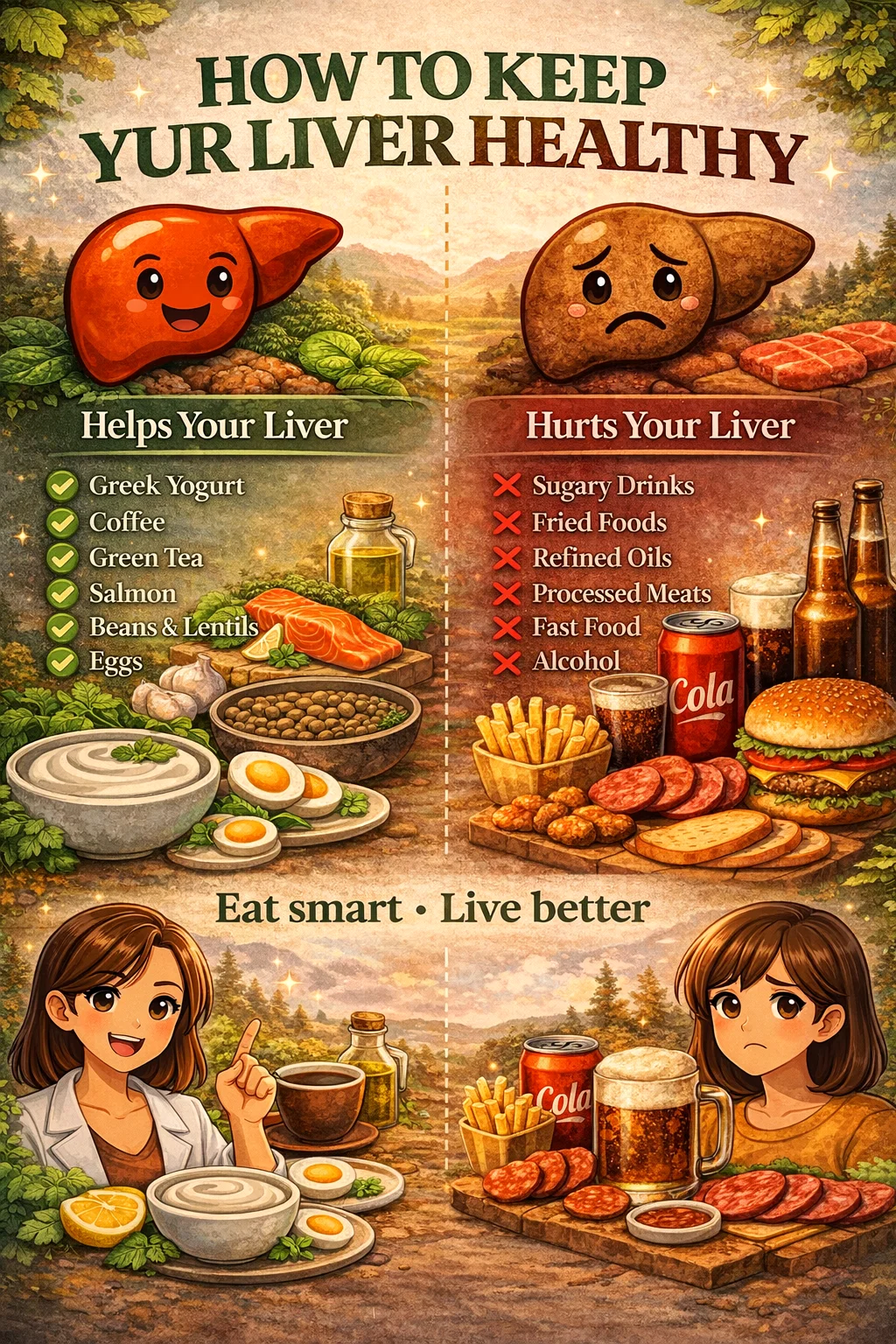
If you want to transform your health, start by filling your plate with ingredients that your liver loves. These foods are packed with antioxidants, healthy fats, and minerals that reduce inflammation and promote cellular repair.
The Benefits of Coffee and Green Tea
For many, a morning cup of coffee is a non negotiable ritual, and your liver is actually celebrating this habit. Studies have shown that coffee consumption can lower the risk of permanent liver damage and even reduce the risk of liver cancer. It helps by preventing the buildup of fat and collagen, which are markers of liver disease. Green tea is equally impressive. It is loaded with catechins, which are powerful plant antioxidants that improve liver enzyme levels and protect against oxidative stress. Aim for high quality organic options to avoid pesticide residue that could add to your toxic load.
Lean Proteins and Omega 3 Fatty Acids
The types of protein you choose can make a world of difference. Salmon and sardines are exceptional choices because they are rich in omega 3 fatty acids. These healthy fats help reduce liver fat levels and keep inflammation at bay. If you prefer plant based options, lentils, beans, and chickpeas provide a fantastic source of protein coupled with high fiber. Fiber is essential because it helps bind to toxins in the digestive tract, ensuring they are excreted rather than reabsorbed into the bloodstream.
The Versatility of Eggs and Greek Yogurt
Eggs are often called nature’s multivitamin, and for good reason. They contain choline, a nutrient that is vital for lipid metabolism. Without enough choline, fat can easily become trapped in the liver. Pairing your eggs with a serving of Greek yogurt adds a dose of probiotics to your diet. A healthy gut microbiome is closely linked to a healthy liver. When your gut is balanced, it prevents harmful bacteria from migrating to the liver, reducing the overall workload on the organ.
The Hidden Dangers: Foods That Harm Your Liver
While adding good things is important, it is equally crucial to identify the foods that act as “liver bullies.” These items trigger inflammation and force the liver to work overtime to process complex chemicals and excessive glucose.
The Sugar Trap: Fruit Juices and Soda
Many people assume that fruit juice is a healthy choice, but when you strip away the fiber from the fruit, you are left with a concentrated dose of fructose. Unlike glucose, which can be used by cells throughout the body, fructose is processed almost exclusively by the liver. When you flood the system with soda or large amounts of juice, the liver has no choice but to convert that excess sugar into fat. This is a primary driver of non alcoholic fatty liver disease in the modern world.
Refined Oils and Processed Fats
Refined vegetable oils like soybean oil, corn oil, and cottonseed oil are often high in omega 6 fatty acids, which can be pro inflammatory when consumed in excess. These oils are found in almost every packaged snack and fast food item. When these fats are heated to high temperatures, they can oxidize, creating free radicals that damage liver cells. Swapping these for stable fats like olive oil or avocado oil is a simple but profound change for your internal health.
Deli Meats and Processed Foods
Processed meats such as deli ham, sausages, and pepperoni are usually loaded with sodium and nitrates. High sodium intake can lead to fluid retention and put extra pressure on the liver. Furthermore, the preservatives used in these meats require significant effort for the liver to break down. When combined with the refined carbohydrates found in white bread or crackers, you create a recipe for metabolic stress.
How to Create a Liver Friendly Meal Plan
Transitioning to a liver supportive diet does not have to be complicated or boring. The key is to focus on whole, recognizable ingredients that come from the earth rather than a factory. Here are a few ideas to get you started on the right path.
- Breakfast: A bowl of Greek yogurt topped with fresh berries and a sprinkle of flaxseeds, paired with a cup of black coffee or green tea.
- Lunch: A vibrant salad featuring leafy greens, grilled salmon, lentils, and a dressing made of olive oil and lemon juice.
- Dinner: Poached eggs over a bed of sautéed spinach and garlic, served with a side of black beans and quinoa.
- Snacks: Fresh carrot sticks with hummus or a small handful of raw walnuts.
By keeping your meals colorful and diverse, you ensure that you are getting a wide spectrum of phytonutrients. Each color in the plant kingdom represents different antioxidants that help protect your cells in unique ways.
The Importance of Hydration and Lifestyle
While food is the foundation, your lifestyle choices also play a supporting role. Dehydration can make your blood thicker, making it harder for the liver to filter out waste products. Drinking plenty of filtered water throughout the day is the simplest way to support your detox pathways. Additionally, regular physical activity helps your body burn through stored glycogen and fat, preventing it from accumulating in the liver.
Sleep is another overlooked factor. During deep sleep, your body enters a state of repair and regeneration. This is when the liver does some of its most intense “housecleaning” work. Aiming for seven to nine hours of quality rest can significantly improve your metabolic health and liver function.
Common Myths About Liver Detoxes
In the age of social media, you will often see “miracle” liver flushes or restrictive liquid diets promised as a quick fix. It is important to remember that your liver does not need a magic potion to detox. It needs the right nutrients to do the job it was already designed to do. Severe calorie restriction can actually stress the liver further, causing it to release stored toxins too quickly for the body to handle. Stick to a sustainable, balanced approach rather than looking for a shortcut.
Does Alcohol Always Damage the Liver?
While the liver can process small amounts of alcohol, consistent heavy drinking is one of the most well known causes of liver damage. Alcohol acts as a direct toxin to liver cells and causes significant inflammation. If you are focused on healing your liver, it is best to avoid alcohol entirely for a period of time to allow the organ to recover. When you do choose to indulge, moderation is essential, and always stay hydrated to help your system process the byproduct known as acetaldehyde.
Signs Your Liver Might Need Extra Attention
How do you know if your liver is struggling? Sometimes the signs are subtle. You might experience persistent fatigue, even after a full night of sleep. Other indicators include digestive issues like bloating or indigestion, skin problems like acne or itchy skin, and a general feeling of brain fog. If you notice a yellowing of the eyes or skin, known as jaundice, it is a sign of a more serious issue that requires immediate medical attention. Paying attention to these signals allows you to adjust your diet before minor issues turn into chronic conditions.
Conclusion: Small Steps for Long Term Health
Taking care of your liver is one of the best investments you can make for your future self. By choosing salmon over deli meats, green tea over sugary sodas, and whole beans over processed snacks, you are sending a clear message to your body that you value its hard work. Remember that perfection is not the goal. It is the consistent, daily choices that define your health trajectory.
Start today by making one simple swap. Perhaps you replace your afternoon juice with a glass of water, or you add an extra serving of leafy greens to your dinner. Over time, these small shifts will add up to a vibrant, energetic life powered by a healthy, happy liver. Your body is an amazing machine, and with the right fuel, it can perform wonders. Keep eating smart and living better!