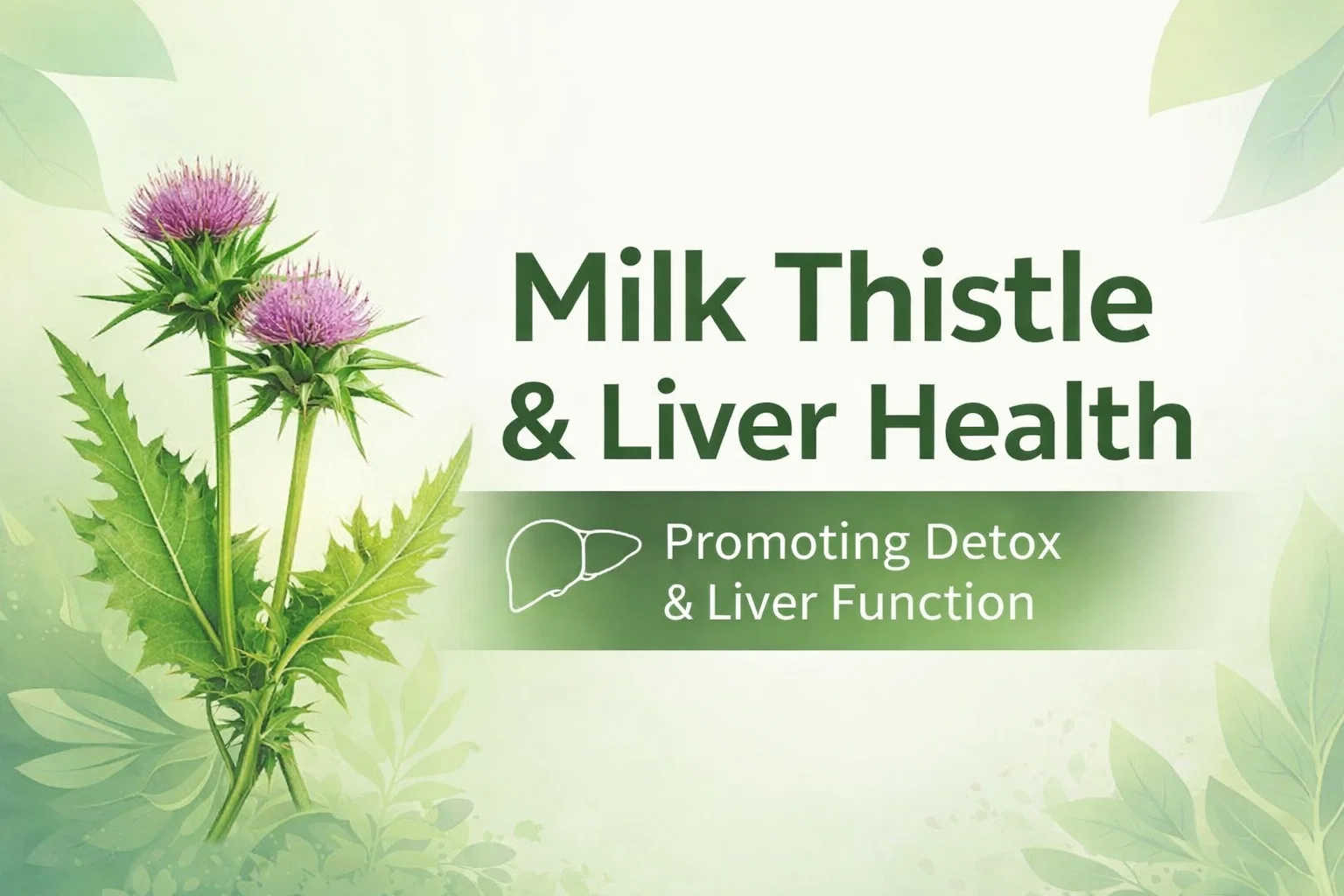
Milk Thistle Benefits for Liver Health Detox Natural Herbal Remedies Plant Guide
Discovering the secrets of the natural world often feels like unlocking a hidden treasure chest, and few plants offer as much historical and biological wealth as the humble Milk Thistle. Known scientifically as Silybum marianum, this striking purple wildflower is far more than just a common garden weed. For centuries, herbalists, healers, and modern wellness enthusiasts have turned to this prickly plant to support one of the body’s most vital organs: the liver. With its distinctive milky-white veins and vibrant thistle head, Milk Thistle stands as a testament to the power of traditional botanical wisdom meeting modern scientific curiosity. Whether you are looking to enhance your digestive health, explore the world of herbal tinctures, or simply understand the plants growing in your own backyard, this guide will take you deep into the world of Milk Thistle.
What Exactly is Milk Thistle?
Milk Thistle is a tall, hardy biennial plant belonging to the Asteraceae family, making it a distant relative of common daisies and sunflowers. Reaching heights of up to six feet, it is impossible to miss. Its most striking feature is its large, glossy green leaves, which are marbeled with white veins. According to ancient folk tales, these white patterns were said to be drops of milk, giving the plant its common name. Beyond its appearance, the plant is a biological powerhouse, producing vibrant pink to purple flower heads that eventually turn into the nutrient-dense seeds used in most wellness supplements today.
A Journey from the Mediterranean to the World
Originally native to the sun-drenched Mediterranean region, Milk Thistle has proven to be an incredibly adaptable traveler. Over the centuries, it has naturalized across Europe, North America, and various temperate regions worldwide. It thrives in dry, rocky soils and is often seen lining roadsides or flourishing in wild pastures. Because it spreads so easily, many people overlook its medicinal value, treating it solely as an invasive species. However, those in the know recognize it as a staple of the “folk medicine” cabinet, a plant that has sustained its reputation for over two thousand years.
The Liver Connection: Why Milk Thistle is a Detox Favorite
The most famous attribute of Milk Thistle is its relationship with liver health. In a world where our bodies are constantly processing processed foods, environmental pollutants, and various toxins, the liver works overtime as the ultimate filtration system. Milk Thistle is frequently included in wellness routines centered around “detox” because of a specific group of flavonoid lignans collectively known as Silymarin. Silymarin is primarily concentrated in the seeds of the plant and is studied for its potent antioxidant properties.
Antioxidant Power and Cellular Support
Antioxidants are the body’s primary defense against oxidative stress, which occurs when there is an imbalance of free radicals in the system. The compounds found in Milk Thistle seeds are believed to help stabilize cellular membranes and promote the regeneration of liver tissue. By acting as a shield, it helps the liver perform its natural duties more efficiently. This isn’t just about “cleansing” in the trendy sense; it is about providing the biological building blocks the body needs to maintain its own complex filtration processes.
Supporting Bile Production and Fat Digestion
Beyond its protective qualities, Milk Thistle is also associated with healthy bile production. Bile is essential for breaking down fats during the digestive process. When bile flow is optimal, the entire digestive tract functions more smoothly, reducing feelings of sluggishness after heavy meals. This traditional use aligns perfectly with its reputation as a bitter digestive tonic, helping to prime the stomach and gallbladder for the work of nourishment.
Exploring the Different Parts of the Plant
While many commercial supplements focus exclusively on the seeds, the entire Milk Thistle plant has historically been used in various ways. From the roots to the flower heads, every part of Silybum marianum offers something unique to the adventurous herbalist or forager.
- The Seeds: The most vital part of the plant for concentrated wellness. They are typically harvested in late summer, dried, and then crushed for use in powders, tinctures, or capsules.
- Leaves and Stalks: If you remove the prickly spines, the leaves can be eaten raw or cooked, much like spinach. They provide a bitter effect that is excellent for gut health.
- Flower Heads: When immature, the flower heads can be boiled and eaten similarly to artichokes, which are also part of the same botanical family.
- Roots: Though less common today, the roots were historically boiled and served as a nutritious root vegetable.
How to Incorporate Milk Thistle into Your Routine
If you are interested in trying Milk Thistle, there are several ways to bring this ancient herb into your modern lifestyle. The “right” form often depends on your specific goals and how much time you want to spend on preparation.
Tinctures and Liquid Extracts
Tinctures are a popular choice because they are highly concentrated and easily absorbed by the body. A few drops in a glass of water or under the tongue can provide a potent dose of the plant’s active compounds. This is often the preferred method for those focusing on targeted liver support.
Herbal Teas
For a more ritualistic approach, you can find teas made from crushed Milk Thistle seeds. It is important to note that Silymarin does not dissolve easily in water, so while the tea is soothing and offers some benefits, it may not be as concentrated as an extract or capsule. Adding a small amount of healthy fat, like a splash of milk or coconut oil, to your tea might help with the absorption of the plant’s beneficial compounds.
Ground Seed Powder
Ground seeds are incredibly versatile. You can sprinkle them over oatmeal, blend them into smoothies, or even mix them into homemade granola. This allows you to consume the entire seed, ensuring you get the fiber along with the antioxidants. It is a fantastic way to make herbalism a seamless part of your morning meal.
Fun Facts and Historical Context
Did you know that Milk Thistle has appeared in herbal texts for hundreds of years? It was mentioned by the Greek physician Dioscorides and later became a staple in European monasteries. Its enduring popularity is a testament to its perceived efficacy. Another interesting fact is that it belongs to the Asteraceae family, which means if you have an allergy to ragweed or marigolds, you should be cautious when first trying Milk Thistle products.
Additionally, millions of people globally now include Milk Thistle in their daily wellness routines. It has transitioned from a localized Mediterranean remedy to a global phenomenon, supported by both traditional practitioners and modern clinical studies investigating its role in blood sugar maintenance and skin health.
Safety and Considerations
While Milk Thistle is generally considered safe for most people, it is always wise to consult with a healthcare professional before starting any new supplement, especially if you are pregnant, nursing, or taking medications. Because it can influence how the liver processes certain drugs, a quick chat with a doctor ensures that you are using the herb in a way that is both safe and effective for your unique body.
Conclusion: Embracing the Wisdom of the Thistle
Milk Thistle is a remarkable example of how nature provides tools for our well-being right under our feet. From its beautiful, spiny leaves to the potent silymarin tucked away in its seeds, this plant offers a holistic approach to health that bridges the gap between ancient tradition and modern living. By supporting our liver, aiding our digestion, and providing a boost of antioxidants, Milk Thistle encourages us to take a more proactive role in our own wellness journey.
Next time you see a thistle blooming in a field or spot a bottle of extract on a health store shelf, you will know the incredible history and science behind it. Whether you choose to enjoy it as a tea, a supplement, or a foraged green, Silybum marianum is a powerful ally to have in your corner. Embrace the bitter, respect the thorns, and let this ancient Mediterranean herb help you feel your best from the inside out.
Would you like me to help you generate a meta description or a list of tags for this WordPress post?