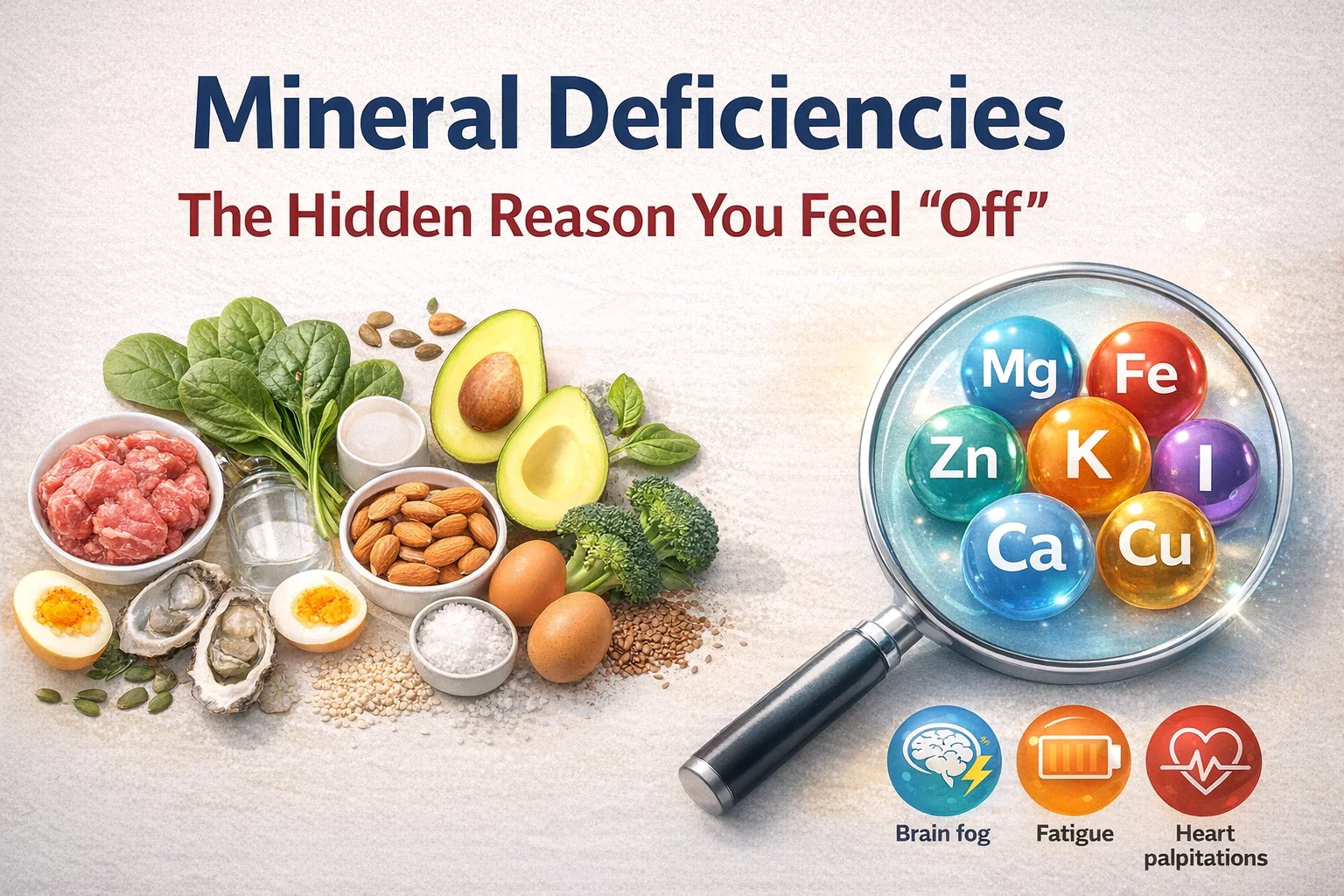
Mineral Deficiencies Common Symptoms Best Food Sources for Better Health
Have you ever woken up feeling completely exhausted despite getting eight hours of sleep? Or perhaps you have noticed strange muscle twitches, brittle nails, or a sudden bout of brain fog that just won’t lift? When our bodies feel “off,” we often jump to conclusions about stress or lack of caffeine, but the reality is frequently much deeper. We are often missing the fundamental building blocks of human health: minerals. These essential elements are the spark plugs of our biology, powering everything from our heartbeat to our cognitive function. Without them, our internal machinery begins to sputter, leading to a long list of symptoms that many of us have simply accepted as a normal part of aging or a busy lifestyle.
The truth is that mineral deficiencies are the hidden reason behind many of our daily struggles. In a world of depleted soil and processed convenience foods, it is easier than ever to become deficient in the very nutrients that keep us vibrant. Understanding the specific signals your body is sending is the first step toward reclaiming your vitality. By connecting the dots between your symptoms and the specific minerals you might be lacking, you can stop guessing and start nourishing your body with intention. Let’s dive into the most common mineral deficiencies, how to spot them, and exactly what to eat to get back on track.
Magnesium: The Master Mineral for Relaxation and Energy
Magnesium is involved in over 300 biochemical reactions in the human body, yet it is one of the most common deficiencies in the modern world. Often referred to as the relaxation mineral, magnesium is responsible for muscle function, nerve signaling, and even the regulation of the stress hormone cortisol. When you are low on this vital nutrient, your body remains in a state of high tension.
Signs You Need More Magnesium
- Muscle Cramps and Spasms: This is often the most recognizable sign. If you experience “charley horses” in your legs at night or persistent eye twitches, your muscles are likely struggling to relax due to low magnesium levels.
- Anxiety and Irritability: Since magnesium helps regulate the nervous system, a deficiency can leave you feeling “wired but tired,” anxious, or easily frustrated.
- Poor Sleep: Magnesium plays a key role in supporting deep, restorative sleep by maintaining healthy levels of GABA, a neurotransmitter that promotes relaxation.
- Chronic Fatigue: Magnesium is essential for the production of ATP, which is the primary energy currency of our cells. Without it, you will feel sluggish regardless of how much coffee you drink.
Best Food Sources for Magnesium
The good news is that magnesium is delicious and easy to find in nature. Focus on incorporating pumpkin seeds, which are a true powerhouse of this mineral. Leafy greens like spinach, almonds, and even mineral water are excellent choices. And for those with a sweet tooth, dark chocolate (at least 70% cocoa) is a fantastic way to boost your levels while satisfying a craving.
Iron: The Oxygen Porter for Your Vitality
Iron is the primary component of hemoglobin, the protein in your red blood cells that carries oxygen from your lungs to the rest of your body. When iron levels drop, your tissues and muscles don’t get enough oxygen to function effectively. This leads to a systemic slowdown that affects every organ in the body.
Recognizing Iron Deficiency
- Shortness of Breath: If you find yourself huffing and puffing after walking up a small flight of stairs, your body might be struggling to transport oxygen.
- Pale Skin: Hemoglobin gives blood its red color, so low levels can lead to a noticeably paler complexion or pale inner eyelids.
- Cold Hands and Feet: Iron deficiency can affect your internal temperature regulation, leaving you feeling chilly even in a warm room.
- Dizziness and Brain Fog: A lack of oxygen to the brain can cause lightheadedness and a general feeling of mental heaviness.
How to Replenish Your Iron Stores
To boost your iron, look toward a mix of animal and plant based sources. Red meat provides heme iron, which is the most easily absorbed form. For plant based options, lentils, spinach, and pumpkin seeds are fantastic. Pro tip: Always pair your iron rich foods with Vitamin C (like a squeeze of lemon on your spinach) to significantly improve absorption.
Zinc: The Guardian of Immunity and Healing
Zinc is a trace mineral, meaning we only need small amounts, but its impact is massive. It is essential for immune cell function, DNA synthesis, and cell division. If you find yourself catching every cold that goes around the office, zinc should be the first thing you look at.
Common Zinc Deficiency Symptoms
- Hair Thinning: Zinc is crucial for hair tissue growth and repair. A lack of it can lead to brittle strands or excessive shedding.
- Weakened Immunity: Frequent infections or a cold that lingers for weeks is a classic sign of low zinc.
- Poor Wound Healing: If a simple scratch or bruise takes an unusually long time to heal, your body likely lacks the zinc necessary for tissue regeneration.
- Loss of Taste or Smell: Zinc is required for the production of an enzyme called carbonic anhydrase, which is vital for our senses of taste and smell.
Top Sources for Zinc
Oysters are famously the highest source of zinc available. If seafood isn’t your favorite, you can get plenty of zinc from pumpkin seeds, chickpeas, and eggs. These staples are easy to add to salads, soups, or breakfast scrambles to keep your immune system sharp.
Potassium: The Electric Electrolyte for Heart Health
Potassium is an electrolyte that carries a small electrical charge, which is necessary for various cell and nerve functions. Its most important role is maintaining a steady heartbeat and ensuring that muscles contract properly. It also helps balance the effects of sodium, keeping your blood pressure in a healthy range.
Signs Your Potassium is Low
- Heart Palpitations: Since potassium regulates the electrical impulses of the heart, a deficiency can cause “fluttering” sensations or an irregular rhythm.
- Muscle Weakness: You might feel a general sense of heaviness in your limbs or find it difficult to perform physical tasks that used to be easy.
- Constipation: Potassium helps the smooth muscles of the digestive tract contract. When levels are low, digestion slows down significantly.
- Low Blood Pressure: While high blood pressure is a common concern, an imbalance in electrolytes like potassium can lead to drops in pressure that cause fainting or dizziness.
Potassium Rich Superfoods
Forget the myth that bananas are the only source of potassium! While bananas are great, avocados actually contain more potassium per serving. Coconut water is a fantastic way to hydrate and replenish electrolytes simultaneously. Additionally, beans of all varieties are packed with this essential mineral.
Iodine: The Fuel for Your Metabolism
Iodine is a critical component of thyroid hormones. These hormones control your body’s metabolism, temperature, and even your heart rate. Without enough iodine, your thyroid can’t do its job, which sends your entire metabolic system into a tailspin.
Symptoms of Iodine Deficiency
- Brain Fog: Difficulty concentrating or remembering things is a common side effect of a sluggish thyroid.
- Weight Changes: Unexpected weight gain despite no changes in diet or exercise is a hallmark of iodine issues.
- Dry Skin: Iodine helps your skin cells regenerate; without it, skin can become flaky and dull.
- Sensitivity to Cold: A slow metabolism produces less body heat, leaving you reaching for a sweater when everyone else is comfortable.
Best Sources of Iodine
The ocean is the best place to find iodine. Seaweed (like nori or kelp) is incredibly dense in this mineral. You can also find it in iodized salt, fish, and eggs. Adding a bit of seaweed to your diet once or twice a week can make a world of difference for your energy levels.
Calcium: Beyond Just Strong Bones
We all grew up hearing that calcium is for bones, but it is also essential for blood clotting, muscle contraction, and nerve function. When you don’t consume enough calcium, your body literally “borrows” it from your bones to keep your heart and muscles working, which can lead to long term structural issues.
Signals of Low Calcium
- Weak or Brittle Nails: If your nails peel or break easily, it is a sign of systemic mineral depletion.
- Bone Pain: Dull aches in the bones can indicate that your density is being compromised.
- Teeth Problems: Just like bones, your teeth rely on calcium for strength and enamel protection.
- Muscle Spasms: Calcium is required for the “reset” phase of a muscle contraction. Without it, muscles can stay locked in a painful spasm.
How to Get Your Calcium Fix
While dairy is the most famous source, it is far from the only one. Sesame seeds are surprisingly high in calcium. Sardines (especially with the bones) and leafy greens like kale and collard greens are excellent bioavailable sources that don’t require dairy consumption.
Selenium and Copper: The Unsung Heroes
Finally, we have trace minerals like selenium and copper. Selenium acts as a powerful antioxidant, protecting your cells from damage, while copper helps with the formation of red blood cells and maintaining healthy bones and nerves.
Watch Out For:
- Selenium Deficiency: Can lead to a weakened immune system and issues with fertility.
- Copper Deficiency: Often mimics iron deficiency, leading to fatigue and pale skin because copper is needed for iron metabolism.
You can find selenium in Brazil nuts, seafood, and organ meats. Copper is abundant in shellfish, nuts, seeds, and whole grains. Balancing these trace minerals is the final “fine tuning” your body needs to operate at 100% capacity.
Final Thoughts: Listening to Your Body’s Wisdom
Your body is incredibly intelligent. It doesn’t develop symptoms randomly; it uses them as a sophisticated communication system to let you know what it needs to thrive. Feeling “off” isn’t a life sentence or a mystery that cannot be solved. Most of the time, it is simply an invitation to look closer at the fuel you are providing. By focusing on nutrient dense, whole foods like leafy greens, nuts, seeds, and high quality proteins, you can naturally correct these deficiencies and unlock a level of health you might have thought was gone forever.
Remember that change doesn’t happen overnight. Start by picking one or two minerals that resonate with your current symptoms and focus on adding those specific foods to your plate this week. Whether it is a handful of pumpkin seeds for magnesium or a side of seaweed for iodine, these small shifts compound into a vibrant, energized life. Listen to your body, feed it well, and watch how quickly it rewards you with the clarity and energy you deserve.
Would you like me to help you create a specific meal plan based on these mineral rich foods or perhaps generate some SEO keywords to help this post rank higher?