Natural DIY Insect Repellent Recipe Easy Fly Mosquito Hack for Kitchens
Managing a home often feels like a constant battle against tiny, uninvited guests. Whether it is the persistent buzz of a mosquito or the frustrating sight of fruit flies hovering over your fresh produce, insects can quickly turn a peaceful kitchen into a source of stress. While the immediate reaction is often to reach for a heavy-duty chemical spray, many of us are looking for something better. We want solutions that are safe for our families, kind to the environment, and easy on the wallet. That is where the magic of DIY natural insect repellents comes into play, and this specific three-ingredient mixture is one of the most effective secrets for a bug-free home.
The Power of Simple Ingredients
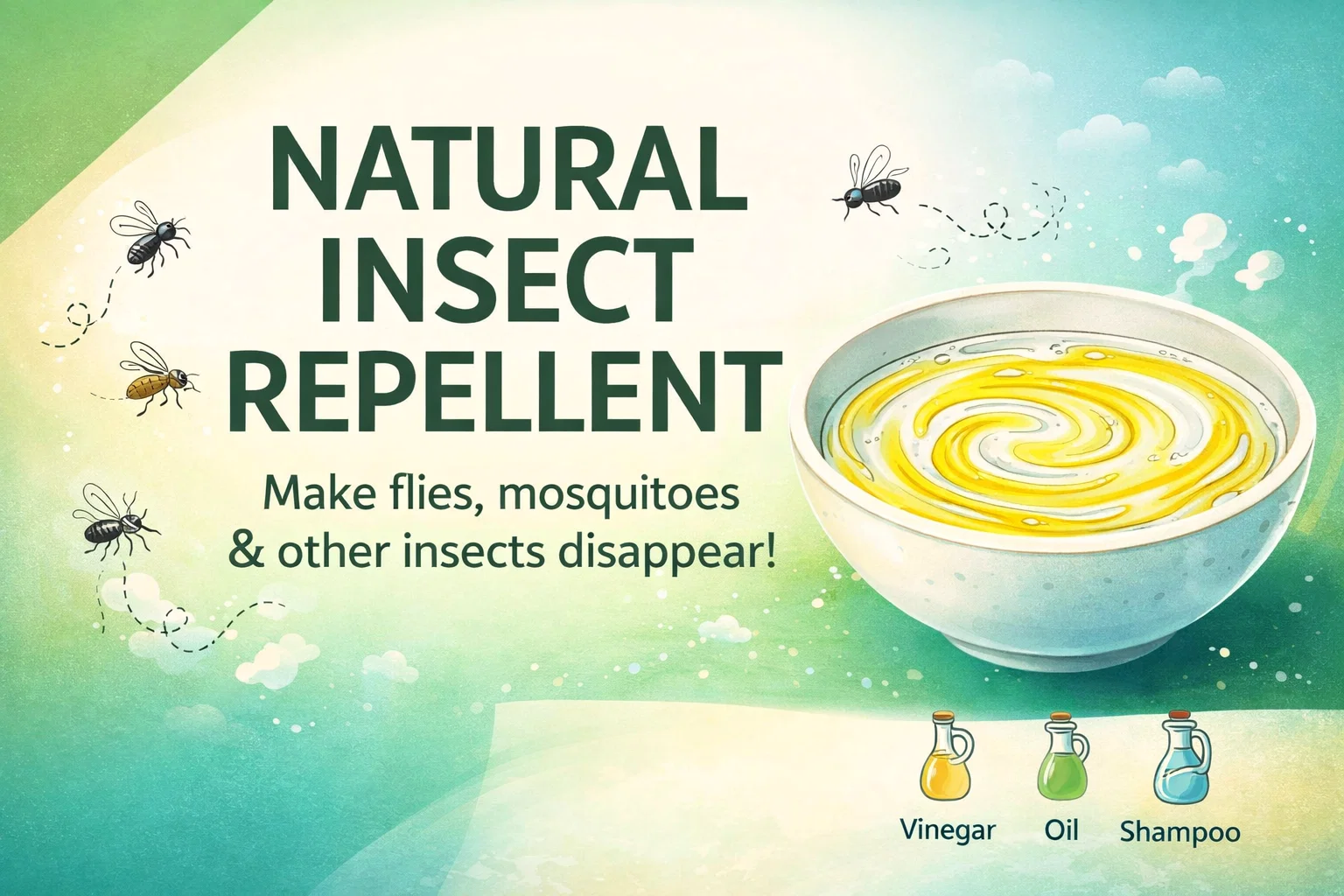
You might be surprised to learn that the secret to an insect-free kitchen is likely sitting in your pantry or bathroom right now. This particular remedy uses a combination of vinegar, vegetable oil, and shampoo. At first glance, these three items seem unrelated, but when combined, they create a formidable barrier against pests. This mixture does not just mask smells; it actively disrupts the environment that flies and mosquitoes find attractive.
How Vinegar Works
Vinegar is the powerhouse of natural cleaning and pest control. Its strong, acidic scent is highly polarizing in the insect world. While humans might find the smell of apple cider or white vinegar a bit sharp, many insects find it absolutely repulsive. It acts as a primary deterrent, signaling to pests that the area is not a suitable place to land or feed. Additionally, vinegar is excellent at breaking down the pheromone trails left behind by ants and other crawling insects, preventing them from calling their friends to the party.
The Role of Oil and Shampoo
While the vinegar does the heavy lifting in terms of scent, the olive oil (or any vegetable oil) and shampoo provide the mechanical action needed to keep the area clear. The oil creates a thin film on the surface of the liquid. If an insect does happen to get too close, the oil and the suds from the shampoo work together to trap them. This combination ensures that the repellent is not just a smell-based barrier but also a physical one that remains effective for days at a time.
Step-by-Step Guide to Creating Your Natural Repellent
One of the best things about this recipe is how incredibly simple it is to put together. You do not need any special equipment or a chemistry degree to get it right. Follow these steps to mix your own batch in less than two minutes.
- Gather Your Supplies: You will need 1/2 cup of vinegar, 1/2 cup of olive oil (or any vegetable oil you have on hand), and 1/2 cup of liquid shampoo.
- Choose a Container: A shallow bowl or a wide-mouthed jar works best. This provides more surface area for the scent to disperse into the air.
- Mix Thoroughly: Pour all three ingredients into your bowl. Use a spoon or a small whisk to blend them until the mixture looks slightly cloudy and consistent.
- Strategic Placement: Place the bowl in areas where you notice the most insect activity, such as near the kitchen sink, by the fruit bowl, or on a windowsill.
Why Choose Natural Solutions Over Chemicals?
In the modern world, we are surrounded by synthetic fragrances and harsh pesticides. While these products are designed for convenience, they often come with a hidden cost. Choosing a natural approach for your kitchen is about more than just killing bugs; it is about creating a healthier living environment.
Safety for the Whole Family
In the kitchen, where food preparation happens daily, the last thing you want is toxic residue settling on your counters or cutting boards. Commercial bug sprays often contain DEET or pyrethroids, which can be irritating to the respiratory system and skin. By using food-grade ingredients like vinegar and oil, you can rest easy knowing that your pest control method is safe for your children and your pets.
Environmental Impact
Every time we use a chemical aerosol, we contribute to indoor air pollution. Furthermore, the manufacturing and disposal of plastic pesticide bottles add to our global footprint. Natural remedies are biodegradable and sustainable. You are essentially repurposing everyday household items, reducing waste, and keeping harmful toxins out of the water system.
Pro Tips for a Bug-Free Kitchen
While this DIY repellent is incredibly effective, it works best when paired with good kitchen habits. To truly reclaim your space from mosquitoes and flies, consider these additional strategies to keep the pests at bay.
Manage Your Standing Water
Mosquitoes and gnats are drawn to moisture. Even a small amount of water left in the bottom of the sink or a damp sponge can become a breeding ground. Make it a habit to wipe down your sink after doing the dishes and ensure that your indoor plants are not sitting in pools of excess water. Combining the repellent bowl with a dry environment makes your kitchen much less appealing to insects.
Store Food Properly
Fruit flies are notoriously attracted to ripening produce. If you love keeping a bowl of fresh peaches or bananas on the counter, try to consume them quickly or move them to the refrigerator during peak bug season. If you must keep them out, place your DIY repellent bowl directly next to the fruit. The vinegar scent will act as a shield, confusing the flies and keeping them away from your snacks.
The Power of Herbs
As seen in many traditional kitchens, hanging dried herbs or keeping potted plants like mint, basil, or rosemary can provide an extra layer of protection. These plants have natural essential oils that insects dislike. A pot of fresh basil on the windowsill next to your repellent bowl creates a double-whammy effect that most flies will not want to cross.
Maintaining Your Repellent
To keep your natural insect repellent working at peak performance, you should refresh it every few days. Over time, the vinegar will evaporate, and its scent will fade. When you notice the mixture starting to look dry or if the smell is no longer noticeable, simply tip it out and mix a fresh batch. Because the ingredients are so affordable, you can keep this cycle going all summer long without breaking the bank.
Adapting the Recipe
If you find the scent of vinegar too strong, you can try using apple cider vinegar, which has a slightly sweeter, more fermented aroma that is often even more attractive to fruit flies but still repulsive to larger houseflies. You can also add a few drops of essential oils like eucalyptus or peppermint to enhance the repellent properties and leave your kitchen smelling fresh and clean.
Creating a Holistic Home Environment
Adopting natural remedies is often the first step toward a more intentional and holistic lifestyle. When we start looking for DIY solutions for small problems like kitchen gnats, we begin to realize how many other areas of our lives can be simplified. This approach encourages us to be more mindful of the products we bring into our homes and how they interact with our health and the world around us.
The Joy of DIY
There is a unique sense of satisfaction that comes from solving a problem yourself. Instead of running to the store, you are using your creativity and your resources to take care of your home. It empowers you to be more self-sufficient and often leads to discovering even more life hacks that save time and money.
Transform Your Summer Experience
Summer should be about enjoying fresh air, cold drinks, and delicious meals, not swatting away flies every five seconds. By placing a few bowls of this vinegar, oil, and shampoo mixture around your living spaces, you can finally open your windows and enjoy the breeze without the fear of an insect invasion. It is a simple, effective, and elegant solution to one of life’s most annoying little problems.
Conclusion
Natural insect repellents prove that you do not need expensive or dangerous chemicals to maintain a clean and comfortable home. This three-ingredient hack is a testament to the power of household staples and smart, simple living. By mixing a bit of vinegar, oil, and shampoo, you are choosing a path that is safer for your family, better for the planet, and incredibly effective at keeping pests where they belong—outside. Give this recipe a try today and experience the relief of a truly bug-free kitchen. You will be amazed at how such a small change can make such a big difference in your daily life. Save this recipe, share it with your friends, and enjoy the peace of mind that comes with a natural, healthy home.