Natural Home Remedy for Tooth Infection Gum Pain Frankincense Essential Oil Benefits
Finding yourself dealing with sudden gum pain or a throbbing tooth can be an incredibly stressful experience. It often happens at the most inconvenient times, leaving you searching your cabinets for anything that might offer a moment of peace. While modern dentistry is essential for long term health, many people are turning back to the ancient wisdom of botanical extracts to manage discomfort and support oral hygiene. One of the most revered and powerful tools in the natural wellness kit is Frankincense essential oil. Known as the king of oils, this resinous extract has been used for millennia to support the body’s inflammatory response and provide a grounding, healing presence. Today, we are exploring a simple yet effective home hack: using a single drop of Frankincense on a dry toothbrush to target localized infection and pain.
The Ancient Power of Frankincense in Modern Oral Care
Frankincense, derived from the Boswellia tree, is not just a fragrant incense used in spiritual ceremonies. It contains active compounds known as boswellic acids, which have been studied for their ability to soothe irritation and support the immune system. When it comes to your mouth, the environment is delicate. Gums can become inflamed due to trapped bacteria, minor injuries, or underlying issues. Using a high quality, therapeutic grade Frankincense oil provides a concentrated dose of nature’s defense mechanisms directly to the site of the problem.
How the Dry Toothbrush Method Works
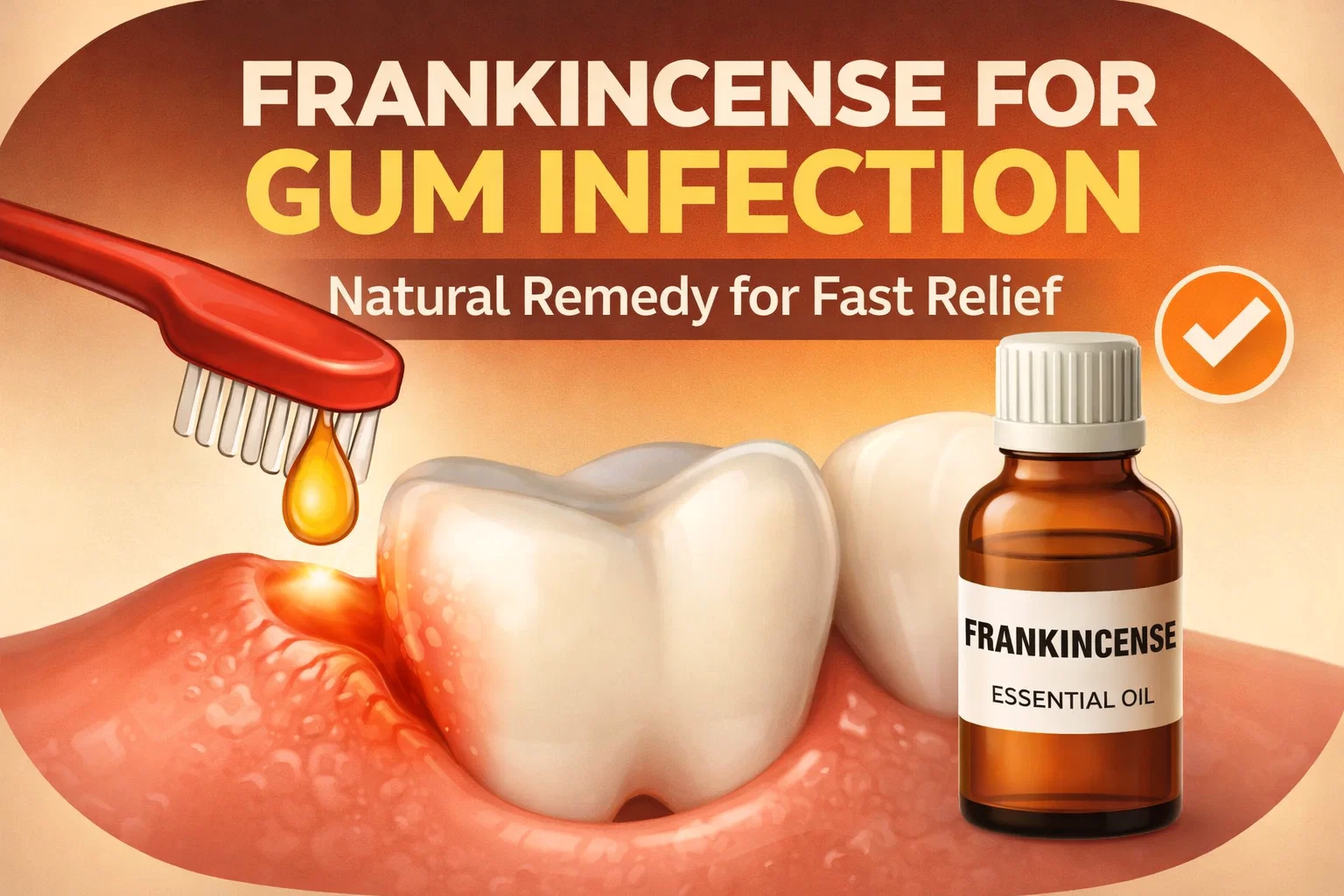
The image provided suggests a very specific technique: placing one drop of Frankincense on a dry toothbrush. You might wonder why the brush needs to be dry. Water can sometimes act as a barrier or dilute the essential oil before it reaches the targeted area. By using a dry brush, the bristles act as a precise delivery system, allowing the oil to coat the gums and the crevices around the tooth without being washed away instantly. This targeted application ensures that the antimicrobial properties of the oil stay in contact with the painful area for as long as possible.
Getty Images
Why Frankincense is a Favorite for Gum Health
There are several reasons why holistic health enthusiasts reach for Frankincense over other oils like Peppermint or Clove when dealing with deep seated discomfort. While Clove is famous for numbing, Frankincense is prized for its ability to support the tissue itself. It is a cicatrizant, which is a fancy way of saying it helps support the healing of skin and mucosal tissues. This makes it ideal for those dealing with recessed gums or minor infections where the goal is not just to mask the pain, but to encourage the body to heal the area.
- Natural Anti-inflammatory: It helps reduce the redness and swelling that often accompanies a tooth infection.
- Antiseptic Properties: It creates an environment that is inhospitable to the bacteria that cause decay and gum disease.
- Low Sensitivity: Compared to “hot” oils like Oregano or Cinnamon, Frankincense is generally very gentle on the sensitive skin of the mouth.
Step by Step Guide to Using Frankincense for Tooth Pain
If you are ready to try this at home, it is important to follow a few simple steps to ensure you are getting the most out of your essential oil. Quality matters more than anything else here. Since you are applying this to your mouth, ensure you are using a 100 percent pure, therapeutic grade essential oil without any synthetic fillers or fragrance oils.
Preparation and Application
Start with a clean, dry toothbrush. A soft bristled brush is usually best as it is less likely to further irritate an already painful gum line. Tilt your Frankincense bottle and let exactly one drop fall onto the center of the bristles. You do not need more than that; essential oils are incredibly potent, and a little goes a long way. Gently brush the affected area using circular motions. You aren’t trying to scrub the tooth clean like you do during your morning routine. Instead, you are lightly massaging the oil into the gum tissue and around the base of the tooth. Let the oil sit for a minute or two before rinsing your mouth with warm water.
Safety and Dilution
While Frankincense is considered one of the safer oils for neat application (applying without a carrier oil), everyone’s sensitivity is different. If you find that the oil feels too intense, you can dilute that single drop with a tiny bit of coconut oil. Coconut oil itself has lauric acid, which provides additional antimicrobial benefits, making it a fantastic partner for Frankincense in oral care. Always perform a patch test if you have never used the oil before to ensure you don’t have an allergic reaction.
Understanding the Root Cause of Dental Infections
While home remedies are fantastic for managing symptoms, it is vital to understand why the pain started in the first place. A dental infection, or abscess, occurs when bacteria invade the dental pulp or the space between the tooth and the gum. This can be caused by a cavity that went untreated, a cracked tooth, or advanced gum disease. The Frankincense method is a powerful tool for your wellness arsenal, but it should be used as part of a larger strategy for dental health.
When to See a Dentist
Natural remedies can work wonders for minor irritation, but certain signs indicate you need professional intervention. If you experience a high fever, visible swelling in the cheek or jaw, or a persistent foul taste in your mouth, these are signs that an infection may be spreading. A dentist can provide a proper diagnosis and ensure that the root of the problem is addressed so that the pain doesn’t return more severely later on.
The Holistic Approach to Oral Hygiene
Using Frankincense on a toothbrush is just one part of a holistic lifestyle. To keep your smile healthy, consider incorporating other natural habits into your daily routine. Oil pulling with coconut oil is a popular practice that helps “pull” toxins and bacteria out of the mouth. Supplementing with Vitamin C and CoQ10 can also strengthen gum tissue from the inside out. When we treat the mouth as a gateway to the rest of the body, we realize that oral health is a key pillar of overall longevity and wellness.
Building a Natural First Aid Kit
Every home should have a small selection of essential oils for emergencies. Along with Frankincense, consider keeping Clove oil for immediate numbing, Tea Tree oil for its intense antibacterial properties, and Lavender for its calming effects. Having these tools on hand allows you to take immediate action when a problem arises, giving you a sense of empowerment over your own health and comfort.
The Science of Aromatherapy in Dental Care
Modern research is starting to catch up with traditional uses of essential oils. Studies have shown that certain terpenes found in Frankincense, like alpha-pinene and limonene, possess significant biological activity. In a dental context, these compounds help to modulate the body’s inflammatory response. This means that instead of just turning off the pain signal, the oil is actually helping the body manage the underlying inflammation. This is the hallmark of a holistic remedy: it works with the body rather than just suppressing a symptom.
The Role of Stress in Oral Pain
Interestingly, the scent of Frankincense also plays a role in your recovery. Pain and stress are closely linked. When we are in pain, our cortisol levels spike, which can actually slow down the healing process. The earthy, woody aroma of Frankincense has a profound effect on the limbic system, helping to promote feelings of peace and relaxation. By inhaling the oil as you brush, you are lowering your stress response, which creates a better environment for your body to tackle the infection.
Common Myths About Natural Toothache Relief
There is a lot of information on the internet, and not all of it is accurate. One common myth is that essential oils can “cure” a deep cavity. While they can manage the bacteria and the pain, they cannot regrow tooth enamel once it has been lost to significant decay. Another myth is that more is always better. With Frankincense, using five drops won’t work five times faster than one drop. In fact, using too much can overwhelm the sensitive tissues. Stick to the “one drop” rule shown in the guide for the best results.
The Importance of Consistency
Natural remedies often require a bit of patience and consistency. If you are using Frankincense to support a sore gum, you might need to apply it two or three times a day for a few days to see the full benefit. Unlike a pharmaceutical pill that might mask pain in twenty minutes, essential oils work gradually to support the tissue. Be diligent with your application and pay close attention to how your body responds each day.
Conclusion: Empowering Your Dental Wellness Journey
The journey toward natural health is all about finding simple, effective ways to support your body using what the earth provides. The Frankincense toothbrush hack is a perfect example of this philosophy in action. It is easy, affordable, and utilizes a substance that has been trusted by healers for centuries. By keeping a bottle of high quality Frankincense in your medicine cabinet, you are prepared to handle minor dental discomforts with confidence and grace.
Remember that your mouth is a sensitive ecosystem. Treating it with care, using gentle botanical extracts, and maintaining regular checkups with a professional will ensure that your smile stays bright and pain free for years to come. Whether you are a long time essential oil enthusiast or a curious beginner, trying this one drop method could be the relief you have been looking for. Take control of your wellness today, and don’t forget to save these tips for the next time you or a loved one needs a natural touch of healing.
Would you like me to help you draft the WordPress tags and categories for this post as well?