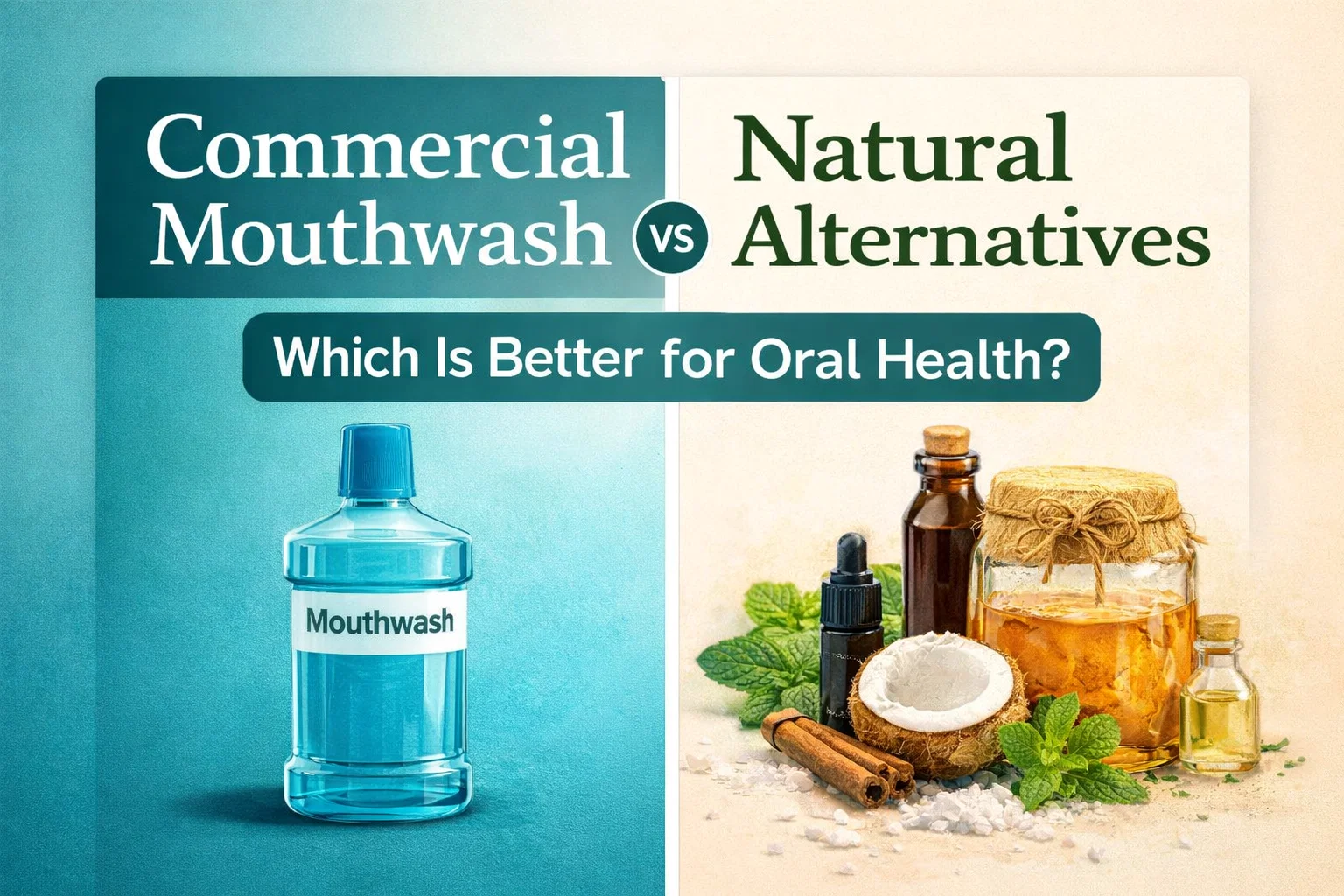
Natural Mouthwash Alternatives Chemical-Free DIY Recipes for Better Oral Health
Have you ever taken a close look at the ingredient list on the back of your favorite mouthwash bottle? If you are like many people, you probably see a long list of complex, unpronounceable chemicals. While these products are designed to freshen your breath and protect your gums, a growing number of people are questioning whether these synthetic formulations are actually the best choice for long-term oral health. The good news is that you do not have to rely on harsh additives to maintain a clean and healthy mouth. Nature provides us with powerful, gentle, and effective alternatives that have been used for centuries.
The Problem with Many Commercial Mouthwashes
The primary goal of most commercial mouthwash is to kill bacteria quickly. This is often achieved through the use of potent ingredients like high-concentration alcohol or harsh chemicals such as chlorhexidine. While these ingredients are undeniably effective at reducing bacterial loads, they often come with significant drawbacks that can impact your oral microbiome.
The Drying Effect of Alcohol
Many conventional mouthwashes rely on ethanol (alcohol) as a carrier for active ingredients. Unfortunately, alcohol is a well-known drying agent. A dry mouth is a major concern because saliva is your mouth’s primary defense against decay. Saliva neutralizes acids produced by bacteria and helps remineralize your tooth enamel. When your mouth is constantly being dried out by alcohol-based rinses, you may inadvertently be making your mouth more susceptible to cavities, bad breath, and gum irritation.
Synthetic Additives and Long-Term Sensitivity
Beyond alcohol, many brands include artificial sweeteners like saccharin, synthetic dyes to make the liquid look appealing, and various preservatives to extend shelf life. Some individuals find that these additives cause sensitivity, allergic reactions, or an unpleasant lingering aftertaste. Furthermore, while powerful agents like chlorhexidine are excellent for short-term clinical use under a dentist’s supervision, prolonged use can sometimes cause tooth staining and alter your sense of taste. It is time to consider if there is a more balanced way to maintain oral hygiene.
Embracing Natural Oral Care Alternatives
Transitioning to natural oral care does not mean you have to sacrifice effectiveness. Many natural ingredients possess incredible antibacterial, anti-inflammatory, and soothing properties that support the natural balance of your mouth.
The Power of Herbs and Spices
Nature is packed with botanicals that have been used for centuries to support gum health and fight odor. Cloves and cinnamon are fantastic examples. Both contain compounds that are naturally antimicrobial, helping to combat the bacteria that cause plaque buildup and bad breath. When infused properly, these ingredients can create a potent, pleasant-tasting rinse that feels much more natural than burning alcohol.
Soothing Inflammation with Herbal Infusions
If you suffer from occasional gum sensitivity or inflammation, herbal infusions are a gentle, effective remedy. Chamomile, for example, is well known for its calming properties. When used as a mouth rinse, it can help soothe irritated gum tissue and reduce minor discomfort. These infusions work in harmony with your body rather than just masking the symptoms of poor oral health.
The Role of Sea Salt
Simple sea salt is a classic, effective remedy that many dentists still recommend. A warm salt water rinse is excellent for promoting gum health because it creates an environment that is less hospitable to bacteria and helps draw out fluid from inflamed tissues. It is a simple, inexpensive, and highly effective tool to keep in your oral care arsenal.
Introducing Oil Pulling to Your Routine
If you are looking for a complete shift in how you cleanse your mouth, oil pulling is a practice worth exploring. This traditional technique involves swishing a high-quality oil, most commonly coconut oil, around your mouth for several minutes.
The science behind oil pulling suggests that the physical act of swishing helps break up plaque and bacteria, while the properties of the coconut oil can support a healthier oral environment. Because it is a mechanical process rather than a chemical one, it does not disrupt your mouth’s natural moisture barrier, making it an excellent option for those prone to dryness.
How to Make the Switch Safely
Moving away from commercial products is a great step, but it is important to do so with care. Here is how you can begin incorporating these alternatives into your life:
- Start Small: You do not need to overhaul your entire routine overnight. Try replacing your evening rinse with a simple warm salt water solution or try oil pulling just two or three times a week.
- Focus on Quality: If you are using herbs, essential oils, or coconut oil, make sure you are using high-quality, organic, and food-grade products.
- Listen to Your Body: Everyone’s oral microbiome is unique. Pay attention to how your mouth feels after trying a new method. If something causes irritation, stop using it immediately.
- Consult Your Dentist: Always keep your dentist in the loop regarding your oral care changes, especially if you have existing conditions like periodontitis or chronic gum issues. Natural remedies are great for maintenance, but they are not a substitute for professional dental care.
The Holistic View of Oral Health
Ultimately, a healthy mouth is about more than just what you use to rinse. It is about the holistic picture of your health. Your oral microbiome is directly linked to your systemic health, and using gentle, natural ingredients can be a way to honor that connection. By reducing the number of synthetic chemicals you introduce to your body daily, you are taking a proactive step toward long-term wellness.
Creating Your Own Simple Routines
You do not need to be a chemist to create simple, effective rinses at home. A basic infusion of chamomile, a drop or two of food-grade peppermint oil for freshness, and a pinch of high-quality sea salt can create a refreshing and soothing rinse. The key is consistency. Just like brushing and flossing, these natural practices work best when they become a seamless part of your daily habits.
Wrapping Up Your Journey to Natural Oral Care
Taking control of what you put in your mouth is empowering. While commercial mouthwashes are convenient, they are not your only option. By incorporating natural alternatives like sea salt, soothing herbs, and the cleansing practice of oil pulling, you can maintain a fresh, healthy smile without relying on synthetic chemicals. Remember that the best approach to oral health is one that is sustainable, gentle, and tailored to your specific needs. Start with one simple change today, and pay attention to how much better your mouth feels when you work with nature instead of against it.
Are you ready to give natural oral care a try, or have you already made the switch? Let us know which natural methods you are most excited to explore! Don’t forget to save this post as a reference for your next DIY health project.