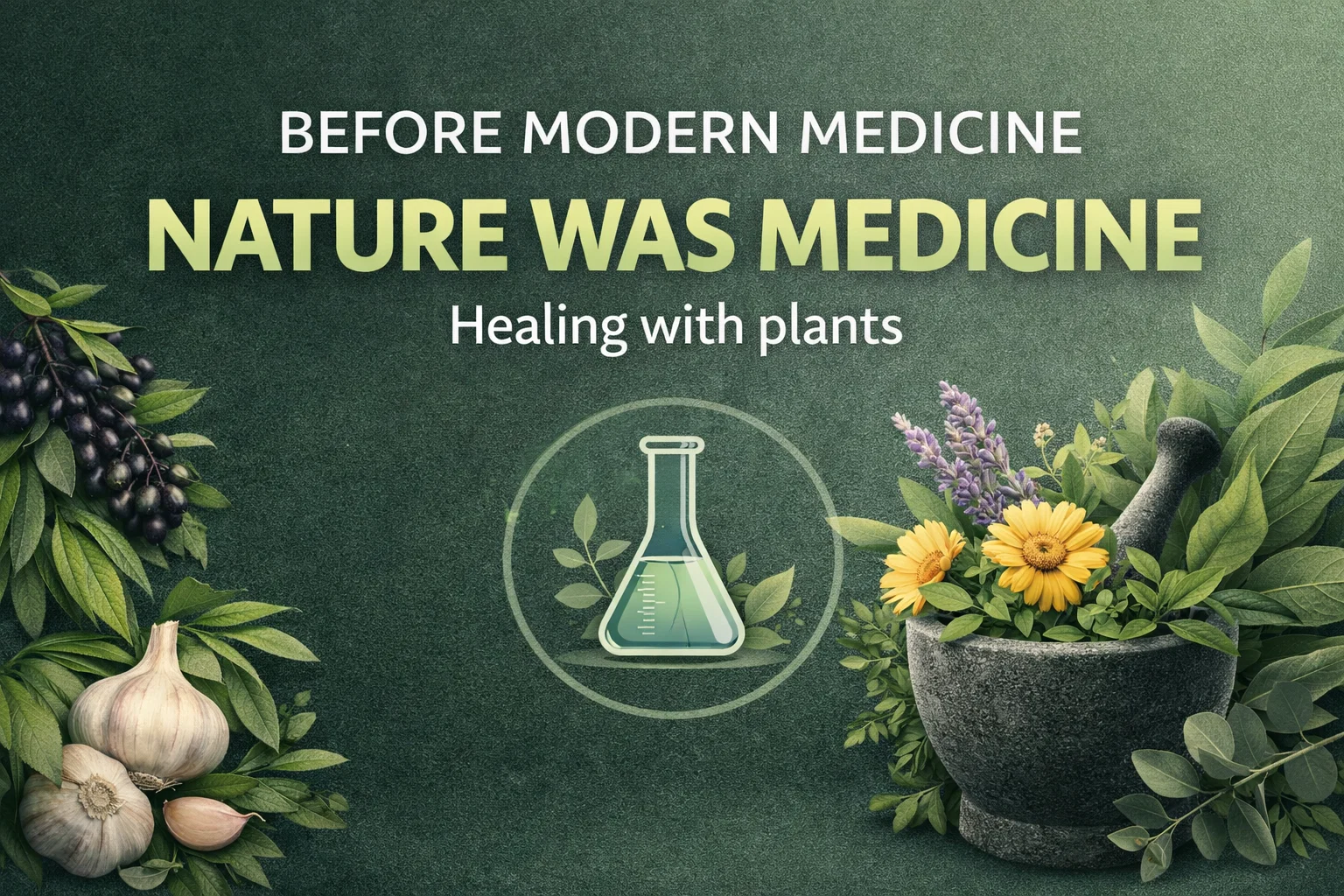
Natural Plant Remedies Holistic Herbal Medicine
Have you ever stopped to think about what people did before the convenience of modern medicine cabinets? Long before scientists synthesized compounds in sterile laboratories, humanity relied on a vast, flourishing, and incredibly effective pharmacy provided entirely by the earth. Our ancestors possessed a deep, intuitive understanding of botany and the healing properties of the plants growing all around them. Today, we are witnessing a beautiful resurgence of this ancient wisdom. More and more people are turning back to nature, seeking out holistic remedies and gentle, earth-based solutions to support their everyday health and wellness.
This return to herbalism is not about rejecting modern science. Rather, it is about reclaiming our connection to the natural world and empowering ourselves with knowledge that has been passed down through generations. Many of the most common over the counter medications we use today actually have their roots in plant compounds. By understanding these origins, we can begin to build our own natural apothecaries, treating minor ailments with the very plants that inspired modern pharmaceuticals.
The Wisdom of Traditional Plant Medicine
For thousands of years, traditional healers, herbalists, and wise ancestors observed how different plants interacted with the human body. They meticulously documented which leaves soothed a sting, which roots calmed a fever, and which flowers brought restful sleep. This rich tapestry of knowledge forms the foundation of holistic healing today.
When we choose a plant based remedy, we are often getting more than just an isolated active ingredient. Plants offer a complex matrix of vitamins, minerals, and co-factors that work synergistically. This holistic approach often means that natural remedies work gently with the body’s natural processes, supporting overall balance and vitality rather than simply suppressing a single symptom. Let us explore some of the most powerful and historically significant plant alternatives to the products we commonly find in modern pharmacies.
Nature’s Alternatives for Pain and Inflammation
Willow Bark: The Original Aspirin
Long before aspirin became a household name, people reached for the bark of the white willow tree to ease their pain. Willow bark contains a natural compound called salicin. When consumed, the body converts salicin into salicylic acid, which is the very same active pain relieving and anti-inflammatory agent found in synthetic aspirin. Traditional herbalists have used willow bark teas and tinctures for centuries to alleviate headaches, lower fevers, and soothe joint discomfort, offering a natural way to manage inflammation without the harsh additives found in some modern pills.
Arnica: The Natural Pain Balm
If you peek into a conventional first aid kit, you will likely find a tube of synthetic muscle rub. In the natural world, arnica takes the crown for treating physical trauma. The bright yellow flowers of the arnica plant have been infused into oils and salves for generations. When applied topically to bruises, sprains, and sore muscles, arnica works to stimulate circulation and reduce localized swelling. It is a staple for any natural healing toolkit and a favorite among those who create their own homemade herbal body care products.
Feverfew: Traditional Migraine Support
Migraines can be debilitating, and modern medicine offers various heavy duty tablets for relief. Historically, feverfew was the go-to plant for intense headaches and migraines. This daisy-like flower contains a compound called parthenolide, which is believed to help prevent the blood vessel constriction and inflammation in the brain that triggers migraines. Many holistic practitioners recommend taking feverfew daily as a preventative measure to reduce the frequency and severity of these intense headaches.
Clove: The Herbal Toothache Gel
A sudden toothache can send anyone running for an over the counter numbing gel. However, the humble clove bud holds a powerful secret called eugenol. Eugenol is a natural anesthetic and antibacterial agent. For centuries, placing a whole clove against a painful tooth or applying a tiny drop of diluted clove essential oil has provided rapid, localized numbing and pain relief while actively fighting off oral bacteria.
Natural Solutions for Colds, Coughs, and Immunity
Elderberry: The Ancestral Cough Syrup
Modern cough syrups are often filled with artificial colors, synthetic flavors, and high fructose corn syrup. The traditional alternative is the deep, dark, and delicious elderberry. Rich in antioxidants and vitamins, elderberries have been proven to support the immune system and inhibit the replication of certain viruses. Making a homemade elderberry syrup with raw honey and warming spices like cinnamon and ginger is a fantastic, immune boosting tradition to start in your own kitchen every winter.
Eucalyptus: The Forest’s Vapor Rub
When chest congestion strikes, the strong, penetrating scent of commercial vapor rubs is a familiar comfort. That signature scent actually comes from eucalyptus. The leaves of the eucalyptus tree are packed with volatile oils that naturally open up the respiratory pathways, loosen mucus, and ease breathing. Steam inhalations with fresh eucalyptus leaves or pure essential oil offer a purely natural way to clear the sinuses without spreading petroleum jelly on your skin.
Wild Cherry Bark: Soothing Cold Medicine
Wild cherry bark has a long history in Native American herbalism as a powerful remedy for respiratory complaints. It acts as a natural expectorant and a mild sedative for the respiratory nerves, making it incredibly effective at calming persistent, dry, and irritated coughs. It was commonly brewed into teas or crafted into soothing herbal syrups long before the advent of colorful, lab created cold medicines.
Garlic: Nature’s Antibiotic
Before the discovery of penicillin, garlic was one of the most potent weapons against infection. When a garlic clove is crushed or chewed, it releases allicin, a powerful sulfur compound with broad spectrum antibacterial, antiviral, and antifungal properties. Incorporating raw, freshly crushed garlic into your daily meals is an excellent way to support your immune system and ward off unwanted microbes naturally.
Earth’s First Aid and Skin Healing Remedies
Plantain Leaf: The Forager’s Band-Aid
You have likely walked past broadleaf plantain growing right in your own backyard or local park. Often dismissed as a common weed, plantain is actually one of the best first aid plants on earth. It has incredible drawing properties, meaning it can help pull toxins from insect bites and bee stings. When the fresh leaf is chewed or mashed into a poultice and applied to a minor cut or scrape, it acts as a natural, soothing bandage that promotes rapid cellular repair and stops bleeding.
Calendula: Gentle Eczema and Skin Cream
For irritated skin, rashes, and eczema, modern medicine offers steroid creams. Nature offers the vibrant, golden petals of the calendula flower. Calendula is renowned for its vulnerability properties, meaning it accelerates the healing of the skin. Infusing calendula into a carrier oil like olive or sweet almond oil creates a deeply nourishing base for DIY lip balms, salves, and body butters that soothe redness and promote healthy skin regeneration without any harsh chemicals.
Rosehip Oil: The Botanical Scar Treatment
Instead of relying on synthetic scar reduction gels, holistic skincare enthusiasts turn to rosehip seed oil. Harvested from the fruit that remains after a wild rose has bloomed, this oil is a powerhouse of essential fatty acids and naturally occurring Vitamin A and Vitamin C. These nutrients work harmoniously to fade hyperpigmentation, smooth uneven texture, and deeply hydrate the skin, making it a luxurious and effective natural treatment for scars and fine lines.
Thyme: The Garden Disinfectant
Chemical disinfectants are a staple in modern homes, but thyme provides a robust, plant based alternative. Thyme contains thymol, a potent antiseptic compound. Historically, strong infusions of thyme were used to wash wounds, clean sickrooms, and purify the air. Today, you can use thyme tea as a gentle, natural wash for minor scrapes or even incorporate thyme essential oil into your DIY household cleaning sprays.
Herbal Support for Sleep, Stress, and Vitality
Lavender: The Aromatic Sleep Aid
Insomnia and restlessness often lead people toward pharmaceutical sleep aids, which can leave you feeling groggy the next day. Lavender has been cherished for centuries as a gentle nervine relaxant. The scent of lavender physically slows down the nervous system, lowers the heart rate, and promotes a state of deep relaxation. A cup of lavender tea, a sprig under your pillow, or a soothing herbal bath before bed can naturally prepare your body for a restorative night of sleep.
Chamomile: The Gentle Anxiety Soother
When daily stress and anxiety bubble up, reaching for a prescription is not the only option. Chamomile is one of the safest and most beloved herbs for nervous tension. It contains an antioxidant called apigenin, which binds to specific receptors in your brain that may decrease anxiety and initiate sleep. A warm cup of chamomile tea is like a comforting hug for your nervous system, offering gentle grounding during chaotic days.
Valerian Root: Nature’s Muscle Relaxant
For deep, physical tension and severe sleep disturbances, valerian root is a powerful ally. Its strong, earthy aroma might be an acquired taste, but its effectiveness is undeniable. Valerian interacts with gamma-aminobutyric acid receptors in the brain, helping to block nerve transmissions that cause muscle spasms and anxiety. It acts as a profound natural muscle relaxant and sedative, providing relief without the addictive properties of synthetic alternatives.
Ginseng: The Earth’s Energy Drink
When the mid afternoon slump hits, it is tempting to grab a neon colored energy drink loaded with caffeine and sugar. Traditional Chinese medicine has a much more balanced solution in the form of ginseng. As a powerful adaptogen, ginseng helps the body resist physical and mental stress while gradually building sustained, grounded energy and vitality. It supports stamina and cognitive focus without the inevitable crash that follows artificial stimulants.
Supporting Digestion the Traditional Way
Sauerkraut: The Original Probiotic
Modern marketing will have you believe that probiotics only come in expensive capsules. Long before these pills existed, our ancestors maintained incredibly robust gut microbiomes through the regular consumption of fermented foods like sauerkraut. The fermentation process creates an environment where beneficial lactobacillus bacteria thrive. Eating a small portion of raw, unpasteurized sauerkraut daily provides your digestive system with billions of living, health promoting bacteria that support digestion and immunity.
Nettle Leaf: The Herbal Iron Pill
Anemia and low iron are frequently treated with synthetic iron supplements that can cause significant digestive distress. Stinging nettle, however, is a nutritional powerhouse. Once the stinging hairs are deactivated by drying or boiling, nettle leaf becomes a deeply nourishing food and medicine. It is incredibly rich in easily absorbable iron, calcium, magnesium, and a spectrum of vitamins. Drinking strong nettle infusions is a traditional way to build the blood, increase energy, and restore mineral balance naturally.
Embracing the Earth’s Healing Legacy
Building a life aligned with holistic health does not happen overnight, but every small step toward natural remedies is a step toward profound wellness. By exploring these traditional plants, we honor the wisdom of the past and take an active, educated role in our own healing journeys.
Whether you are blending up a batch of elderberry syrup for the winter, infusing calendula oil for your next DIY skincare project, or simply unwinding with a cup of chamomile tea, you are participating in a timeless tradition. Before everything came from a laboratory, it came from the earth. The plants are still here, waiting to share their healing magic with us. All we have to do is reach out, learn, and invite nature back into our apothecaries.