Natural Remedies to Increase Kidney Function Lower Creatinine
Maintaining optimal kidney health is one of the most vital components of a long and vibrant life. These bean shaped organs work tirelessly behind the scenes to filter waste, balance fluids, and regulate blood pressure. While many people only think about their kidneys when a problem arises, taking a proactive approach through natural remedies and dietary adjustments can make a world of difference. In this guide, we are diving deep into holistic strategies to increase kidney function and lower creatinine levels using simple ingredients you might already have in your pantry.
Understanding the Role of the Kidneys in Overall Wellness
The kidneys are the body’s primary filtration system. Every day, they process liters of blood to remove toxins and excess water, which eventually become urine. They also play a crucial role in producing hormones that manage red blood cell production and bone health. When kidney function begins to dip, as measured by markers like eGFR (estimated Glomerular Filtration Rate), waste products like creatinine and uric acid can build up in the bloodstream, leading to fatigue, swelling, and other health challenges.
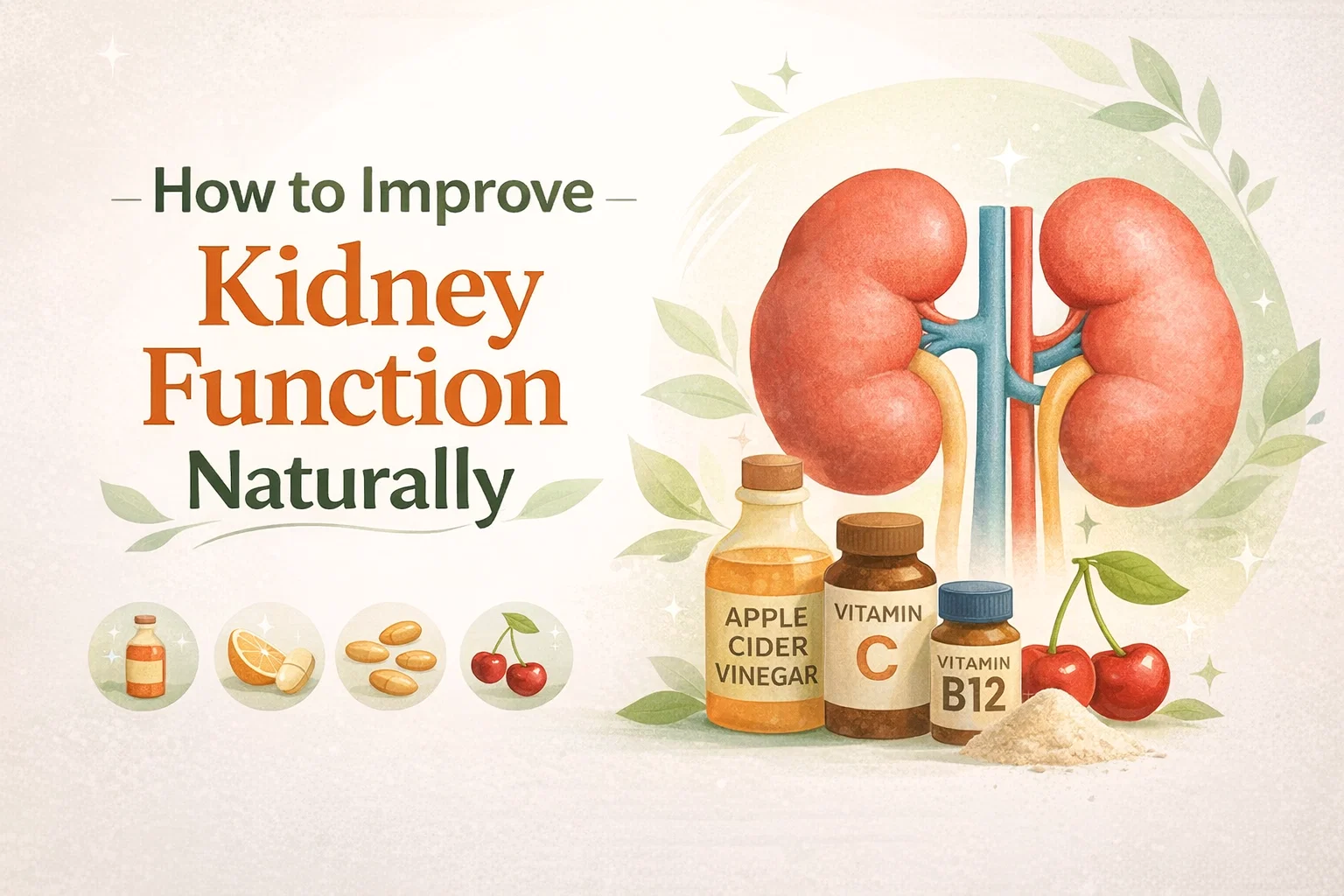
Adopting a kidney friendly lifestyle does not have to be overwhelming. By focusing on specific nutrients and natural compounds, you can provide your renal system with the support it needs to thrive. Let us explore the most effective remedies highlighted in the visual guide and how they impact your internal health.
Getty Images
Lowering Creatinine Levels Naturally
Creatinine is a waste product that comes from the normal wear and tear on muscles in the body. Typically, the kidneys filter it out and pass it out of the body through urine. High levels in the blood often indicate that the kidneys are not performing at their peak. There are several natural ways to help nudge these levels back into a healthy range.
The Power of Baking Soda
It might sound surprising, but simple baking soda (sodium bicarbonate) is often discussed in renal health circles. The kidneys naturally produce bicarbonate to neutralize acids in the body. When they are stressed, they may struggle to maintain this balance. Supplementing with small, controlled amounts of baking soda under professional guidance can help reduce the acidity in the blood, potentially slowing the progression of kidney issues and helping to lower creatinine.
Acacia Fiber for Renal Support
Acacia fiber is a soluble fiber that has gained popularity for its ability to act as a prebiotic. Beyond gut health, research suggests that acacia fiber can help the body excrete urea and creatinine through the digestive tract rather than putting the full burden on the kidneys. This “digestive dialysis” effect can be a gentle way to support renal clearance.
Regulating Blood Sugar and Phosphorus
Two of the biggest stressors on the kidneys are high blood sugar and an imbalance of minerals like phosphorus. Managing these levels is essential for preventing further damage and allowing the kidneys to heal.
Apple Cider Vinegar and Glycemic Control
Apple cider vinegar is a staple in the world of natural health. One of its primary benefits for the kidneys is its ability to improve insulin sensitivity and lower blood sugar levels after meals. Since high glucose levels can damage the delicate filters within the kidneys over time, incorporating a bit of apple cider vinegar into your routine can act as a protective shield.
The Role of Tums and Calcium Carbonate
While often used for heartburn, calcium carbonate (found in products like Tums) is sometimes used as a phosphate binder. High phosphorus levels are common when kidney function is low, and this can lead to bone and heart issues. By taking a binder with meals, you can prevent your body from absorbing too much phosphorus, thereby reducing the workload on your kidneys. However, it is always important to monitor calcium intake to ensure it stays within a safe range.
Essential Vitamins and Supplements for Kidney Vitality
Sometimes the kidneys need a targeted boost of specific micronutrients to function efficiently. Certain vitamins and enzymes play a direct role in cellular energy and waste management.
CoQ10 and eGFR Improvement
Coenzyme Q10 is a powerful antioxidant that the body uses for cell growth and maintenance. Studies have shown that CoQ10 can significantly improve eGFR levels in individuals with chronic kidney issues. It works by reducing oxidative stress and improving the energy production within the cells of the kidneys, allowing them to filter blood more effectively.
Vitamin C and Uric Acid
Uric acid is another waste product that the kidneys must process. When it builds up, it can cause kidney stones or gout. Vitamin C has been shown to help lower uric acid levels in the blood, making it easier for the kidneys to stay clear and functional. Just be sure to stick to moderate doses, as excessive Vitamin C can occasionally lead to oxalate stones in sensitive individuals.
Vitamin B12 and Hemoglobin Production
The kidneys produce a hormone called erythropoietin, which tells the body to make red blood cells. When kidney function is low, hemoglobin levels often drop, leading to anemia. Supplementing with Vitamin B12 helps support the production of healthy red blood cells, ensuring your body stays energized even while you are working on improving your renal health.
Kidney Friendly Foods to Add to Your Diet
Diet is perhaps the most powerful tool in your natural remedy toolkit. Choosing foods that are low in potassium and phosphorus but high in antioxidants is the way to go.
- Cherries: These delicious fruits are packed with anthocyanins, which have anti-inflammatory properties. They help reduce inflammation in the kidneys and are a great low potassium fruit choice.
- Cranberries: Known for preventing urinary tract infections, cranberries also help keep the kidneys clear of bacteria and mineral buildup.
- Blueberries: High in fiber and Vitamin C, these berries protect the kidneys from oxidative damage.
Practical Steps to Incorporate These Remedies
Knowing what helps is one thing, but implementing it is another. Start by picking one or two items from the list that feel easy to manage. You might start by adding a tablespoon of apple cider vinegar to a large glass of water in the morning, or by swapping a high phosphorus snack for a bowl of fresh cherries.
Hydration is Key
No amount of supplements can replace the importance of water. Staying hydrated helps the kidneys flush out the very toxins we are trying to lower, like creatinine and uric acid. Aim for consistent water intake throughout the day rather than drinking large amounts all at once. This keeps a steady flow through the renal system without overworking it.
Monitor and Test
If you are serious about increasing your kidney function, it is helpful to keep track of your lab results. Knowing your current eGFR and creatinine levels gives you a baseline to see how these natural remedies are working for you over time. Always share your supplement plan with a healthcare provider to ensure everything aligns with your specific needs.
Conclusion
Improving kidney function is a journey that involves a combination of smart dietary choices, targeted supplementation, and lifestyle adjustments. From the acid neutralizing power of baking soda to the antioxidant benefits of CoQ10 and cherries, nature provides us with an incredible array of tools to support our renal health. By focusing on lowering creatinine, managing blood sugar, and reducing oxidative stress, you can help your kidneys perform their vital duties with much more ease. Remember that consistency is the most important ingredient in any natural health protocol. Start small, listen to your body, and enjoy the process of nourishing your organs from the inside out. Save these tips to your wellness board and take the first step toward better kidney health today.
Would you like me to generate a meta description or a list of tags to go along with this WordPress post?