Natural Ways to Boost Your Happy Hormones Dopamine, Serotonin, Oxytocin, and Endorphins
Have you ever had one of those days where everything just clicks? You wake up feeling energized, your focus is laser-sharp, and even a stressful meeting can’t dampen your mood. On the flip side, we all know the feeling of a mental fog that just won’t lift, regardless of how much coffee we drink. While we often attribute these shifts to external luck, the truth is much more scientific. Your daily experience is largely dictated by a delicate chemical dance happening inside your brain. These biological messengers, known as neurotransmitters, are the true architects of your happiness, motivation, and peace of mind.
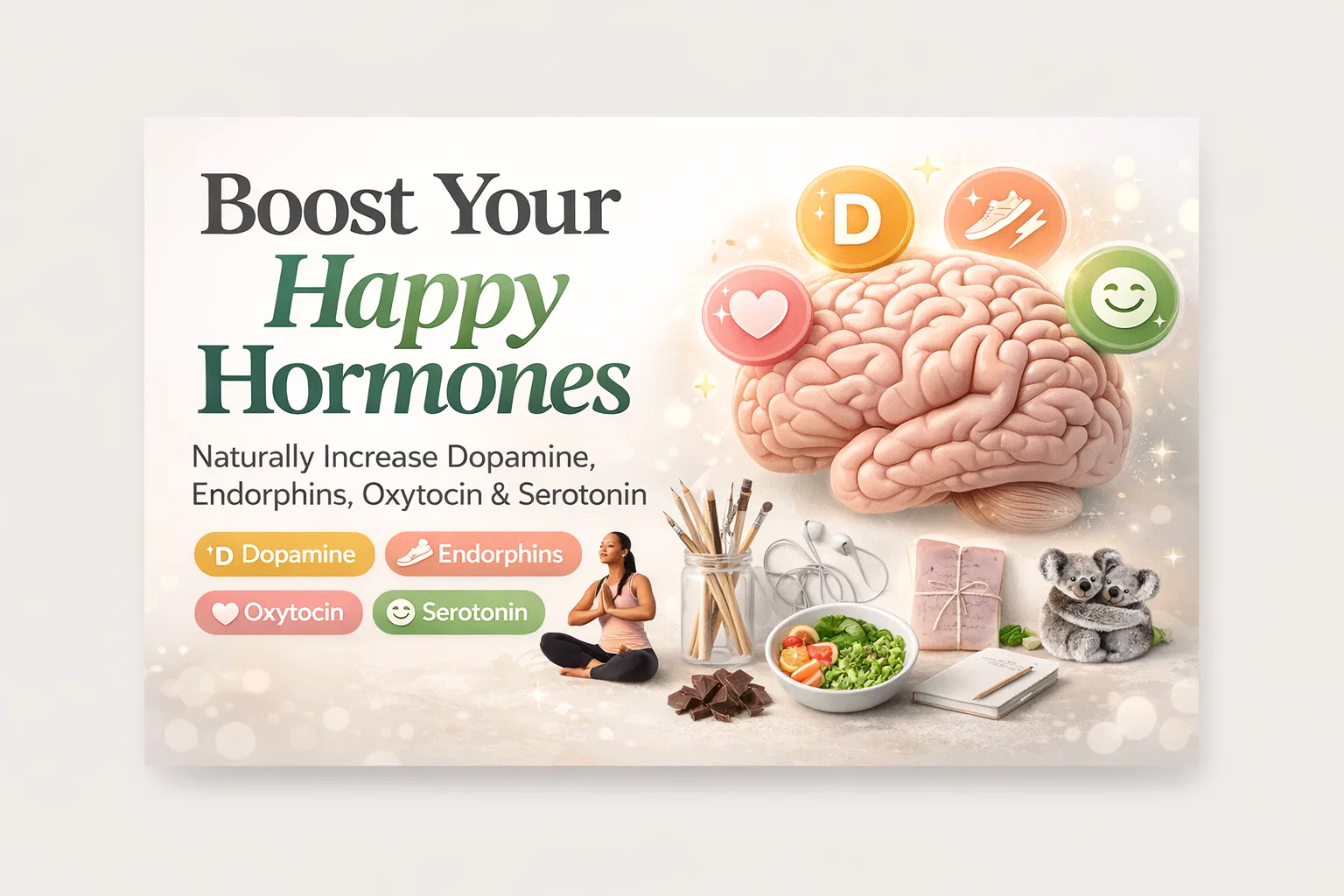
Understanding how to influence these chemicals naturally is like having a remote control for your own well-being. Instead of waiting for a good mood to strike, you can implement specific, evidence-based habits to trigger the release of what many call the “Big Four” happy hormones: Dopamine, Oxytocin, Serotonin, and Endorphins. By mastering this internal chemistry, you move from being a passive observer of your emotions to an active participant in your mental health journey. Let’s dive deep into how these chemicals work and the simple, holistic lifestyle changes you can make today to optimize them.
Dopamine: The Molecule of Motivation and Reward
Dopamine is often misunderstood as the “pleasure chemical,” but its role is actually much more complex. It is primarily responsible for motivation, drive, and the “reward” sensation we get when we achieve a goal. Think of dopamine as the engine that pushes you to take action. When you tick an item off your to-do list or learn a new skill, that surge of satisfaction you feel is dopamine at work.
How to Boost Dopamine Naturally
To keep your dopamine levels healthy, you want to focus on activities that involve growth and achievement. Here are the most effective ways to keep the “reward center” of your brain firing:
- Embrace Creativity: Whether it is painting, writing, or building something with your hands, the process of creation is a massive dopamine trigger. It requires focus and provides a sense of accomplishment as the project evolves.
- Continuous Learning: Picking up a new hobby or researching a topic you are passionate about keeps the brain engaged. The “aha!” moment when you finally understand a difficult concept is essentially a dopamine hit.
- Listen to Music: Research shows that listening to music you enjoy can increase dopamine levels significantly. It stimulates the same pleasure centers in the brain as delicious food.
- Set Micro-Goals: Instead of focusing only on giant life milestones, break your day into small, achievable tasks. Every time you complete one, your brain releases a small amount of dopamine, reinforcing your productive behavior.
Oxytocin: The Bonding Hormone
Often referred to as the “cuddle hormone” or “love hormone,” oxytocin is the chemical foundation of our social lives. It is released during physical touch, social interactions, and even through acts of kindness. Oxytocin is what allows us to feel trust, empathy, and a sense of belonging within our communities. In an increasingly digital world, many of us are unknowingly deficient in this vital chemical, leading to feelings of isolation.
Cultivating Connection and Trust
Boosting oxytocin doesn’t require a romantic partner; it’s about human connection in all its forms. You can increase your levels through simple daily interactions:
- Prioritize Socializing: Real, face-to-face interaction is far more powerful than digital communication. Grabbing a coffee with a friend or having a meaningful conversation with a colleague can dramatically lift your oxytocin levels.
- The Power of a Hug: Physical touch is the most direct way to trigger oxytocin. A long hug with a loved one or even petting a dog or cat can lower your heart rate and reduce cortisol (the stress hormone).
- Perform Random Acts of Kindness: Interestingly, oxytocin is released not just when you receive kindness, but when you give it. Helping a neighbor or sending an encouraging text to a friend creates a “helpers high” that benefits both parties.
- Active Listening: Giving someone your full attention during a conversation builds trust and strengthens the bond, leading to a steady release of oxytocin for both people involved.
Serotonin: The Mood Stabilizer
If dopamine is the engine, serotonin is the stabilizer. It is responsible for regulating your overall mood, sleep, and appetite. When your serotonin levels are balanced, you feel calm, focused, and emotionally stable. Low levels of serotonin are frequently linked to feelings of anxiety and depression. Interestingly, a vast majority of the body’s serotonin is produced in the gut, which highlights the critical connection between what we eat and how we feel.
Stabilizing Your Mood Through Lifestyle
Since serotonin is so closely tied to our physical state, the best ways to boost it involve taking care of your body’s basic needs:
- Practice Meditation and Mindfulness: Meditation helps quiet the “noise” in the brain and has been shown to increase serotonin production over time. It trains your brain to remain in the present moment rather than spiraling into future anxieties.
- The Clean Diet Connection: Focus on whole foods, healthy fats, and complex carbohydrates. Tryptophan is an amino acid that the body uses to produce serotonin, and it can be found in foods like eggs, cheese, turkey, and nuts.
- Daily Gratitude: Taking time to reflect on what you are grateful for shifts your brain’s focus from what is lacking to what is abundant. This simple shift in perspective can have a measurable impact on your serotonin levels.
- Get Some Sunlight: Exposure to natural light, especially in the morning, tells your brain to start producing serotonin. Even a 10-minute walk outside can make a world of difference for your emotional health.
Endorphins: The Natural Painkiller
Endorphins are the body’s natural response to pain and stress. They are chemically similar to opiates and work by blocking pain signals in the nervous system. While we often associate them with the “runner’s high,” you don’t need to run a marathon to experience their benefits. Endorphins are what help us push through discomfort and find joy even in challenging moments.
Triggering Your Internal Relief System
You can activate your endorphins by pushing your physical limits or engaging in activities that bring sudden, intense joy:
- Regular Exercise: Any form of movement that gets your heart rate up will trigger an endorphin release. Whether it is yoga, weightlifting, or a brisk walk, the physical exertion acts as a positive stressor that the body rewards with a “high.”
- Laughter is Medicine: Deep, belly-aching laughter is one of the fastest ways to release endorphins. Watch a comedy, spend time with a funny friend, or simply look for the humor in everyday situations.
- Indulge in Dark Chocolate: Dark chocolate contains compounds that trigger the brain to release endorphins. It’s the perfect excuse for a small, healthy treat after a long day.
- Spicy Foods: Believe it or not, the “burn” from spicy food triggers an endorphin release as your body tries to mitigate the perceived pain.
Creating a Balanced “Happy Hormone” Routine
While it is tempting to focus on just one area, the key to long-term wellness is balance. You don’t want a massive spike in dopamine followed by a crash, nor do you want to be so relaxed from serotonin that you lose your drive. The goal is to create a lifestyle that gently nurtures all four chemicals throughout the day.
A Sample Daily Schedule for Brain Health
Imagine a day structured around your biology. You wake up and spend five minutes in meditation (Serotonin), followed by a clean breakfast with eggs and avocado (Serotonin). During your workday, you break your large projects into small tasks to stay motivated (Dopamine). In the afternoon, you take a brisk walk outside (Endorphins and Serotonin). In the evening, you spend quality time socializing with family or friends (Oxytocin) and end the night by writing in a gratitude journal (Serotonin).
This holistic approach ensures that you aren’t relying on one single “fix” for your happiness. Instead, you are building a resilient foundation that can handle the ups and downs of life with grace and energy.
Conclusion: Empowering Your Mental Health Journey
The beauty of understanding your brain chemistry is the realization that you have more control than you think. While genetics and life circumstances certainly play a role, your daily habits are the tools you use to sculpt your internal landscape. By choosing to eat well, move your body, connect with others, and practice gratitude, you are essentially providing your brain with the raw materials it needs to thrive.
Start small. You don’t need to overhaul your entire life in twenty-four hours. Perhaps today you choose to take a longer hug with a loved one, or maybe you finally start that creative project you have been putting off. Every small action is a signal to your brain that your well-being is a priority. Over time, these small signals turn into powerful habits, and those habits turn into a happier, healthier, and more vibrant life. Your brain is ready to support you; you just have to give it the right triggers.
Which of the “Big Four” will you focus on today? Whether it is a dopamine-boosting hobby or a serotonin-focused meal, take that first step toward a balanced mind. Your future self will thank you for it!