Non-Toxic Kitchen Essentials Aesthetic Holistic Home Finds Eco-Friendly Kitchen Gadgets
Creating a healthy home environment starts in the heart of the house: the kitchen. While we often focus on the organic ingredients we put into our bodies, the tools and cleaners we use to prepare those meals are just as important. A non-toxic kitchen is about more than just aesthetics; it is about reducing your daily exposure to endocrine disruptors, heavy metals, and synthetic fragrances. Transitioning to a low-tox lifestyle can feel overwhelming at first, but focusing on sustainable, high-quality swaps makes the process both manageable and rewarding.
The Foundation of a Non-Toxic Kitchen
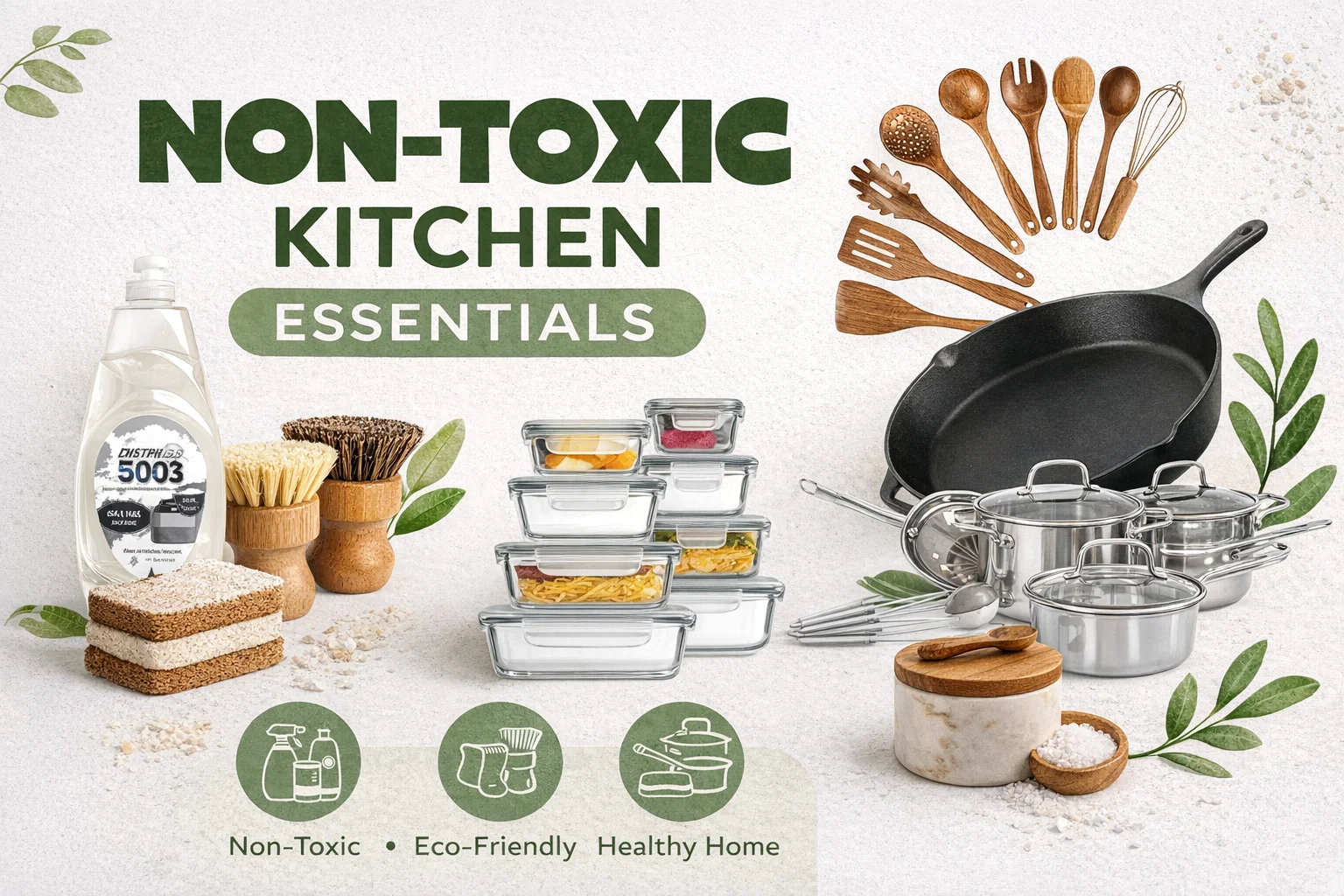
The journey toward a cleaner home often begins with the surfaces that touch our food every single day. Traditional non-stick pans and plastic storage containers are common sources of chemical leaching. By choosing materials like cast iron, stainless steel, and glass, you are investing in items that are not only safer for your health but also built to last a lifetime. These materials do not off-gas toxic fumes at high temperatures and do not shed microplastics into your leftovers.
Mastering Cast Iron and Stainless Steel
Cast iron cookware is a staple in any holistic kitchen. It is naturally non-stick when seasoned properly and provides a boost of iron to your meals. Unlike Teflon-coated pans, cast iron can withstand incredibly high heat without releasing harmful chemicals. Similarly, stainless steel is a versatile and durable option. It is non-reactive, meaning you can cook acidic foods like tomato sauce without worrying about metallic tastes or chemical migration. These pieces are the workhorses of a sustainable kitchen, proving that traditional methods are often the most effective for modern wellness.
Safe Food Storage Solutions
Replacing plastic tupperware with glass storage containers is one of the most impactful changes you can make. Glass is non-porous, so it won’t absorb smells or stains from your food. More importantly, it is safe to microwave and wash in the dishwasher without the risk of BPA or phthalates leaching into your meals. For a truly organized and healthy pantry, using glass jars for dry goods also helps reduce food waste and keeps your ingredients fresh for longer periods.
Eco-Friendly Cleaning and Dish Care
Cleaning products are a hidden source of indoor air pollution. Many conventional dish soaps and dishwasher pods contain synthetic dyes, phosphates, and artificial fragrances that can irritate the skin and respiratory system. Moving toward plant-based, biodegradable options ensures that your dishes are clean without leaving behind a chemical residue.
Plant-Based Dish Soaps and Pods
The move toward “human-safe” cleaning is gaining momentum for a reason. Brands that prioritize transparency use mineral-based and plant-derived ingredients to break down grease and grime. Look for unscented or essential oil-scented products to avoid the “fragrance” loophole, where companies can hide hundreds of chemicals under a single label. Using plastic-free dishwasher pods also helps reduce the amount of microplastics entering our water systems, making your cleaning routine better for your family and the planet.
Natural Scrubbers and Sustainable Tools
Traditional yellow-and-green sponges are typically made of synthetic foam and polyester, which shed microplastics every time you wash a plate. Switching to biodegradable sponges made from wood pulp or coconut husk is a simple way to reduce waste. Bamboo scrubbers are another fantastic alternative. Bamboo is naturally antimicrobial and incredibly renewable. These brushes are tough enough to scrub cast iron but gentle enough for delicate glassware, and they look beautiful sitting by your sink.
Small Details with a Big Impact
Wellness is found in the details. Even the way we season our food and store our utensils can contribute to a lower toxic load. Choosing natural materials like wood, marble, and high-quality salt can elevate your kitchen experience while keeping it grounded in nature.
The Beauty of Wood and Marble
Teak wood utensils are a favorite in the non-toxic community because teak is rich in natural oils, making it highly resistant to water and bacteria. Unlike plastic spatulas, wooden tools won’t melt or leach chemicals when exposed to heat. To complement these tools, marble containers offer a cool, non-reactive environment for storing salt or spices. These natural stone and wood elements bring a sense of calm and organic beauty to the kitchen space.
Choosing Mineral-Rich Sea Salt
Not all salt is created equal. Many standard table salts are highly processed and contain anti-caking agents like sodium aluminosilicate. Switching to a mineral-rich sea salt ensures you are getting trace minerals like magnesium and potassium without the unnecessary additives. Storing your salt in a marble cellar makes it easy to grab a pinch while cooking, turning a simple task into a mindful ritual.
Creating a Multi-Purpose Cleaning Routine
You don’t need a different chemical cleaner for every surface in your home. A high-quality, non-toxic multi-purpose cleaner can handle everything from countertops to windows. Look for concentrates that you can mix with water in reusable glass spray bottles. This reduces plastic waste and ensures you aren’t breathing in harsh fumes while you tidy up. Ingredients like citric acid, baking soda, and essential oils are incredibly effective at disinfecting and degreasing without the need for bleach or ammonia.
The Benefits of Concentrated Cleaners
Using a concentrate is a game-changer for a sustainable home. It allows you to control the strength of the solution and significantly reduces the carbon footprint associated with shipping heavy, water-filled bottles. When you use a “human-safe” multi-purpose cleaner, you can feel confident cleaning surfaces where food is prepared, knowing that no toxic film is left behind for your family to encounter.
Sustainable Habits for a Healthier Home
Transitioning to a non-toxic kitchen is a journey of many small steps. It is not about throwing everything away at once, but rather about making better choices as things need to be replaced. When your old plastic spatula melts, replace it with wood. When your dish soap runs out, try a plant-based refill. Over time, these individual choices culminate in a space that supports your health and reflects your values.
Reducing Waste and Toxins Simultaneously
Many non-toxic swaps are also zero-waste swaps. By choosing bamboo brushes, glass containers, and biodegradable sponges, you are significantly reducing the amount of trash your household sends to the landfill. A non-toxic kitchen is inherently a more sustainable one. It fosters a connection to the materials we use and encourages us to care for our tools so they last for years instead of weeks.
Conclusion: Your Path to a Low-Tox Kitchen
Building a non-toxic kitchen is one of the most rewarding projects you can undertake for your personal wellness. By surrounding yourself with natural materials like wood, glass, and cast iron, you create a sanctuary that is free from hidden hazards. These “finds” are more than just kitchen gadgets; they are investments in your long-term health and the health of the environment. Start with one swap today, whether it is a new set of bamboo scrubbers or a bag of mineral sea salt, and enjoy the peace of mind that comes with a truly clean kitchen.