Personality Disorders Chart AP Psychology Unit 5 Cluster A, B, C Reference Guide
Understanding the complexities of the human mind is one of the most fascinating aspects of psychology. When it comes to personality disorders, the landscape can often feel overwhelming due to the overlapping symptoms and varied clinical presentations. However, the Diagnostic and Statistical Manual of Mental Disorders (DSM-5) provides a structured framework to help students and professionals categorize these conditions into three distinct groups: Cluster A, Cluster B, and Cluster C. This organizational tool is not just for passing the AP Psychology exam; it is a vital resource for anyone entering the healthcare or mental health fields.
By breaking down these personality types into specific clusters, we can better understand the core behaviors that define them. Whether you are a nursing student looking for a quick lab-side reference or a psychology enthusiast diving deep into Unit 5, having a clear visual chart is the first step toward mastery. In this guide, we will explore the nuances of each cluster, providing the clinical context and real-world examples you need to identify these patterns effectively.
What Are Personality Disorders?
Before diving into the specific clusters, it is essential to define what a personality disorder actually is. Unlike temporary mental health struggles like a bout of anxiety or a depressive episode, a personality disorder is an enduring pattern of inner experience and behavior that deviates markedly from the expectations of the individual’s culture. These patterns are pervasive, inflexible, and stable over time, usually beginning in adolescence or early adulthood.
For a diagnosis to be made, these traits must lead to significant distress or impairment in social, occupational, or other important areas of functioning. Because these patterns are deeply ingrained in a person’s identity, they can be particularly challenging to treat. Understanding the clusters helps clinicians and students organize these ten distinct disorders into manageable groups based on shared characteristics.
Cluster A: The Odd and Eccentric Group
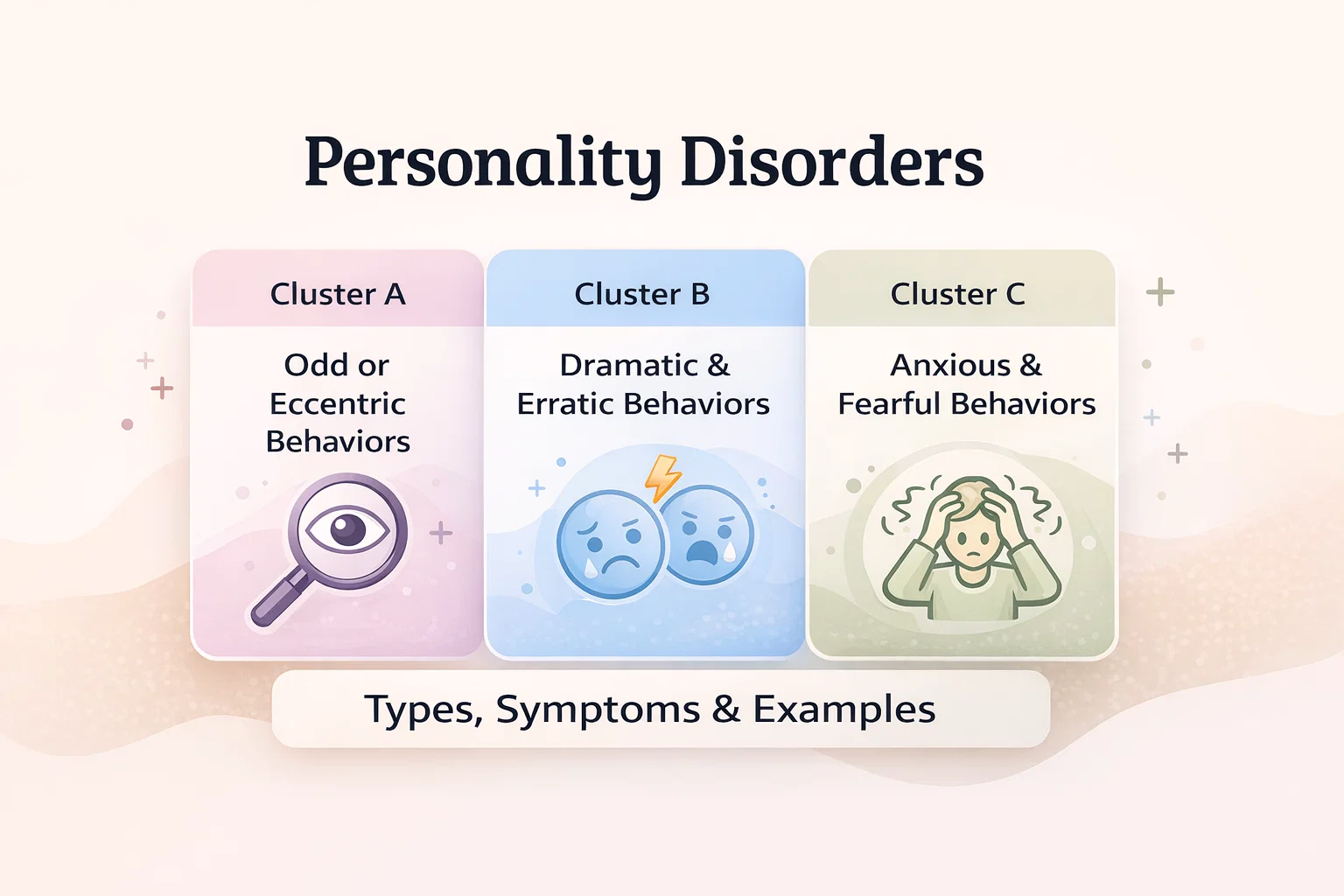
Cluster A is often characterized by behaviors that others might perceive as strange, peculiar, or socially detached. Individuals in this group frequently struggle with social relationships because their internal world is often colored by suspicion or a lack of interest in human connection. If you are studying for AP Psychology, remember that Cluster A is the “socially awkward” or “suspicious” group.
Paranoid Personality Disorder
At the heart of Paranoid Personality Disorder is a pervasive distrust and suspiciousness of others. These individuals often assume that people are out to harm, deceive, or exploit them, even when there is no evidence to support such claims. They may overanalyze casual remarks for hidden threats and hold grudges for long periods. In a clinical setting, building rapport with a patient with this disorder requires extreme patience and transparency.
Schizoid Personality Disorder
Schizoid Personality Disorder is characterized by a profound detachment from social relationships and a restricted range of emotional expression. Unlike someone with social anxiety who wants to connect but is afraid, an individual with Schizoid Personality Disorder simply has no desire for close relationships, including being part of a family. They often choose solitary activities and appear indifferent to praise or criticism.
Schizotypal Personality Disorder
This disorder is often seen as a milder version of schizophrenia, though it is distinct. Individuals with Schizotypal Personality Disorder experience acute discomfort in close relationships along with cognitive or perceptual distortions and eccentricities of behavior. They might believe in “magical thinking,” such as having the power to sense events before they happen, or they may dress in ways that appear highly unusual to others.
Cluster B: The Dramatic, Emotional, and Erratic Group
Cluster B is perhaps the most well-known group in popular culture. These disorders involve intense emotional swings, impulsive actions, and significant difficulties in maintaining stable relationships. For those in healthcare, Cluster B patients often require clear boundaries and a structured approach to care because their behaviors can be unpredictable and high-stakes.
Antisocial Personality Disorder
Often misunderstood, Antisocial Personality Disorder involves a pervasive pattern of disregard for, and violation of, the rights of others. This is the only personality disorder that requires evidence of Conduct Disorder before the age of 15. Key traits include lack of empathy, deceitfulness, impulsivity, and a failure to conform to social norms or laws. It is important to note that “antisocial” in this context does not mean “shy”; it means “against society.”
Borderline Personality Disorder (BPD)
BPD is defined by instability in interpersonal relationships, self-image, and affects, along with marked impulsivity. Individuals with BPD often experience an intense fear of abandonment and may go to extremes to avoid it. Their view of others can shift rapidly from idealization to devaluation, a phenomenon known as splitting. Because of the intense emotional pain associated with this disorder, it is frequently associated with self-harming behaviors and requires specialized therapy like Dialectical Behavior Therapy (DBT).
Histrionic Personality Disorder
Individuals with Histrionic Personality Disorder are characterized by excessive emotionality and a constant need for attention. They often feel uncomfortable when they are not the center of attention and may use their physical appearance or provocative behavior to draw others in. Their emotions may seem shallow or exaggerated, and they are highly suggestible, meaning they are easily influenced by others or current trends.
Narcissistic Personality Disorder
This disorder involves a long-term pattern of exaggerated self-importance, a need for excessive admiration, and a lack of empathy for others. While they may appear incredibly confident, this often masks a fragile self-esteem that is vulnerable to the slightest criticism. They may spend a lot of time fantasizing about power, success, or beauty and believe they deserve special treatment because they are unique.
Cluster C: The Anxious and Fearful Group
Cluster C personality disorders are defined by high levels of anxiety and a strong desire to avoid conflict or rejection. While everyone experiences anxiety at times, those with Cluster C disorders have patterns of behavior that revolve entirely around managing their fears, often at the expense of their personal growth or happiness.
Avoidant Personality Disorder
While Schizoid individuals avoid others because they want to be alone, Avoidant individuals avoid social contact because they are terrified of rejection, criticism, or embarrassment. They often feel socially inept and inferior to others. This disorder goes beyond simple shyness; it is a pervasive pattern of social inhibition that can prevent someone from pursuing career opportunities or romantic relationships.
Dependent Personality Disorder
This disorder involves an excessive need to be taken care of, leading to submissive and clinging behavior. Individuals with Dependent Personality Disorder often struggle to make everyday decisions without an excessive amount of advice and reassurance from others. They may remain in unhealthy relationships because they feel unable to care for themselves and fear being alone.
Obsessive-Compulsive Personality Disorder (OCPD)
It is crucial to distinguish OCPD from OCD (Obsessive-Compulsive Disorder). While OCD involves specific rituals and intrusive thoughts, OCPD is a personality style focused on perfectionism, orderliness, and control. These individuals are so preoccupied with details, rules, and schedules that the main point of an activity is often lost. They may be overly devoted to work and productivity, often to the exclusion of leisure activities and friendships.
Why the Cluster System Matters for Students
If you are a student preparing for an exam or a future career in medicine, the cluster system serves as a powerful mnemonic device. In the fast-paced environment of a clinic or a testing center, being able to mentally “file” a set of symptoms into Cluster A, B, or C can save time and improve accuracy.
- Cluster A (The Weird): Focus on social isolation and strange thought patterns.
- Cluster B (The Wild): Focus on emotional volatility and interpersonal drama.
- Cluster C (The Worried): Focus on anxiety, control, and fear of abandonment.
Beyond memorization, this classification helps in understanding comorbidity. It is common for a person to meet the criteria for more than one personality disorder within the same cluster. Recognizing these patterns allows for more comprehensive treatment plans that address the underlying temperament of the individual.
Clinical Considerations and Professional Tips
For those working in nursing or social work, interacting with individuals who have these disorders requires specific strategies. For example, when working with Cluster B patients, setting firm and consistent boundaries is the gold standard for maintaining a therapeutic environment. Conversely, when working with Cluster C patients, a gentle and encouraging approach can help them overcome their hesitations and engage in their care plan.
It is also helpful to keep a “cheat sheet” of laboratory values and diagnostic criteria. Personality disorders often coexist with other mental health conditions like depression or substance abuse, so a holistic view of the patient is always necessary. Utilizing visual aids, like the chart discussed today, ensures that you can quickly recall the defining traits of each disorder during a busy shift.
Final Thoughts on Personality Clusters
Navigating the world of personality disorders is a journey into the deepest parts of human behavior. By using the Cluster A, B, and C framework, we transform a complex list of symptoms into a logical and actionable guide. Whether you are using this for AP Psychology Unit 5 or as a professional reference in your medical career, understanding these categories is essential for providing empathetic and effective care.
Remember that these labels are tools to help us help people. While the categories are distinct, the human experience is fluid. Continued study and clinical experience will help you see the person behind the diagnosis, allowing for a more nuanced and compassionate understanding of mental health. Keep this reference handy for your next study session and continue exploring the amazing intricacies of the human mind.