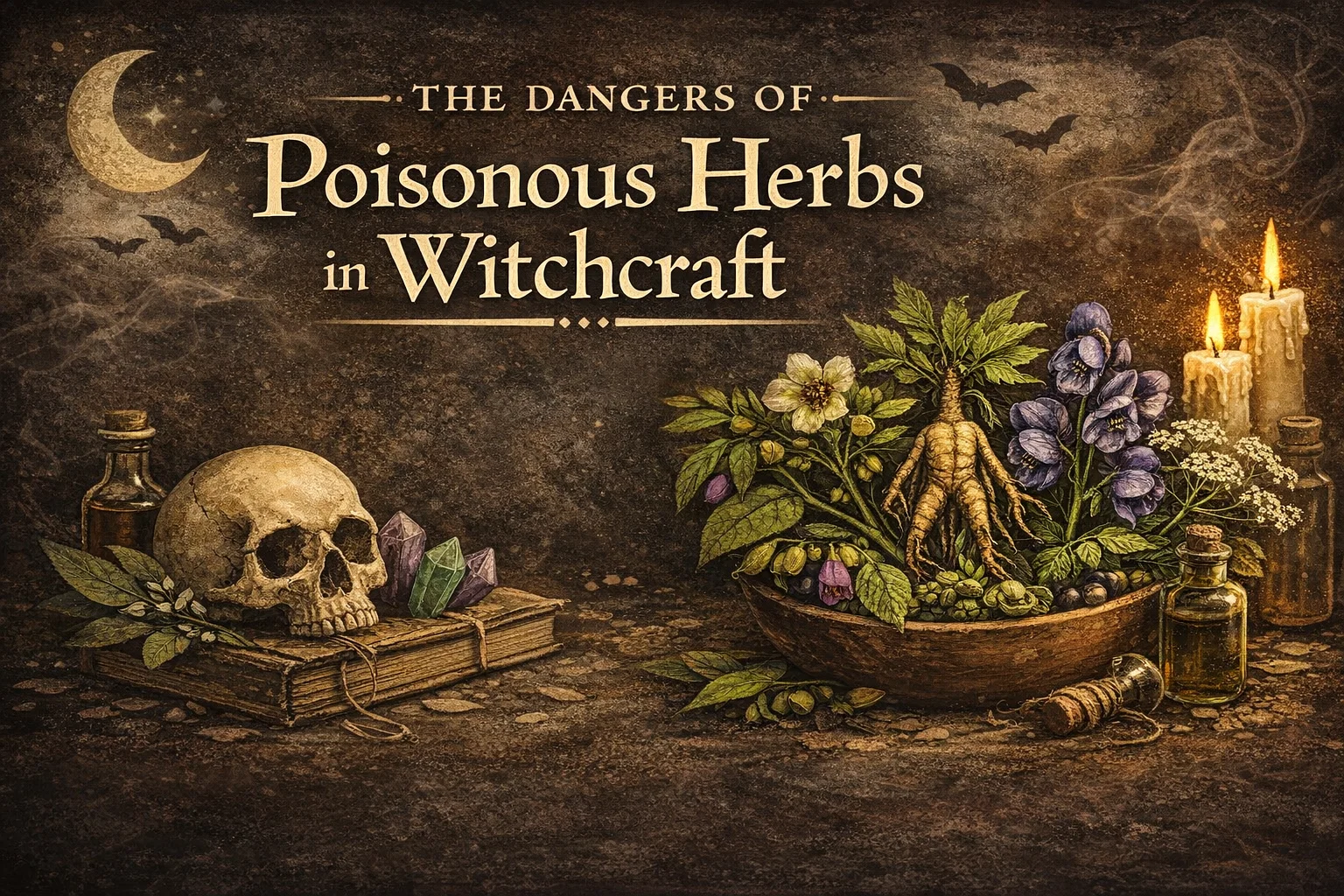
Poisonous Herbs in Witchcraft History Folklore, Symbolism Ancient Botanical Legends
The intersection of botanical science and ancient folklore is a space where beauty often masks a deadly reality. For centuries, the history of witchcraft has been intertwined with the study of baneful herbs, plants that carry a potent mix of medicinal potential and lethal toxicity. Understanding the cautionary role of these poisonous herbs is not just a lesson in history but a profound look at how humanity has navigated the boundaries between the natural world and the supernatural. In the past, these plants were never treated as everyday ingredients. They were the tools of the wise, the healers, and those who understood that power and danger are often two sides of the same coin.
The Mystique of the Baneful Apothecary
In the quiet corners of ancient gardens and the shadowed depths of wild forests, plants like Belladonna and Hemlock grew under a veil of mystery. Unlike common kitchen herbs like rosemary or thyme, these specimens required a level of knowledge that bordered on the sacred. To the historical witch or village herbalist, a baneful plant was a teacher of limits. They represented the ultimate test of a practitioner’s skill and ethical standing. The use of these herbs was never casual; it was a calculated risk taken only when the situation demanded a shift in the very fabric of reality.
The reputation of these plants was built on their physiological effects. Many contain powerful alkaloids that can induce hallucinations, paralysis, or deep sleep. In a time before modern anesthesia, these properties were both a blessing and a curse. A surgeon might use a minute amount to dull pain, while a folkloric charm might utilize the plant’s essence to facilitate a spirit journey. This dual nature is what cemented their place in the old grimoires, recorded with a mix of reverence and warnings that still resonate today.
Belladonna: The Beautiful Lady of Death
Atropa belladonna, commonly known as Deadly Nightshade, is perhaps the most famous of the poisonous botanical family. Its name itself tells a story of duality. Atropa refers to Atropos, one of the three Fates in Greek mythology who cut the thread of life. Belladonna means beautiful lady, a nod to the historical practice of Italian women using the juice of the berries to dilate their pupils, creating a wide eyed look that was considered the height of fashion.
In the context of witchcraft, Belladonna was often associated with the ability to see beyond the physical realm. It was a primary ingredient in the legendary flying ointments described in early modern accounts of the Witches’ Sabbath. While these ointments were likely symbolic or visionary rather than literal, they highlight the plant’s role in altering perception. Today, we honor Belladonna not by touching it, but by acknowledging the lesson it teaches about the dangers of vanity and the weight of deep sight.
Henbane: The Herb of Discord and Divination
Henbane, or Hyoscyamus niger, is a plant that looks as striking as its history suggests. With its pale yellow flowers and intricate purple veins, it has a distinct aesthetic that seems to scream of the otherworldly. Historically, Henbane was linked to the dead and the underworld. It was said that the priestesses at the Oracle of Delphi inhaled the smoke of burning Henbane seeds to enter a prophetic trance.
In medieval folklore, Henbane was sometimes called the stinking nightshade due to its unpleasant odor. It was believed to have the power to summon rain or cause madness if used incorrectly. The cautionary role here is clear: some powers are too volatile to be handled without extreme preparation. In modern practice, Henbane serves as a symbolic reminder of the importance of grounding oneself before attempting to communicate with the unseen.
The Mandrake: A Root Wrapped in Legend
No plant in the history of witchcraft carries more lore than the Mandrake. Its bifurcated root, which often resembles a human figure, made it a centerpiece of magical theory for thousands of years. The legends surrounding the Mandrake are as terrifying as they are fascinating. It was famously believed that the root would emit a lethal shriek when pulled from the earth, killing anyone within earshot.
To bypass this, ancient practitioners would tie a dog to the plant and lure it away, allowing the dog to take the risk of the fatal scream. This legend serves as a powerful metaphor for the sacrifices required to obtain high level knowledge. The Mandrake was prized for its sedative properties and its supposed ability to provide protection and fertility. In historical grimoires, it was often depicted as a living entity, a bridge between the plant kingdom and the human world. It reminds us that nature is alive and demands a specific protocol of respect.
Monkshood: The Queen of Poisons
Monkshood, also known as Aconite or Wolfsbane, is as lethal as it is lovely. Its tall spikes of hooded blue flowers are a common sight in ornamental gardens, yet every part of the plant is highly toxic. Historically, it was used on the tips of arrows to hunt wolves, giving it its famous nickname. In witchcraft, Monkshood was the ultimate boundary plant. It represented the edge of the world, the finality of endings, and the cold clarity of winter.
The toxicity of Aconite is so high that it can be absorbed through the skin, which is why ancient warnings emphasize that it should never be handled with bare hands. This plant teaches the lesson of boundaries. Just because something is beautiful does not mean it is meant to be possessed or consumed. It commands space and demands that the observer keep a respectful distance, a concept that is vital in both magic and ecology.
Hemlock: The Silent Stoic
Hemlock is forever etched into history as the plant that ended the life of the philosopher Socrates. It is a plant of stillness and paralysis. In ancient botanical magic, Hemlock was used in spells for neutralizing enemies or binding a situation so it could no longer cause harm. It was the herb of endings and the final word.
Unlike the wild hallucinations of Henbane or the intense heat of Belladonna, Hemlock brings a cold, creeping numbness. It symbolizes the danger of apathy and the importance of staying alert. In a symbolic context, Hemlock is used to represent the clearing away of the old to make room for the new, though its physical presence remains a strict no touch zone for anyone without advanced botanical training.
Modern Witchcraft and Symbolic Honor
In the contemporary world, the approach to these baneful herbs has shifted significantly. Modern practitioners of witchcraft and paganism prioritize safety and environmental stewardship over the dangerous physical applications of the past. We live in an era where we can appreciate the history and the chemistry of these plants without needing to ingest them or apply them to our skin. This shift marks an evolution in the craft, moving from the literal to the symbolic.
- Visual Meditation: Many people use illustrations or photographs of these herbs as focal points for meditation, tapping into their energy without physical risk.
- Botanical Art: Creating art based on these plants is a way to honor their spirit and keep their legends alive in a safe, creative format.
- Garden Guardians: Some choose to grow these plants in a protected, clearly marked section of their garden, allowing them to exist as wild guardians that are observed but never harvested.
- Scentless Offerings: Using non toxic substitutes that carry a similar energetic profile allows for the practice of ancient rituals without the threat of poisoning.
The goal is to respect the stories and learn the lessons they offer. By studying the cautionary roles of these plants, we gain a deeper appreciation for the wisdom of our ancestors who had to navigate these dangers daily. We learn that true power does not come from the reckless use of dangerous substances, but from the wisdom to know when to step back.
The Ethics of Knowledge and Caution
The recurring theme in the history of poisonous herbs is that power and danger were never taken lightly. There was an inherent ethical code among those who worked with the baneful apothecary. This code required a lifetime of study and a temperament that remained calm under pressure. If someone was described as a witch in a historical sense, it often meant they were the person the community turned to when they needed to understand these complex boundaries.
Today, that same spirit of caution should apply to how we consume information and interact with the natural world. In an age of instant gratification, the slow, careful study required by the baneful herbs is a radical act. It encourages us to slow down, to research thoroughly, and to never underestimate the potency of the world around us. Whether we are looking at an old grimoire or a modern botanical guide, the message remains the same: seek wisdom, not risk.
Keeping the Legend Alive
As we move forward, the stories of Belladonna, Mandrake, and their kin continue to inspire writers, artists, and spiritual seekers. They remind us of a time when the world was full of mystery and every plant had a voice. By keeping these legends alive, we preserve a vital piece of our cultural heritage. We ensure that the cautionary tales of the past continue to guide us toward a future where we live in harmony with nature, respecting both its healing gifts and its deadly warnings.
The study of these herbs is a journey into the heart of what it means to be human. It is about our desire to understand the unknown, our fear of death, and our enduring fascination with the hidden powers of the earth. These plants are the dark mirrors of the botanical world, reflecting back our own shadows and inviting us to look closer, with caution and respect.
Conclusion: A Legacy of Botanical Respect
The cautionary role of poisonous herbs in witchcraft history serves as a permanent reminder that some things are meant to be honored from a distance. These botanical wonders, with their dark reputations and lethal chemistry, have shaped folklore and influenced the development of medicine and magic in equal measure. By focusing on the symbolism and the history rather than the physical use, we can safely explore the depths of this fascinating topic.
As you explore your own path, whether it is through the study of history, gardening, or spiritual practice, let the lessons of the baneful herbs be your guide. Value knowledge over convenience. Choose respect over recklessness. And always remember that the most potent magic often lies in the wisdom to know the difference between a tool and a threat. The legends warned us for a reason, and in those warnings, we find the true essence of botanical mastery.