Professional Cleaning Tips Maid Secrets for a Deep Clean House Home Organization Hacks
Transforming your home from a cluttered space into a pristine sanctuary does not have to be a source of constant stress. Most homeowners approach cleaning as a series of disconnected chores, but professional cleaners look at a house as a system. By understanding the flow of a room and the specific needs of different surfaces, you can cut your cleaning time in half while achieving results that look like you hired a full crew. The secret lies in a methodical, top to bottom and left to right approach that ensures no surface is touched twice and no corner is left dusty.
The Golden Rule: Top to Bottom, Left to Right
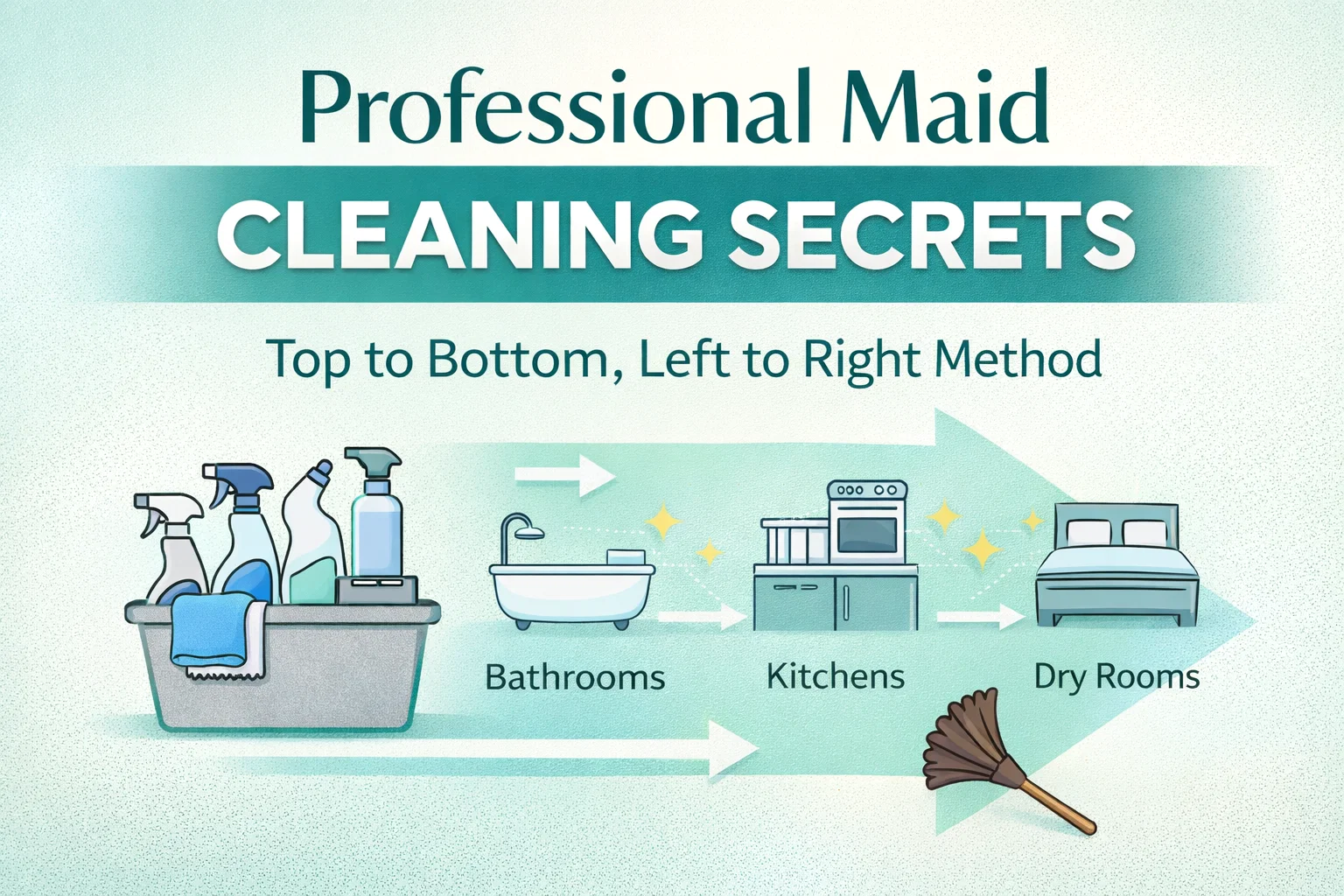
The most fundamental secret of professional maids is the directional flow of cleaning. If you start by vacuuming the floor and then move on to dusting the ceiling fans, you are essentially doubling your work. Gravity dictates that dust and debris will fall as you clean. By starting at the highest point in a room, such as crown molding or light fixtures, and working your way down to the baseboards and floors, you ensure that any falling particles are captured in the final stages of the process.
The left to right rule is equally important for mental clarity and physical efficiency. When you enter a room, choose a starting point and move around the perimeter in a consistent direction. This method creates a mental map of what has been completed. You never have to wonder if you wiped down that specific windowsill or dusted that particular picture frame. It turns a chaotic task into a predictable, meditative routine.
Categorizing Your Space: Wet Rooms vs. Dry Rooms
Not all rooms are created equal when it comes to the level of grime and the effort required to sanitize them. Professionals categorize a home into two main types: wet rooms and dry rooms. Understanding this distinction helps you manage your energy levels throughout the cleaning session.
The Intensity of Wet Rooms
Wet rooms include the kitchen, bathrooms, and the laundry room. These areas are prone to moisture, mold, mildew, and heavy bacteria loads. They require the most “elbow grease” and specialized chemical cleaners to break down soap scum, grease, and hard water stains. A pro tip is to always start with the wet rooms. Since they are the most physically demanding, tackling them while your energy is highest ensures they get the deep attention they deserve.
The Speed of Dry Rooms
Dry rooms consist of bedrooms, living areas, and home offices. These spaces primarily deal with dust, pet hair, and general clutter. While they may look messy, they are technically easier to clean because they rarely require heavy scrubbing. Once you have powered through the bathrooms and kitchen, these rooms feel like a “cool down” period, allowing you to finish your house cleaning on a high note rather than feeling completely drained.
The Maid’s Ultimate Supply Kit
Efficiency is often limited by the tools at your disposal. If you have to walk back to the laundry room every time you need a different spray bottle, you are wasting valuable time. Professionals use a cleaning caddy or a tray to keep all necessary supplies within arm’s reach. This portable station allows you to move seamlessly from one area to the next without breaking your rhythm.
Your essential kit should include:
- Microfiber cloths: These are superior to paper towels for trapping dust and leaving a streak-free shine.
- All-purpose cleaner: A versatile solution for most surfaces.
- Disinfectant: Essential for high-touch areas like doorknobs and faucets.
- Glass cleaner: For mirrors and windows.
- Scrub brush: For grout and stubborn stains in the shower or sink.
- Extension duster: To reach those high corners and ceiling fan blades without a ladder.
Bathroom Brilliance: A Step-by-Step System
The bathroom is often the most dreaded room to clean, but it can be handled quickly if you let chemistry do the heavy lifting. The first step is to put your toilet bowl cleaner to work. Squirt the cleaner under the rim and let it sit while you handle the rest of the room. This “dwell time” allows the chemicals to break down stains with minimal scrubbing required later.
Next, spray your counters, tub, and sinks. While the cleaner sits, use your top to bottom approach to dust the light fixtures and mirrors. Wipe the surfaces from left to right, ensuring you get behind the faucet where grime likes to hide. Finish by swishing the toilet, dusting the baseboards (which often collect damp lint in bathrooms), and finally mopping your way out of the room. This ensures you aren’t stepping on a wet floor you just cleaned.
Kitchen Efficiency: Degreasing and Sanitizing
In the kitchen, the biggest challenge is grease. It acts as a magnet for dust, creating a sticky layer on top of cabinets and appliances. A major professional secret involves your cleaning rags: always switch to a fresh set of rags when moving from the bathroom to the kitchen. This prevents the cross-contamination of bacteria like E. coli, keeping your food preparation areas truly safe.
Microwave and Disposal Hacks
You don’t need harsh chemicals to clean a greasy microwave. Simply place a bowl of water with a splash of vinegar inside and microwave it for three minutes. The steam will loosen baked-on food, allowing you to wipe it clean with a single pass. For the garbage disposal, flush a mixture of baking soda and vinegar down the drain. Let it fizz for five minutes to deodorize and break down organic buildup before rinsing with hot water. These small “hands-off” tasks can run in the background while you focus on wiping down cabinets and counters.
The Art of the Hotel Fold
A house isn’t just clean when the dirt is gone; it’s clean when it feels organized. One of the easiest ways to give your home a high-end, professional feel is by mastering the hotel towel fold. Instead of simply hanging towels over a bar, fold them into thirds lengthwise and then fold the ends toward the center. This creates a plush, uniform look that instantly elevates the aesthetic of your bathroom. It signals to guests (and yourself) that the space has been cared for with precision.
Mastering the Dry Rooms: Dusting and Vacuuming
Cleaning bedrooms and living rooms is all about speed and surface area. Start by knocking down any cobwebs in the corners of the ceiling using a microfiber duster. Move to the light fixtures and picture frames, always wiping from left to right. If you have a lot of small knick-knacks on a shelf, the professional advice is to only bother with them during a deep clean. For weekly maintenance, dusting around them or using a soft brush is sufficient. Better yet, reducing the number of small items on surfaces makes your daily life much easier.
When it comes to the bed, changing the sheets or fluffing the pillows provides an immediate visual impact. A crisp, made bed makes the entire room look cleaner than it actually is. Finally, dust the baseboards before you vacuum. This ensures that any dust pushed off the boards is sucked up by the vacuum, leaving the floor perfectly clean.
Dusting Tips for the Detail-Oriented
Dusting is more than just moving dirt around. To do it like a pro, you must use the right materials. Feather dusters often just launch dust into the air where it settles back down an hour later. Microfiber or damp cloths are the preferred tools because they trap the particles. If you are dealing with intricate carvings or electronics, a clean makeup brush or a can of compressed air can reach the spots a cloth cannot.
Remember that some areas are “dust magnets” that we often overlook. The tops of door frames, the back of the television, and the blades of the ceiling fan are notorious for collecting thick layers of gray fluff. Addressing these hidden spots during your routine prevents the “re-dusting” effect where air circulation spreads hidden dust across your freshly cleaned surfaces.
Creating a Sustainable Cleaning Schedule
The biggest mistake people make is trying to do everything at once without a plan. Professional maids stay efficient because they follow a strict checklist. You can replicate this by breaking your home maintenance into daily, weekly, and monthly tasks. Daily tasks might include wiping the kitchen counters and doing one load of laundry. Weekly tasks involve the full “top to bottom” routine for each room. Monthly tasks are for the deep dives, like cleaning inside the oven or washing the windows.
By staying consistent, you prevent the grime from reaching a point where it feels overwhelming. Cleaning becomes a quick maintenance routine rather than a grueling weekend-long project. It allows you to actually enjoy your home rather than feeling like you are constantly working for it.
Conclusion: The Professional Mindset
Cleaning like a pro is less about the specific products you buy and more about the method you employ. By adopting the top to bottom, left to right philosophy, you eliminate wasted movement and ensure a higher standard of cleanliness. Categorizing your home into wet and dry rooms allows you to prioritize your energy, while a dedicated supply kit keeps you moving quickly through each space.
Whether you are folding your towels like a five-star resort or using steam to melt away microwave grease, these small habits add up to a significant difference in the look and feel of your home. Start implementing these secrets today, and you will find that a sparkling, organized living space is much closer than you think. A clean home provides more than just a nice view; it provides a sense of calm and control that carries over into every other aspect of your life.