Self Discovery Questions Journaling Prompts for Healing Growth Know Myself Checklist
Embarking on a journey of self-discovery is perhaps the most profound adventure any human being can undertake. It is a process of peeling back the layers of expectations, societal pressures, and past experiences to find the vibrant, authentic core of who you truly are. While the idea of finding yourself sounds poetic, the actual practice often requires a structured approach. That is where the power of targeted journaling comes into play. By asking the right questions, you can unlock doors to your subconscious that have been closed for years.
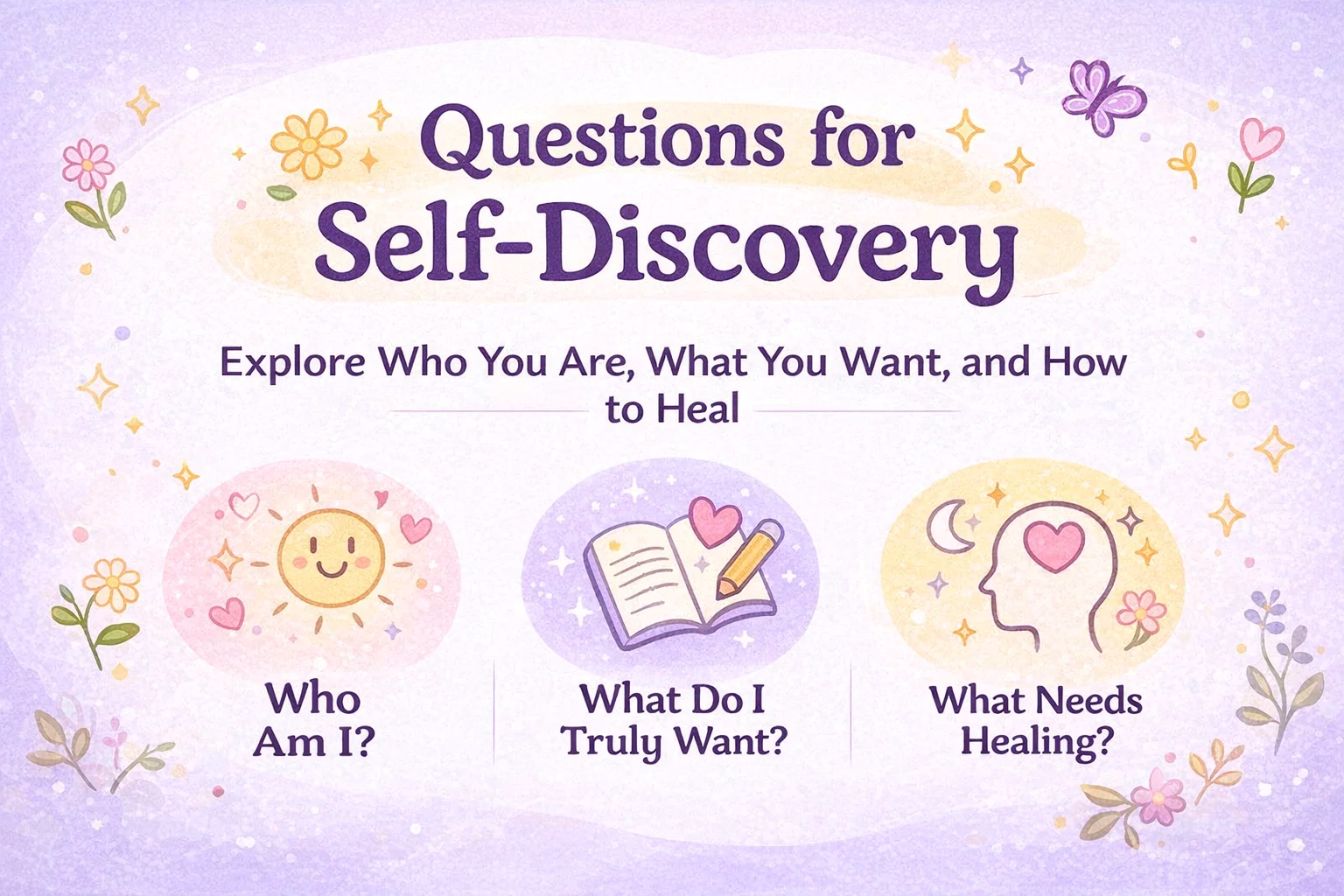
The image provided offers a beautiful framework for this exploration, categorized into four vital pillars: identity, desires, healing, and light-hearted reflection. In this comprehensive guide, we will dive deep into each of these areas, exploring why these specific prompts matter and how you can use them to foster a radical sense of self-awareness and personal growth.
The Foundation of Identity: Who Am I?
Most of us spend our lives identifying with our roles. You might be a student, a professional, a parent, or a friend. However, those are things you do, not necessarily who you are. To find your true essence, you must look at the characteristics that remain constant even when your circumstances change.
Connecting with Your Authentic Self
One of the most powerful prompts in this category is: What makes me feel most like me? Think about the moments when you are not performing for anyone else. Is it when you are lost in a creative project, hiking in silence, or perhaps having a deep conversation with a trusted friend? Identifying these “glimmers” of authenticity helps you prioritize activities that nourish your soul rather than drain it.
Furthermore, reflecting on what you love about the way you think or feel is a radical act of self-love. In a world that often points out our flaws, focusing on your internal strengths—like your resilience, your quirky sense of humor, or your ability to empathize—builds a rock-solid foundation of self-esteem.
Discovering Your Purpose
The question of what you were put here to do can feel heavy, but it does not have to be about a grand career. Purpose can be found in small, consistent actions. Maybe your purpose is to bring joy to others, to solve complex problems, or to protect the environment. When you align your daily actions with this perceived purpose, you experience a boost in confidence and power that is unmatched by any external validation.
Defining Your Future: What Do I Truly Want?
It is easy to fall into a life that looks good on paper but feels empty in reality. To avoid this trap, you must be intentional about the life you are creating. This section of the self-discovery journey is about permission. It is about giving yourself the green light to want things that might not make sense to anyone else.
Visualizing Your Ideal Life
What does peace look like for you? For some, it is a bustling city apartment filled with books and music. For others, it is a quiet cottage with a garden. There is no wrong answer, but there is a danger in not knowing your own definition of peace. Without it, you might spend your energy chasing someone else’s version of success.
Similarly, asking what you want more of in your life helps you identify gaps. Do you need more adventure, more stillness, or perhaps more community? Once you name these desires, you can begin to make small, actionable changes to invite them in.
Uncovering Dormant Dreams
We all have those “someday” dreams—the ones we have always wanted to start but haven’t yet. Whether it is learning a new language, starting a blog, or traveling to a specific country, naming these dreams is the first step toward making them a reality. Self-discovery is not just about looking backward; it is about looking forward with clarity and excitement.
The Path to Emotional Freedom: What Do I Need to Heal?
Growth is often hindered by the weight of things we haven’t yet processed. Healing is not about being perfect; it is about being honest. By addressing the patterns and hurts of the past, you clear the way for a much lighter future.
Releasing What No Longer Serves You
A vital part of this process is identifying the habits or patterns that are keeping you stuck. This might be a tendency to people-please, a fear of failure, or a habit of self-criticism. When you write these things down, they lose their power over you. You shift from being a victim of your patterns to being an observer who can choose a different path.
Forgiveness is another cornerstone of healing. It is important to realize that forgiveness is for you, not the other person. It is the act of dropping a heavy backpack you have been carrying for miles. What does forgiveness look like for you? Does it look like setting a boundary, or does it look like finally letting go of a grudge against yourself for a past mistake?
Cultivating Self-Compassion
We are often our own harshest critics. One of the most moving prompts is: What do I need to hear more often from myself? Perhaps you need to hear that you are doing enough, that you are worthy of love, or that it is okay to rest. Start saying these things to yourself daily. Your internal dialogue shapes your reality more than you might realize.
The Joy of Discovery: Light-Hearted but Telling
Self-discovery doesn’t always have to be heavy and emotional. Sometimes, the most revealing insights come from our preferences and imagination. These light-hearted prompts tap into your inner child and your purest joys.
The Power of the “Dream Day”
Describing your dream day from morning to night is a fantastic exercise in lifestyle design. Notice the details. Are you alone or with people? Are you active or relaxed? What are you eating? This exercise often reveals that the things we truly crave are simpler and more accessible than we think. You might not be able to live your dream day every day, but you can certainly incorporate elements of it into your current week.
Sensory Joy and Nostalgia
Our favorite colors, music, and smells are deeply tied to our emotional states. Understanding what brings you immediate sensory happiness allows you to curate your environment for better mental health. Furthermore, looking back at what you have loved since you were little can reconnect you with your innate nature before the world told you who to be. If you loved drawing as a child, perhaps that creative spark is still waiting to be reignited.
How to Start Your Self-Discovery Journaling Practice
Knowing the questions is one thing, but sitting down to answer them is another. To get the most out of these prompts, consider the following tips for a successful journaling practice:
- Create a Sacred Space: Find a quiet corner where you won’t be interrupted. Light a candle, grab a warm drink, and make the experience something you look forward to.
- Be Brutally Honest: Your journal is for your eyes only. Do not censor your thoughts or worry about “sounding good.” The more honest you are, the more healing the process will be.
- Don’t Rush: You do not need to answer every question in one sitting. Choose one or two that resonate with you today and spend some time reflecting on them.
- Use Pen and Paper: While digital journaling is convenient, the physical act of writing by hand slows down your brain and allows for deeper reflection.
The Long-Term Benefits of Self-Awareness
As you consistently engage with these questions, you will notice a shift in how you navigate the world. People who possess high levels of self-awareness tend to be more resilient in the face of stress because they know their limits and their strengths. They make better decisions because they understand their core values. Most importantly, they experience more fulfilling relationships because they are able to communicate their needs and boundaries clearly.
Self-discovery is not a destination with a fixed finish line. It is a continuous cycle of learning, unlearning, and evolving. Every year, you might find that your answers to these questions change, and that is a beautiful sign of growth.
Embracing the “Glow Up” from Within
The term “glow up” is often used to describe physical transformations, but the most lasting and radiant glow comes from within. When you understand your identity, heal your wounds, and chase your true desires, you carry yourself with a different kind of energy. You become a person who is grounded, intentional, and genuinely happy.
Conclusion: Your Journey Starts Today
The “Know Myself” checklist is more than just a list of questions; it is an invitation to become your own best friend. By taking the time to explore your identity, your dreams, and your healing process, you are investing in the most important relationship you will ever have. There is no better time than the present to start this exploration.
Whether you choose to tackle one prompt a day or dive into a long weekend of reflection, remember to be gentle with yourself. Self-discovery can be challenging, but the clarity and peace that follow are worth every moment of effort. Grab your journal, find a comfortable spot, and start asking: Who am I, and what do I truly want? The answers might just change your life.
Would you like me to create a printable PDF template based on these prompts or perhaps generate a 30-day journaling schedule to help you stay consistent?