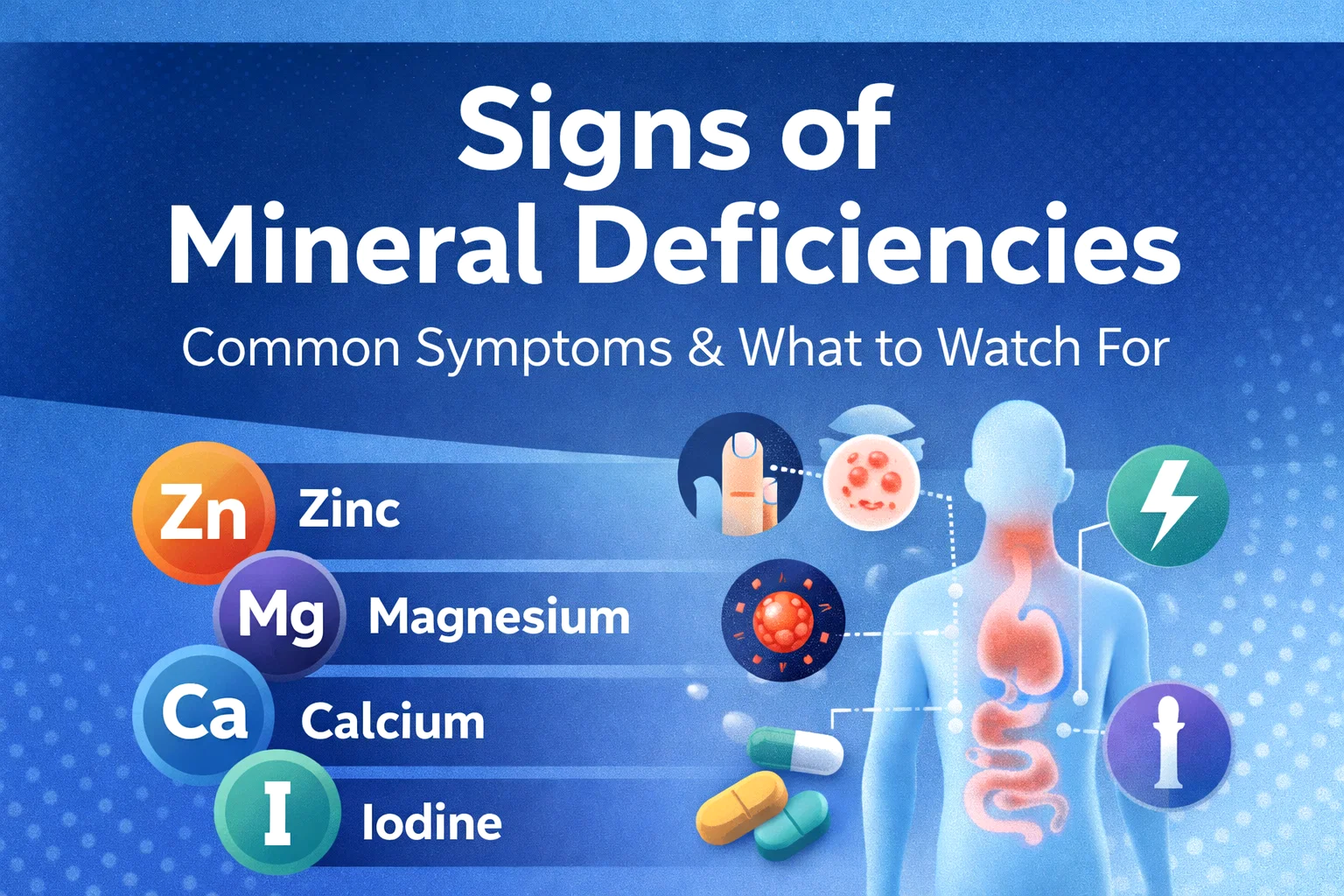
Signs of Mineral Deficiencies Symptoms You Need to Know
Have you ever woken up feeling completely drained despite getting a full night of sleep? Perhaps you are experiencing random muscle twitches, unexplained anxiety, or noticing that your hair is shedding more than usual. It is incredibly easy to brush these subtle signs off as just another part of a stressful week. However, your body has a unique language. When something is out of balance, it communicates through symptoms. Often, these whispering symptoms are pointing directly to a hidden issue: mineral deficiencies.
Minerals are the spark plugs of the human body. They are inorganic elements that originate in the soil and water, which are then absorbed by plants or eaten by animals. We rely on a steady, daily intake of these micronutrients to keep our hearts beating, our brains firing, and our immune systems ready to defend us. Taking a holistic approach to your wellness means tuning into these signals rather than masking them. Let us dive deep into six essential minerals and decode the exact signs your body gives you when your reserves are running low.
Zinc: The Ultimate Immune Guardian
Zinc is a powerhouse trace mineral. It plays a pivotal role in cellular repair, hormone production, and keeping your immune defenses sharp. Because our bodies do not have a specialized system for storing zinc, we need to consume it regularly. When you fall short, the signs can be quite disruptive to your daily life.
Getty Images
Explore
Signs You Might Need More Zinc
- Weak Immunity and Frequent Infections: If you find yourself catching every cold that circulates the office, low zinc could be the culprit. It is essential for the development and function of immune cells.
- Allergies: Zinc helps regulate histamine levels. A deficiency can cause your body to release more histamine, making allergic reactions more severe.
- Thinning Hair: Noticeable hair loss or thinning patches can occur because zinc is crucial for hair tissue growth and repair.
- Acne or Rashes: This mineral possesses natural anti-inflammatory properties. Without enough of it, your skin is prone to breakouts, eczema, and slow-healing wounds.
- Diarrhea: A compromised gut lining and altered immune response in the intestines can lead to frequent digestive upset.
To naturally boost your zinc levels, consider adding more pumpkin seeds, lentils, chickpeas, and hemp seeds to your meals. Herbalists often recommend adding a sprinkle of these nutrient-dense seeds to your morning oatmeal or blending them into a wellness smoothie to keep your immune system functioning flawlessly.
Magnesium: The Master of Relaxation
If there is one mineral that modern society lacks most, it is magnesium. Chronic stress, depleted soils, and high caffeine intake actively drain our magnesium stores. This mineral is responsible for over three hundred biochemical reactions in the body. It acts as the ultimate relaxant for your muscles and your nervous system.
Shutterstock
Signs You Might Need More Magnesium
- Sleeping Difficulty and Insomnia: Magnesium helps regulate the neurotransmitters directly related to sleep. Without it, your brain struggles to wind down, leading to restless nights.
- Muscle Spasms and Cramps: Have you ever had a sudden calf cramp in the middle of the night? Magnesium helps muscles relax after contraction. A shortage leads to twitches, spasms, and tension.
- Anxiety: A deficiency can keep your nervous system locked in a state of fight or flight, amplifying feelings of panic and everyday anxiety.
- Infertility and PMS: Magnesium plays a significant role in hormone balance. Low levels are frequently linked to severe premenstrual syndrome cramps, mood swings, and broader reproductive issues.
- Headaches and Fatigue: Tension headaches and a persistent feeling of physical exhaustion often point back to low magnesium.
Turning to natural remedies, you can absorb magnesium transdermally through soothing Epsom salt baths. Dietarily, focus on dark leafy greens like spinach and Swiss chard, almonds, and raw cacao. A warm cup of herbal tea alongside a square of dark chocolate is a wonderful, holistic way to end your evening and replenish this vital nutrient.
Calcium: Beyond Just Bone Health
When we hear the word calcium, our minds immediately jump to strong bones and teeth. While that is entirely accurate, calcium does so much more. It is critical for nerve transmission, blood clotting, and maintaining a healthy heartbeat. Your body tightly regulates calcium in the blood. If you are not consuming enough, your body will actually pull calcium directly from your bones to keep blood levels stable.
Signs You Might Need More Calcium
- Brittle Nails: Just like your bones, your nails require calcium for strength. If they are peeling, chipping, or breaking easily, it is a clear red flag.
- Dry Skin: Calcium is involved in skin regeneration and maintaining the skin barrier. A deficiency can leave your complexion looking dull, dry, and flaky.
- High Blood Pressure: This mineral helps blood vessels tighten and relax when they need to. Adequate calcium intake is consistently linked to healthier blood pressure levels.
- Tooth Decay: Weak enamel and an increase in cavities are direct indicators that your teeth lack the minerals necessary to stay strong.
- Chronic Fatigue: Because calcium is involved in energy metabolism and muscle function, low levels can leave you feeling chronically lethargic.
You do not have to rely solely on dairy to get your calcium. Traditional herbal remedies like stinging nettle and oatstraw infusions are phenomenal, bioavailable sources of calcium. Leafy greens, chia seeds, and tahini are also fantastic plant-based additions to your diet that support long-term skeletal health.
Potassium: Keeping the Rhythm
Potassium is an essential electrolyte. It works closely with sodium to maintain fluid balance within your cells. It is absolutely vital for conducting electrical signals throughout your body, which ensures your heart beats correctly and your muscles contract smoothly. Sweating heavily, chronic stress, or a diet high in processed foods can quickly deplete your potassium.
Signs You Might Need More Potassium
- Abdominal Cramps: Potassium helps relay signals from the brain to muscles located in the digestive system. Low levels can cause these muscles to contract irregularly, causing cramps and bloating.
- Heart Palpitations: Since potassium regulates the electrical impulses of the heart, a deficiency can make it feel like your heart is skipping a beat or fluttering abnormally.
- Nausea and Vomiting: Severe deficiencies can disrupt your gastrointestinal tract so much that it triggers intense nausea.
- Ringing in Ears (Tinnitus): Fluid balance in the inner ear relies on electrolytes. An imbalance can sometimes manifest as a ringing or buzzing sound.
- Feeling Dizzy: Drops in blood pressure caused by potassium imbalances can lead to sudden spells of dizziness, especially when standing up quickly.
To keep your potassium levels stable, focus on vibrant, whole foods. Avocados, sweet potatoes, bananas, and coconut water are excellent natural sources. Incorporating a daily serving of fresh fruit and root vegetables can make a noticeable difference in your energy and hydration levels.
Selenium: The Metabolism Booster
Selenium might not get as much attention as calcium or magnesium, but it is an unsung hero for your thyroid gland. Your thyroid holds the highest concentration of selenium in the entire body. It acts as a powerful antioxidant, protecting the thyroid from oxidative stress and helping to convert thyroid hormones into their active form.
Signs You Might Need More Selenium
- Slow Metabolism: Because selenium drives thyroid function, a lack of it can slow down your basal metabolic rate, leading to unexplained weight gain and sluggishness.
- Slow Healing: Its role as an antioxidant is vital for tissue repair. Scrapes, cuts, and bruises that take weeks to fade can indicate low selenium.
- Memory Problems: Brain fog, poor concentration, and difficulty recalling information are often tied to the oxidative stress that selenium usually prevents.
- Hair Loss: While zinc gets a lot of credit for hair health, selenium is just as important. A sluggish thyroid directly impacts hair follicle regeneration.
- Infertility and Low Immune System: Selenium protects sperm health and supports the overall production of white blood cells to fight off illness.
The easiest, most natural way to hit your daily selenium target is by eating Brazil nuts. Just one or two Brazil nuts a day provide all the selenium your body requires. Mushrooms and sunflower seeds are also wonderful holistic options to weave into your weekly meal prep to protect your cellular health.
Iodine: Fueling Your Thyroid
Similar to selenium, iodine is a non-negotiable mineral for your thyroid. Your body uses iodine to synthesize thyroid hormones, which control growth, repair damaged cells, and support a healthy metabolism. Because the body cannot produce iodine on its own, it must come entirely from your diet.
Shutterstock
Explore
Signs You Might Need More Iodine
- Low Body Temperature: Thyroid hormones help regulate your internal thermostat. If you are constantly shivering while others are comfortable, you might be running low on iodine.
- Weakness: Without enough iodine, your body cannot efficiently convert the food you eat into usable energy, leaving your muscles feeling incredibly weak.
- Sore Tongue: Also known as glossitis, an inflamed, swollen, or unusually smooth and sore tongue is a lesser-known but distinct warning sign.
- Cold Hands and Pale Skin: Poor circulation and a drop in metabolic rate can leave your extremities feeling like ice and wash the natural color from your complexion.
Embracing food from the sea is the best way to naturally boost your iodine. Sea vegetables like kelp, dulse, and nori are fantastic additions to soups and salads. You can also sprinkle a high-quality, naturally occurring sea salt that retains its trace minerals over your fresh produce to ensure you are getting a steady supply of this crucial nutrient.
Nourishing Your Body with Whole Foods and Herbs
Identifying these signs is the first crucial step toward taking control of your health. The beauty of holistic wellness is that nature provides an abundance of remedies to help us restore balance. Instead of immediately reaching for synthetic supplements, try looking at your plate first.
Shutterstock
Explore
Focusing on a colorful, varied diet filled with organic vegetables, nuts, seeds, and high-quality proteins is the foundation of mineral wealth. Furthermore, exploring the world of herbalism can offer profound support. Daily infusions of mineral-rich herbs like nettle leaf, red raspberry leaf, and oatstraw can act as a natural, highly absorbable multivitamin. These gentle plant medicines have been used for centuries to deeply nourish the body and replenish depleted stores.
Listen to Your Body’s Whispers
Your body is incredibly intelligent. The brittle nails, the afternoon fatigue, and the occasional muscle twitch are not random occurrences to be ignored. They are direct messages asking for proper nourishment. By understanding the signs of mineral deficiencies in zinc, magnesium, calcium, potassium, selenium, and iodine, you are empowered to make proactive, healing choices.
Always remember that true wellness is a journey of listening and adjusting. If you suspect you have a severe deficiency, it is always a wise idea to work alongside a holistic healthcare practitioner or a nutritionist who can help you test your levels and create a personalized protocol. Start small, incorporate more nutrient-dense whole foods into your daily routine, explore the benefits of mineral-rich herbal teas, and watch as your body responds with renewed energy and vitality.