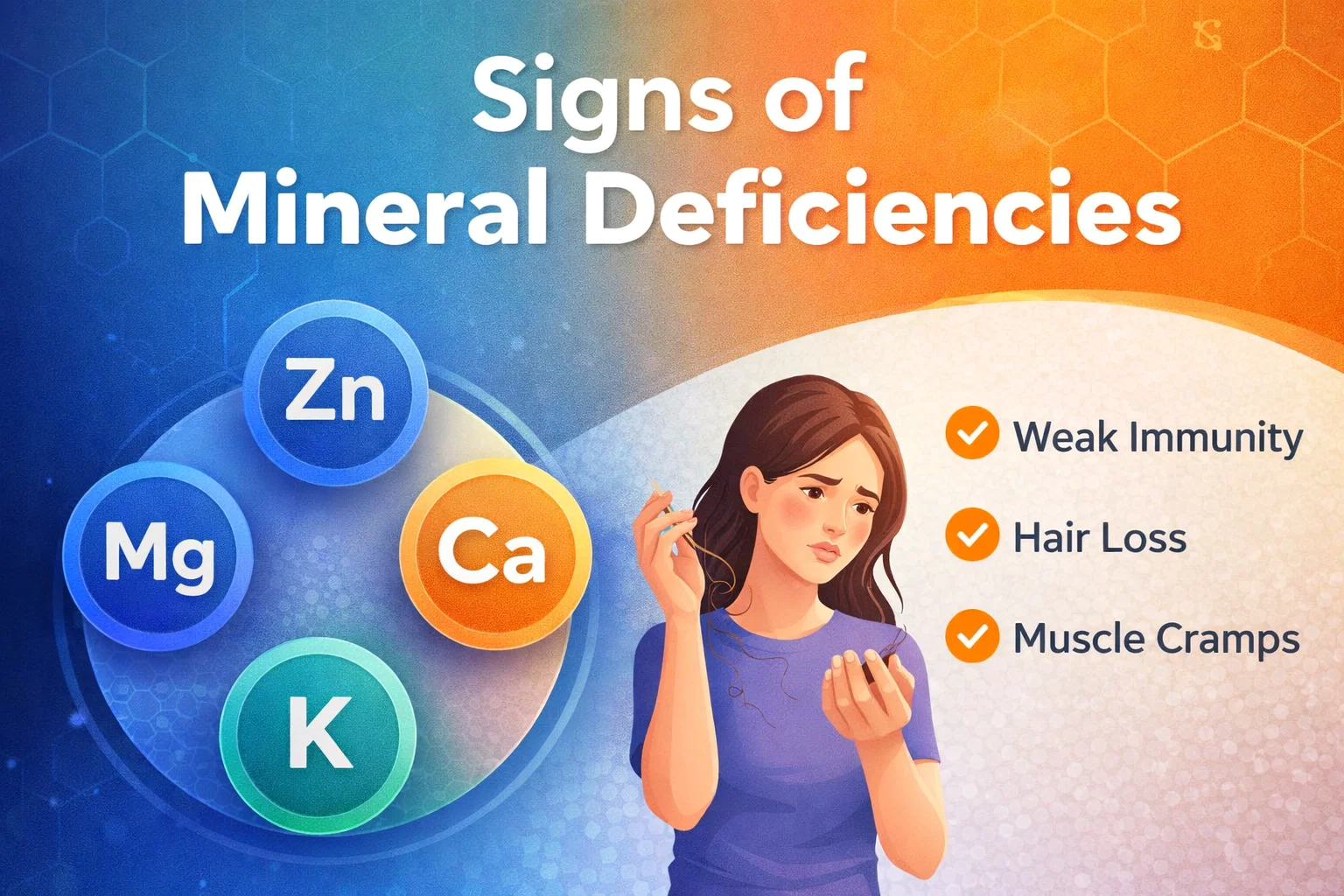
Signs of Mineral Deficiencies Symptoms You Shouldnt Ignore
Have you been feeling a little off lately? Maybe you are struggling to fall asleep at night, noticing your hair thinning in the shower drain, or dealing with unexplained, painful muscle cramps during your morning workout. It is incredibly common to brush these subtle signals off as just another part of a busy life, stress, or simply getting older. However, your body has a highly intelligent and unique way of communicating with you. Often, these pesky everyday symptoms are actually glaring red flags pointing straight to an underlying mineral deficiency. Let us dive deep into what your body might be desperately craving and how you can spot these critical signs before they turn into much bigger health hurdles.
The Hidden Role of Minerals in Your Everyday Health
Minerals are the unsung heroes of our biology. They are essential inorganic elements that our bodies absolutely need to function correctly on a cellular level. From building dense, strong bones to transmitting rapid nerve impulses and keeping our immune systems in fighting shape, minerals do it all. The catch is that we cannot produce these vital nutrients on our own, meaning we have to get them entirely from our diet and environment. When our busy modern lifestyles, chronic stress, or less than perfect diets get in the way, our crucial mineral stores can easily and rapidly become depleted without us even realizing it.
Decoding the Subtle Signs of Common Mineral Deficiencies
Every single mineral plays a highly specific and complex role within your anatomy. Consequently, a lack of any single mineral will trigger its own unique set of physical and mental warning signs. Here is a comprehensive breakdown of the most common mineral deficiencies and the exact symptoms you absolutely should not ignore.
Zinc: The Ultimate Immune System Protector
Zinc is a powerhouse trace mineral. It is crucial for DNA synthesis, rapid cell growth, and a robust immune response. When your zinc levels drop, your entire body feels the impact, particularly your skin, hair, and immune defense systems.
- Weak Immunity and Frequent Infections: If you find yourself catching every single cold or sniffle that goes around your workplace, low zinc might be the primary culprit. It is essential for the development and active function of your immune cells.
- Acne or Rashes: Zinc possesses potent natural anti-inflammatory properties and helps regulate skin oil production. A sudden, stubborn breakout or persistent skin irritation is a classic sign your levels are running low.
- Thinning Hair: Your hair follicles require adequate zinc to grow, divide, and repair. Unexplained hair shedding or thinning is a frustrating but very common symptom of this deficiency.
- Allergies: Zinc helps safely store histamine in the body. When you lack zinc, more histamine is released into your bloodstream, causing allergic reactions and sensitivities to flare up unexpectedly.
- Digestive Distress like Diarrhea: Zinc is totally necessary for maintaining a healthy, impenetrable gut lining. A severe deficiency can lead to chronic digestive issues and poor nutrient absorption.
Magnesium: The Master of Deep Relaxation
Magnesium is involved in over three hundred distinct biochemical reactions in your body. It is known as the ultimate relaxation mineral, responsible for calming your central nervous system and relaxing your muscle fibers. Modern, highly processed diets are notoriously low in magnesium, making this one of the most widespread nutritional deficiencies in the world today.
- Sleeping Difficulty and Insomnia: Magnesium helps regulate vital neurotransmitters related to your sleep cycles. Without enough of it, you might find your mind racing at bedtime or wake up frequently and restlessly during the night.
- Muscle Spasms and Cramps: Have you ever experienced a sudden, painful charley horse in your calf muscle? That is a textbook sign of magnesium deficiency, as this vital mineral is required for proper muscle contraction and release.
- Anxiety and Restlessness: Because it plays such a major role in nervous system regulation, low magnesium can leave you feeling constantly on edge, stressed, or inexplicably anxious for no clear reason.
- Headaches and Migraines: Magnesium helps prevent the abnormal brain signaling that produces agonizing migraine auras and tension headaches.
- Fatigue and Low Energy: Your body uses magnesium to literally convert the food you eat into usable cellular energy. Without it, you will constantly feel drained and sluggish.
- Infertility and Severe PMS: Magnesium helps metabolize and balance hormones, meaning a lack of it can significantly exacerbate premenstrual syndrome symptoms and complicate overall reproductive health.
Calcium: Building Blocks for More Than Just Strong Bones
We all know calcium is necessary for building strong bones and resilient teeth, but its actual job description does not end there. Calcium is completely vital for your cardiovascular health, smooth muscle function, and rapid nerve transmission across your entire body.
- Brittle Nails and Dry Skin: Calcium plays a very significant role in healthy cell turnover. If you are lacking it, your skin may become exceptionally dry, flaky, and your nails might peel or break incredibly easily.
- High Blood Pressure: Calcium helps your blood vessels properly tighten and relax when they need to adjust flow. A chronic deficiency can contribute to elevated blood pressure over an extended period.
- Tooth Decay: Since your teeth actively store calcium, your body will literally pull the mineral directly from your teeth if you are not consuming enough daily, leading to rapid decay and expensive dental issues.
- Chronic Fatigue: Similar to a magnesium shortage, a severe lack of calcium can leave you feeling deeply sluggish, unmotivated, and generally exhausted, no matter how many hours you sleep.
Potassium: Keeping Your Heart Rhythm Steady and Safe
Potassium is a highly crucial electrical electrolyte. It works closely with sodium to carefully maintain fluid balance, conduct lightning fast nerve signals, and regulate muscle contractions, especially in your most important muscle of all: your beating heart.
- Heart Palpitations: This is perhaps the most alarming and noticeable symptom of low potassium. You might suddenly feel like your heart is racing, fluttering wildly, or skipping a distinct beat in your chest.
- Abdominal Cramps and Digestion Issues: Potassium helps relay important signals from your brain to the smooth muscles located in your digestive system. A deficiency can slow your digestion to a crawl, causing painful cramping and severe bloating.
- Nausea or Vomiting: Severe potassium imbalances can drastically upset your entire gastrointestinal tract, leading to persistent nausea.
- Feeling Dizzy: Wild fluctuations in fluid balance and blood pressure caused by low potassium can easily lead to sudden, disorienting dizzy spells when standing up.
- Ringing in the Ears: Also known medically as tinnitus, this annoying ringing or buzzing sensation can sometimes be linked directly to the vascular changes associated with a potassium deficiency.
Selenium: The Thyroid and Metabolism Booster
Selenium might be a trace mineral, meaning you only need a very tiny amount daily, but its overall impact on your health is absolutely massive. It acts as a powerful cellular antioxidant and is completely essential for proper, healthy thyroid function.
- Slow Metabolism: Your thyroid gland desperately needs selenium to produce active, usable thyroid hormones. A sluggish, underactive thyroid means a sluggish metabolism, which can quickly lead to unexplained and frustrating weight gain.
- Memory Problems and Brain Fog: The strong antioxidant properties of selenium protect your delicate brain cells from damage. A lack of it can result in cognitive decline, poor memory, and extreme difficulty concentrating on simple tasks.
- Slow Healing: Selenium is vital for rapid cellular repair and regeneration. If minor cuts and scrapes are taking unusually long to heal up, your selenium levels might be to blame.
- Hair Loss: Just like the mineral zinc, selenium is required for the healthy production and maintenance of your hair follicles.
- Low Immune System: Selenium boosts the fighting capabilities of your white blood cells, making it a critical, nonnegotiable component of a strong, resilient immune defense system.
- Infertility: Both male and female reproductive health rely heavily on adequate selenium levels to prevent harmful oxidative stress to delicate reproductive cells.
Iodine: The Core of Your Cellular Energy
Much like selenium, iodine’s primary and most vital job is supporting your thyroid gland. Without sufficient iodine, your body simply cannot synthesize the thyroid hormones that govern your basic metabolic rate and energy production.
- Low Body Temperature and Cold Hands: Because iodine fuels your internal metabolism, a deficiency slows your biological furnace right down, leaving you feeling constantly chilly, especially in your extremities like your hands and feet.
- Weakness and Lethargy: When your metabolic rate drops, so does your physical energy. You might feel profoundly weak, heavy, and lethargic, even when simply doing light daily tasks.
- Pale Skin: A significant lack of thyroid hormones can drastically affect healthy blood flow and cell regeneration, often resulting in a noticeably pale, washed out complexion.
- Sore Tongue: Also known as glossitis, an inflamed, painfully swollen, or sore tongue can be a very surprising but accurate indicator of severely low iodine levels.
Actionable Steps to Naturally Replenish Your Mineral Stores
Recognizing these warning symptoms is only the first half of your wellness journey. Taking proactive, targeted steps to restore your mineral balance is where the real magic happens and where you will finally start feeling like your vibrant self again.
Focus on a Colorful Whole Foods Diet
The absolute most effective way to get your essential minerals is straight from nature. Focus heavily on eating a colorful, wide variety of whole, unprocessed foods. Dark leafy greens are incredible, highly bioavailable sources of both magnesium and calcium. Nuts and seeds, particularly raw Brazil nuts, are packed with high amounts of selenium and zinc. Bananas, avocados, and baked sweet potatoes are excellent, delicious choices for bumping up your potassium levels. For iodine, try to incorporate more sea vegetables, organic dairy, and wild caught fish into your weekly meal rotation.
Optimize Your Gut Digestion
You can eat all the expensive, mineral rich foods in the world, but if your underlying gut health is compromised, your body will not actually absorb any of those precious nutrients. Incorporate high quality, probiotic rich foods like organic yogurt, kefir, and unpasteurized sauerkraut into your daily diet to fully support a healthy microbiome. Simply chewing your food thoroughly and actively managing your stress levels around meal times also significantly improves your stomach acid levels and overall nutrient absorption.
Consider High Quality Supplements
Sometimes, whole food alone is not quite enough to correct a severe, long term deficiency, especially with modern depleted soil quality severely affecting the nutrient density of our everyday produce. High quality, bioavailable dietary supplements can easily bridge that nutritional gap. Magnesium glycinate is excellent for promoting deep sleep and muscle relaxation, while a chelated zinc supplement can rapidly boost your daily immunity. Always ensure you are choosing highly reputable brands that third party test for purity and potency.
Consult with a Healthcare Professional
It is incredibly important to remember that these various symptoms can sometimes overlap with other, more serious medical conditions. If you strongly suspect a mineral deficiency is holding you back, the absolute smartest move is to request a comprehensive blood and intracellular panel from your primary doctor. They can give you exact, personalized numbers and help you create a safe, highly targeted plan to replenish your levels without accidentally overdoing it, as taking too much of certain minerals can be just as problematic as taking too little.
Conclusion: Listen Closely to What Your Body is Telling You
Your body is an incredibly wise and complex machine. It constantly sends you small, subtle signals to let you know exactly what it needs to thrive and survive. By paying close, mindful attention to everyday signs like brittle nails, restless nights, or persistent fatigue, you can easily catch mineral deficiencies early and make simple, incredibly powerful changes to your daily routine. True holistic wellness is all about giving your body the foundational nutritional building blocks it needs to heal itself from the inside out. Take full charge of your nutrition today, start incorporating more mineral dense whole foods into your delicious meals, and watch your daily energy and natural vitality return to a beautiful state of absolute balance.