Signs You Are a People Pleaser Root Causes and How to Stop People Pleasing
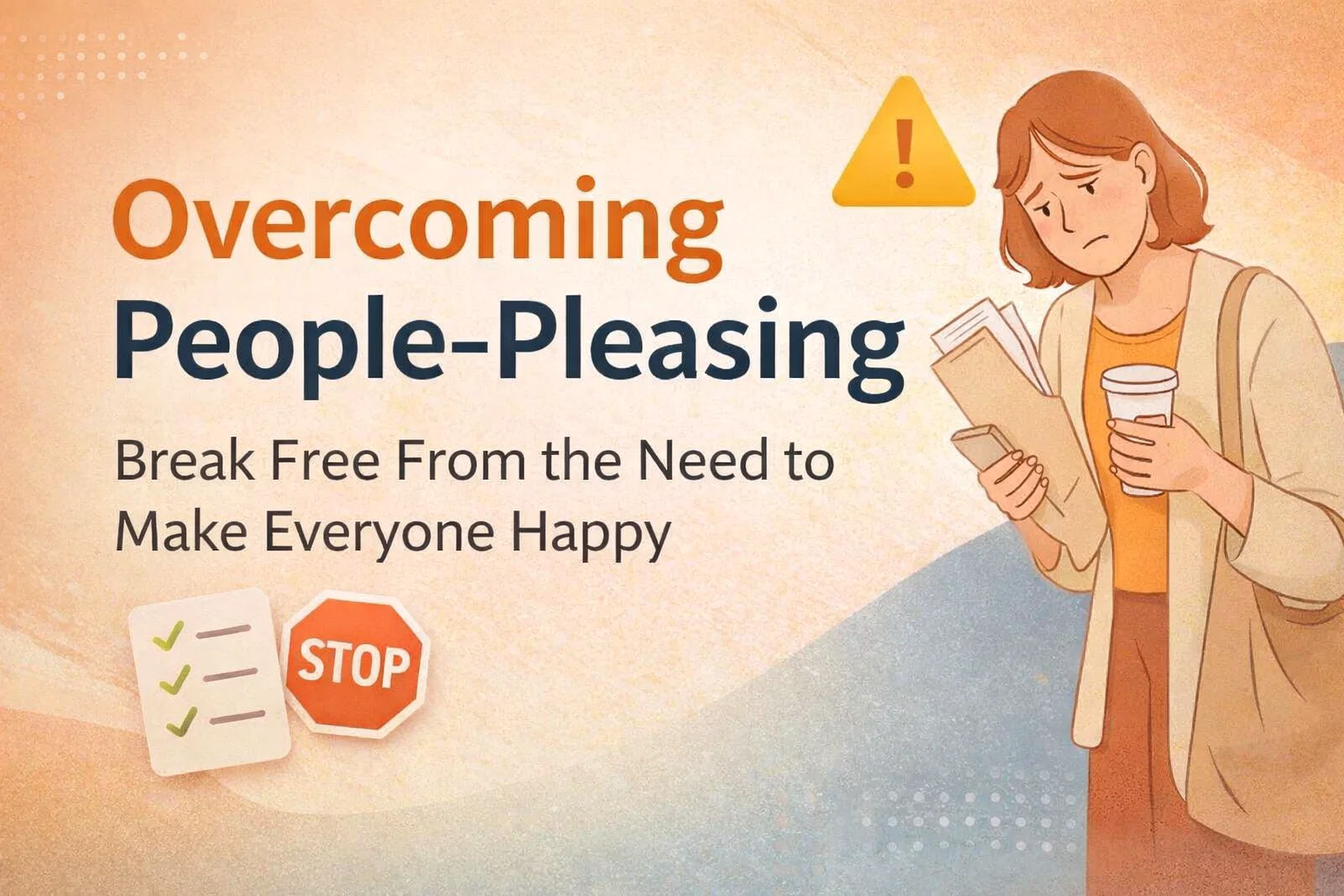
Understanding the internal mechanics of a people pleaser is more than just identifying a personality trait. It is a deep dive into the psychological survival strategies we developed long ago. When we look at the core pattern of a pleaser, we see a person who has equated safety with the happiness of others. This is not just about being kind or helpful; it is a fundamental belief that your value is directly tied to how easy and agreeable you can be for those around you. If you have ever felt like your own needs were too much or felt a surge of panic when someone seemed disappointed in you, you are likely navigating the complex waters of the pleaser archetype. This post explores why we do this, the heavy cost of self-abandonment, and how to finally make the shift toward internal security.
The Origins of the Pleaser Archetype
Nobody is born a people pleaser. Instead, this behavior is a learned response to an environment where love felt conditional. In many cases, this starts in childhood. If you grew up in a household where you only received attention or praise when you were being helpful or staying out of the way, your brain began to wire itself for performance. You learned that being easy meant being safe. When a child perceives that their parents or caregivers are stressed, angry, or overwhelmed, they often take it upon themselves to fix the mood. This creates a blueprint where the comfort of others must always come before your own.
The Conditional Love Trap
When love is conditional, it feels like a prize to be won rather than a right to be enjoyed. You might have noticed that when you were agreeable and compliant, things went smoothly. But the moment you expressed a differing opinion or showed a need that required effort from others, the atmosphere changed. You were told, either directly or through subtle cues, that your needs were a burden. Over time, this solidifies into a core belief: If I am good enough, I will finally be loved. The tragedy of this belief is that the bar for being good enough is constantly moving, leaving you in a perpetual state of striving.
Safety Through Compliance
For a pleaser, conflict feels like an existential threat. Because your early safety depended on keeping the peace, any sign of tension triggers a fight or flight response. You choose to fawning as a way to neutralize the threat. By making others happy, you ensure they won’t leave you or hurt you. This survival mechanism is incredibly effective for a child in a difficult situation, but it becomes a massive obstacle for an adult trying to build healthy, balanced relationships.
How People Pleasing Shows Up in Your Daily Life
Recognizing the symptoms of people pleasing is the first step toward breaking the cycle. It often hides behind the guise of being a nice person, but the underlying motivation is fear rather than genuine altruism. If you pay close attention to your daily interactions, you might see these patterns playing out in real time.
The Automatic Yes
One of the most common signs is saying yes before you have even checked in with yourself. It is a knee-jerk reaction. Someone asks for a favor, and the word yes is out of your mouth before you have considered your schedule, your energy levels, or even if you want to do the task. This happens because the thought of saying no creates immediate anxiety. You would rather overextend yourself than deal with the perceived discomfort of turning someone down.
Over-Apologizing for Existing
Do you find yourself saying sorry for things that aren’t your fault? You might apologize for the weather, for taking up space, or for asking a simple question. This over-apologizing is a way of shrinking yourself. It is a preemptive strike against any potential criticism. By apologizing for existing, you are sending a message that you are aware of your potential to be a nuisance and are working hard to minimize it.
Feeling Responsible for Everyone’s Mood
If you walk into a room and immediately scan the faces of everyone there to gauge the emotional temperature, you are likely a pleaser. You feel a heavy weight of responsibility to fix anyone who is sad, angry, or disappointed. If a friend is having a bad day, you feel like it is your job to cheer them up. This emotional labor is exhausting because you are trying to control something that is fundamentally outside of your control: other people’s internal states.
the High Cost of Self-Abandonment
While people pleasing might keep the peace in the short term, the long term costs are devastating. When you spend all your energy focusing on the needs of others, you inevitably abandon yourself. This self-abandonment leads to a profound sense of emptiness and a loss of identity. You become a mirror reflecting what others want to see, but when you look in the mirror yourself, you aren’t sure who is looking back.
The Void of Emptiness
You might wonder why you feel so empty even when you are surrounded by people who claim to love you. The truth is that they love the version of you that you have curated for them. Because you haven’t shown them your true self, including your boundaries and your needs, you don’t feel truly seen. This creates a paradox where the more you please others, the more lonely you feel. You are essentially a stranger in your own life.
The Resentment Slow Burn
No one can give and give without eventually feeling resentful. Because you aren’t expressing your needs, they go unmet. You might start to feel bitter toward the people you are helping, even though they haven’t actually done anything wrong. They are simply operating under the assumption that you are happy to help because you always say yes. This resentment can poison your relationships and lead to sudden, explosive outbursts when the pressure finally becomes too much to handle.
Breaking the Fear of Rejection
At the heart of people pleasing is a core fear: If I disappoint them, they will leave. This fear is what keeps the cycle spinning. To break free, you have to confront this fear and realize that it is based on an old narrative that is no longer true. Disappointment is a natural part of human interaction, and it is not a death sentence for a relationship.
Learning to Tolerate Disappointment
The biggest hurdle in stopping people pleasing is the discomfort you feel when you set a boundary. You have to learn to sit with the fact that someone might be unhappy with your choice. Their disappointment is a reflection of their expectations, not your worth. It takes practice to realize that the world doesn’t end when you say no. In fact, healthy people will respect you more for having boundaries.
No is Not a Rejection
We often view the word no as a harsh rejection or an act of aggression. In reality, no is simply information. It informs the other person about your current capacity, your preferences, and your limits. When you give someone a clear no, you are actually being more honest and respectful than if you gave a half-hearted yes that you later resented. You are providing them with the truth of where you stand.
The Shift: Their Disappointment is Not Your Emergency
The most powerful shift you can make is internalizing the idea that someone else’s emotional state is not your emergency. You are responsible for your actions and your intentions, but you are not responsible for how others choose to interpret or react to them. This realization is incredibly freeing. It allows you to step back and stop trying to manage the unmanageable.
Building Internal Safety
To stop seeking safety through the approval of others, you must learn to provide that safety for yourself. This means becoming your own advocate. It means checking in with yourself before making commitments and honoring your own needs as much as you honor the needs of others. When you build a solid foundation of self-trust, the opinions of others lose their power to destabilize you.
Practicing Self-Compassion
Be kind to yourself as you navigate this change. You are unlearning decades of conditioning. There will be days when you slip back into old habits, and that is okay. The goal is not perfection but awareness. Each time you catch yourself over-apologizing or saying yes when you want to say no, you have an opportunity to make a different choice. Celebrate the small wins, like the first time you set a minor boundary or the first time you didn’t apologize for something that wasn’t your fault.
Conclusion: Reclaiming Your Life
Moving away from the pleaser archetype is one of the most courageous things you can do. It requires you to face your deepest fears and redefine your relationship with yourself and the world. By recognizing that your value is inherent and not something you have to earn, you open the door to genuine connection and authentic living. You no longer have to abandon yourself to be loved. The right people will love you for who you are, boundaries and all. It is time to stop wondering why you feel empty and start filling your own cup first. Your life belongs to you, and you are finally allowed to be the most important person in it.