Stop Bladder Leakage 5-Minute Pelvic Floor Exercises for Women HealthHacks CoreStrength
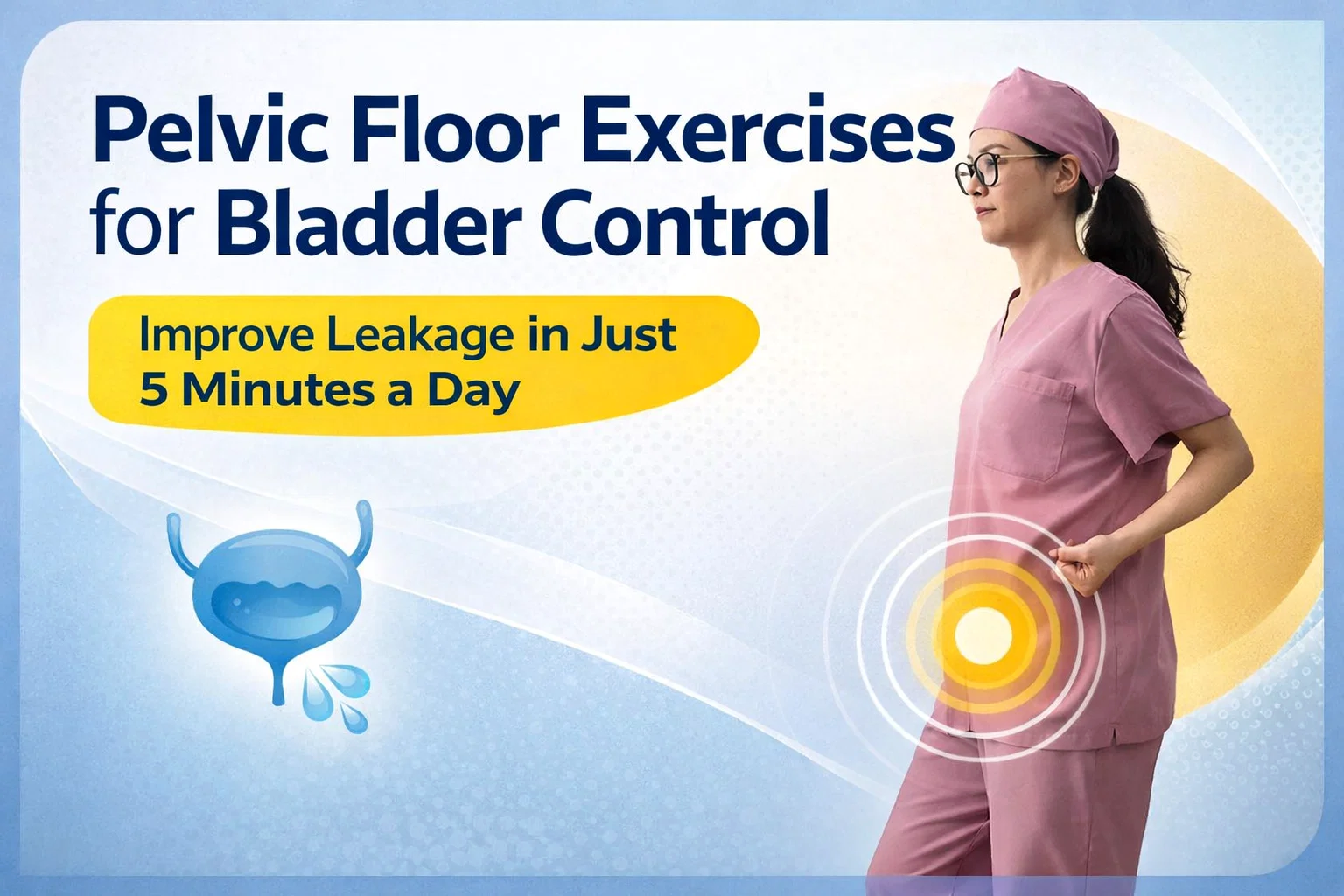
Dealing with the unexpected frustration of bladder leakage is a challenge that millions of women face daily. Whether it happens during a workout, a sudden sneeze, or a heartfelt laugh, that moment of realization can feel incredibly isolating. However, as the image suggests, regaining control does not require invasive procedures or hours at the gym. In fact, just five minutes of dedicated focus on your pelvic floor muscles every single day can lead to transformative results. This guide dives deep into why these muscles matter, how they function, and the practical steps you can take to strengthen your core from the inside out.
Understanding the Foundation: What is the Pelvic Floor?
Think of your pelvic floor as a sturdy, flexible hammock. This group of muscles and ligaments stretches from your pubic bone at the front to your tailbone at the back. Its primary job is to support your pelvic organs, including the bladder, uterus, and bowel. When these muscles are strong and resilient, they act like a high performance valve, keeping everything in place and controlling the flow of urine.
Over time, various life events can cause this hammock to sag or lose its elasticity. Pregnancy, childbirth, hormonal changes during menopause, and even high impact sports can put significant strain on the area. When the pelvic floor weakens, it leads to what doctors call stress incontinence. This is the scientific term for that annoying leakage that occurs when physical pressure is placed on the bladder. By understanding that this is a muscular issue, you can begin to treat it like any other fitness goal. Just as you would train your biceps or your glutes, you can train your pelvic floor to be more reliable.
The Five Minute Routine: Consistency Over Intensity
The beauty of pelvic floor rehabilitation is that it does not require a gym membership or heavy equipment. As seen in the instructional visual, these exercises can be performed in your everyday clothes, right in the comfort of your living room. The key to success is not how hard you squeeze, but how consistently you do it. A five minute routine, performed daily, is far more effective than a thirty minute session once a week.
Step 1: Finding the Right Muscle Group
Before you begin your five minute timer, you must ensure you are targeting the correct area. Many people accidentally tighten their abdominals, buttocks, or inner thighs instead of the pelvic floor. A common trick to identify the right muscles is to imagine you are trying to stop the flow of urine or prevent passing gas. The sensation should be a lift and a squeeze upward and inward. Once you have identified this feeling, you are ready to start the active portion of your routine.
Step 2: The Slow Squeeze for Endurance
Spend the first two minutes focusing on endurance. Contract your pelvic floor muscles and hold the squeeze for five to ten seconds. Breathe normally throughout the hold; holding your breath creates internal pressure that can actually push down on the muscles you are trying to lift. Relax for an equal amount of time before repeating. This trains the slow twitch muscle fibers that provide all day support for your organs.
Step 3: Rapid Contractions for Reflex Strength
The next two minutes should focus on quick flicks. Squeeze the muscles as hard as you can for one second and then release immediately. Repeat this rapidly. This specific movement trains the fast twitch muscle fibers. These are the fibers responsible for reacting instantly when you cough or jump, providing that much needed protection against sudden leaks.
Step 4: Functional Integration
Use the final minute to practice engaging these muscles while moving. Stand up, sit down, or take a few steps while maintaining a light contraction. This bridges the gap between exercise and real life, teaching your body to support itself during your normal daily activities.
Why Core Strength and Pelvic Health Go Hand in Hand
It is a common misconception that the pelvic floor exists in a vacuum. In reality, it is a vital component of your deep core. This system includes your diaphragm at the top, your transverse abdominis around the middle, and your multifidus muscles along the spine. They all work together to create stability.
When you improve your pelvic floor strength, you often find that your posture improves and your lower back pain decreases. Conversely, focusing on general core stability can take some of the load off your pelvic floor. Incorporating gentle movements like bird-dogs or pelvic tilts into your daily life can provide a holistic approach to your health. By viewing your body as an interconnected system, you ensure that your progress is sustainable and well rounded.
Lifestyle Hacks to Support Your Progress
While the five minute exercise routine is the cornerstone of recovery, your daily habits play a significant role in how quickly you see results. Small adjustments to your lifestyle can complement your physical training and reduce the frequency of leakage episodes.
- Hydrate Wisely: Many people make the mistake of drinking less water to avoid trips to the bathroom. This actually irritates the bladder and can make leakage worse. Stick to steady hydration throughout the day.
- Watch the Irritants: Caffeine, alcohol, and highly acidic foods can trigger bladder urgency. If you notice an uptick in leakage, try tracking your intake to see if certain foods are acting as triggers.
- Manage Your Weight: Excess weight can put constant pressure on the pelvic hammock. Maintaining a healthy weight through balanced nutrition helps reduce the physical load on these muscles.
- Practice Good Bathroom Habits: Avoid hovering over the toilet or rushing. Allow your muscles to relax fully during elimination to prevent unnecessary strain.
The Psychological Impact of Regaining Control
Physical health is only one side of the coin. The mental and emotional toll of bladder leakage is often overlooked. It can lead to social anxiety, a fear of exercise, and a decrease in self confidence. When you commit to a daily routine and start seeing improvement, the shift in your mindset is often just as powerful as the physical strengthening.
Regaining control over your body allows you to say yes to more opportunities. You can head to a yoga class without worry, go for a run with friends, or play with your children without hesitation. This newfound freedom fosters a sense of empowerment. It turns a source of shame into a journey of self care and resilience.
Common Myths About Pelvic Health Debunked
There is a lot of misinformation surrounding this topic, which can often discourage women from seeking help or starting a routine. Let us clear up some of the most frequent myths.
Myth 1: It is just a part of aging.
While leakage is common, it is not an inevitable or normal part of getting older. You do not have to just live with it. Regardless of your age, these muscles can be strengthened and function can be improved.
Myth 2: Surgery is the only real fix.
For many women, conservative management through exercise and lifestyle changes is incredibly effective. Surgery is usually considered a last resort when physical therapy and consistent exercise have not provided the desired relief.
Myth 3: You only need to do these after having a baby.
Pelvic health is important for everyone. Even if you have never been pregnant, high impact athletics or chronic coughing can weaken the area. Starting a preventative routine early is one of the best things you can do for your long term wellness.
Advanced Techniques: When to Seek Professional Help
While a home routine is a fantastic starting point, some situations benefit from a more personalized approach. If you have been consistent with your five minute daily routine for several weeks and have not noticed any change, it might be time to consult a pelvic floor physical therapist. These specialists use tools like biofeedback and manual therapy to ensure you are engaging the right muscles and to address any underlying issues like muscle tightness or scar tissue.
A professional can provide a tailored plan that accounts for your specific history and physical needs. They can also help identify if your leakage is caused by an overactive bladder rather than muscle weakness, which requires a different treatment strategy altogether. Never hesitate to advocate for your health and seek out expert guidance when needed.
Conclusion: Your Path to a Leak Free Life
The journey to a stronger pelvic floor is not about perfection; it is about progress. The visual reminder to dedicate just five minutes a day is a powerful tool because it makes a seemingly overwhelming problem feel manageable. By integrating these simple squeezes and lifts into your daily ritual, you are investing in your future comfort, confidence, and physical freedom.
Consistency is your greatest ally. Whether you do your exercises while brushing your teeth, waiting for your coffee to brew, or sitting at your desk, those small moments add up to significant change. Embrace this simple health hack as a form of self respect. You deserve to live a life free from the worry of leakage, and the power to achieve that is quite literally within you. Start today, stay committed, and enjoy the benefits of a stronger, more resilient core.