Stop Hair Fall Naturally 6 Simple Tips for a Daily Healthy Hair Care Routine
Watching extra strands of hair gather in your brush or at the bottom of the shower drain can be a stressful experience. While it is completely normal to shed a certain amount of hair every day, noticing a sudden increase in hair fall often feels like a call to action. The good news is that for many people, hair loss can be managed and even reversed by adopting a more intentional and natural approach to hair care. Instead of reaching for harsh chemical treatments that might offer a quick fix but cause long term damage, focusing on gentle habits and internal health can yield lasting results. This guide explores the most effective ways to stop hair fall naturally by refining your daily routine and embracing positive hair care habits that promote strength and vitality.
The Foundation of Gentle Hair Cleansing
One of the most overlooked causes of hair breakage and scalp irritation is the products we use to clean our hair. Many commercial shampoos are formulated with aggressive surfactants like sodium lauryl sulfate. While these ingredients create a satisfying lather and remove oils, they can also strip the hair of its protective moisture barrier. When your hair is chronically dry, it becomes brittle and far more prone to snapping and falling out.
Switching to a Mild Shampoo
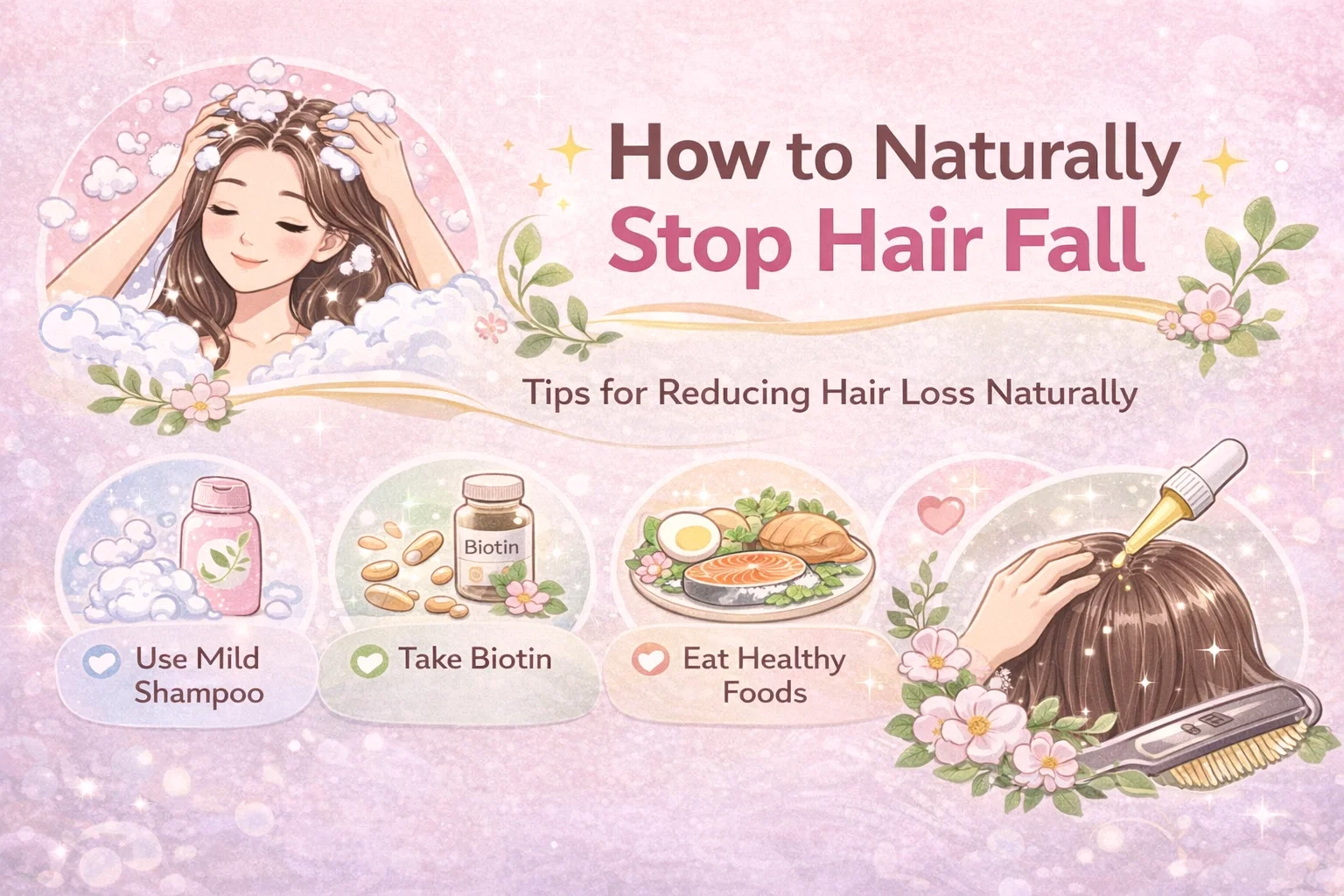
To support a healthy hair growth cycle, it is essential to wash your hair with a mild, sulfate-free shampoo. These formulas cleanse the scalp without causing inflammation or excessive dryness. When washing, focus the product on the roots and scalp where oil buildup occurs. Allow the suds to gently rinse through the lengths of your hair rather than scrubbing the ends vigorously. This simple shift helps maintain the integrity of the hair shaft and keeps the scalp environment balanced and healthy.
Frequency of Washing
Over-washing is another common habit that contributes to hair thinning. Washing your hair every single day can lead to a rebound effect where the scalp produces even more oil to compensate for the dryness, or it can leave the scalp perpetually irritated. Most hair experts suggest washing two to three times a week. This allows your natural oils to nourish the hair from root to tip, providing a natural shield against environmental stressors.
Nutritional Support for Stronger Hair
What you put into your body is just as important as what you put on your head. Hair is technically a non-essential tissue in the eyes of the body, meaning that if you are lacking in nutrients, your system will redirect those vitamins to vital organs first, leaving your hair to suffer. To stop hair fall naturally, you must ensure your internal environment is optimized for growth.
The Role of Biotin Supplements
Biotin, also known as Vitamin B7, is a crucial nutrient for the production of keratin, the protein that makes up your hair, skin, and nails. Many people find that taking a high-quality biotin supplement helps to improve hair thickness and reduce shedding over time. While supplements are a great boost, it is always wise to consult with a healthcare professional to determine the right dosage for your specific needs. Consistency is key when it comes to supplements, as it often takes several months of regular intake to see the physical results in your hair density.
Eating a Balanced and Healthy Diet
A supplement should never replace a nutrient-dense diet. For vibrant hair, focus on incorporating plenty of lean proteins, healthy fats, and antioxidants into your meals. Foods like eggs, berries, spinach, fatty fish, and avocados are packed with the vitamins and minerals your hair follicles crave. Iron and zinc are particularly important; a deficiency in either can lead directly to increased hair fall. By eating a rainbow of whole foods, you provide your body with the building blocks necessary to produce strong, resilient hair strands.
Mastering the Art of Gentle Handling
Hair is at its most vulnerable when it is wet or when it is being manipulated. Many people unknowingly cause significant damage through rough brushing or tight hairstyles. Learning to handle your hair with a sense of “gentle care” can significantly reduce the amount of hair you lose to mechanical breakage.
How to Brush Without Damage
Brushing should never be a chore that you rush through. To be gentle when brushing, always start from the ends of your hair and slowly work your way up to the roots. This prevents you from pulling a knot through the entire length of the hair, which often results in the strand snapping. Using a wide-tooth comb or a brush with flexible bristles can also make a massive difference. If you encounter a stubborn tangle, use your fingers to loosen it first rather than forcing the brush through.
Protective Styling and Sleep Habits
The way you wear your hair during the day and how you treat it at night impacts its longevity. Tight ponytails and buns can cause traction alopecia, a type of hair loss caused by constant pulling on the follicles. Opt for loose styles and use silk or satin scrunchies instead of rubber bands. Additionally, sleeping on a silk pillowcase reduces friction while you toss and turn, preventing tangles and morning breakage.
The Power of Weekly Scalp Care
A healthy scalp is the “soil” from which your hair grows. If the scalp is tight, dry, or has poor circulation, hair growth will be sluggish. Integrating a weekly scalp treatment into your routine is one of the most effective natural remedies for hair fall.
Oiling Your Scalp for Growth
Oil treatments have been used for centuries in various cultures to maintain thick, luscious hair. Oiling your scalp weekly helps to moisturize the skin, remove dead skin cells, and deliver nutrients directly to the follicles. Popular choices include rosemary oil, which has been shown in studies to be as effective as some medicinal treatments for hair growth, as well as coconut, almond, or jojoba oils. Use a dropper to apply the oil directly to the scalp and spend five to ten minutes massaging it in with your fingertips. This massage increases blood flow to the area, ensuring that oxygen and nutrients reach the hair roots efficiently.
Detoxifying the Follicles
Over time, products like dry shampoo, hairspray, and even hard water minerals can build up on the scalp, clogging the follicles. A weekly scalp massage combined with a gentle oil or a clarifying rinse can help clear this buildup. When the follicles are clear and the blood is flowing, your hair has the best possible chance to grow in strong and healthy.
Minimizing Heat and Chemical Stress
In our modern world, we are often obsessed with styling our hair to perfection. However, the high heat from blow dryers, flat irons, and curling wands can cook the proteins in your hair, leading to a “bubble hair” effect where the shaft becomes filled with air pockets and snaps easily.
Avoiding Heat Styling
To stop hair fall naturally, it is vital to reduce your reliance on heat. Try to air dry your hair whenever possible. If you must use a hair dryer, use the coolest setting and keep the nozzle moving. For those who love curls or waves, look into heatless styling methods like silk ribbons or foam rollers. These methods provide beautiful results without the devastating thermal damage. If you do use heat occasionally, always apply a high-quality heat protectant spray first to create a barrier between your hair and the tool.
Embracing Your Natural Texture
Chemical treatments like bleaching, perming, or relaxing fundamentally alter the structure of your hair, making it more porous and fragile. Embracing your natural texture not only saves you time and money but also allows your hair to recover its natural strength. If you choose to color your hair, consider natural alternatives like henna or semi-permanent glosses that do not contain ammonia or harsh developers.
Managing Stress and Lifestyle Factors
It is no secret that our physical health is deeply tied to our emotional well-being. High levels of stress can push hair follicles into a resting phase, leading to a condition called telogen effluvium, where large amounts of hair fall out at once. Managing your lifestyle is just as important as your topical treatments.
The Stress-Hair Connection
When you are stressed, your body produces cortisol, which can interfere with the hair growth cycle. Incorporating stress-reduction techniques like yoga, meditation, deep breathing exercises, or even regular walks in nature can have a profound impact on your hair health. Quality sleep is also essential, as this is the time when your body undergoes cellular repair, including the repair of hair follicles.
Consistency and Patience
Natural remedies and habit shifts do not work overnight. The hair growth cycle is a slow process, and it usually takes three to six months of a consistent routine to see visible changes in hair density. Stay patient and stay positive. By focusing on these healthy habits, you are not just stopping hair fall; you are cultivating a lifestyle that supports long term wellness and confidence.
Conclusion: A Holistic Approach to Hair Health
Stopping hair fall naturally is about more than just finding a “miracle” product. It is a holistic journey that involves nurturing your body from the inside, being mindful of how you handle your strands, and eliminating the stressors that lead to damage. By switching to mild cleansing products, prioritizing nutrition through diet and biotin, being gentle during styling, and treating your scalp to weekly nourishment, you create the perfect environment for your hair to thrive. Remember that your hair is a reflection of your overall health, so treat it with the kindness and patience it deserves. Start implementing these simple daily habits today, and over time, you will likely see a stronger, fuller, and healthier mane that you can be proud of. Save these tips and stay consistent; your future self will thank you for the extra care you provided today.