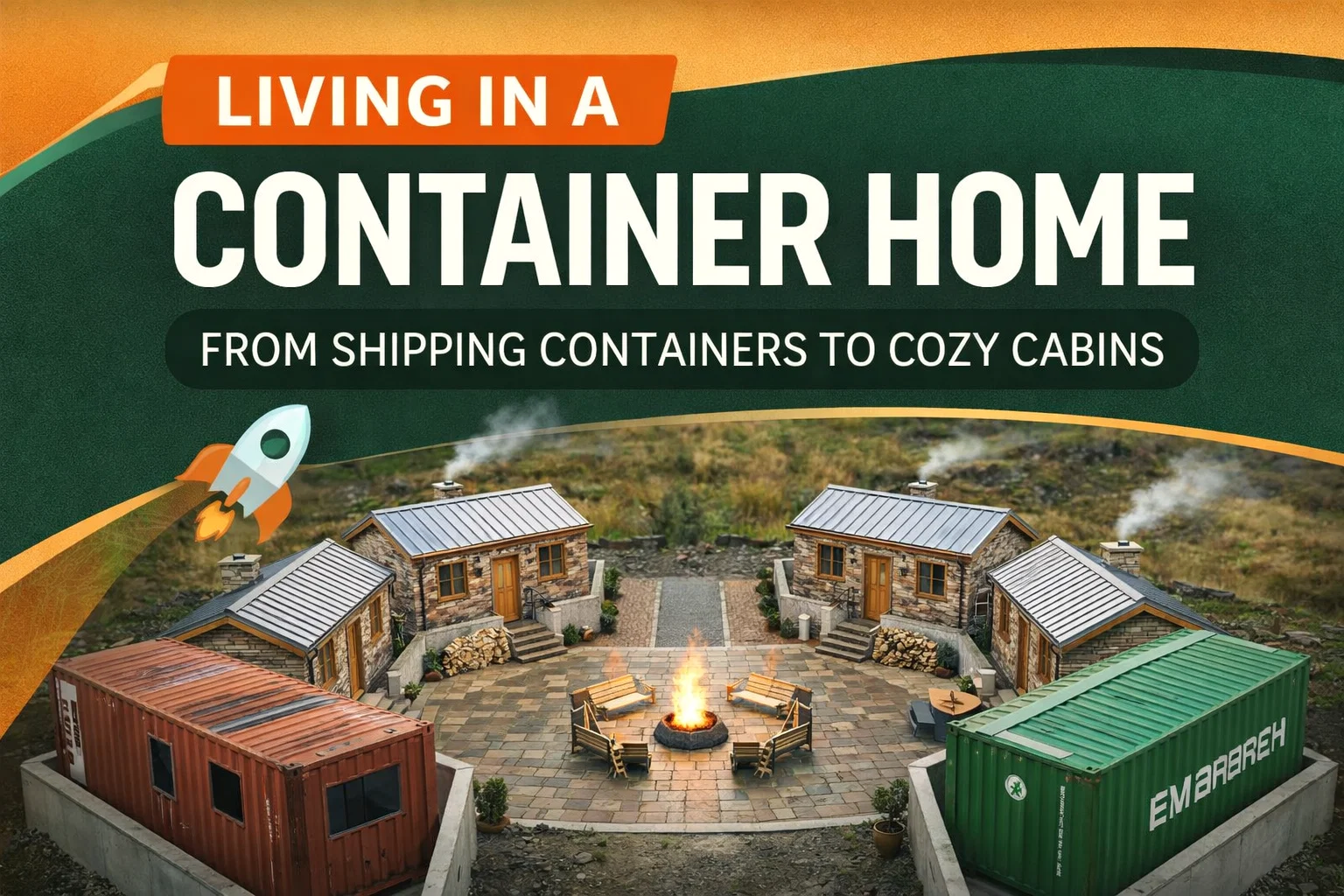
Stunning Shipping Container Home Transformation Modern Stone Cottage Village Design
The architectural world is currently witnessing a movement that feels like a quiet revolution. It is the art of the radical transformation, where heavy industrial steel meets the warmth of traditional stone masonry. Looking at the evolution from a cluster of weathered shipping containers to a sophisticated, circular stone cottage village, it is clear that we have entered a new era of sustainable luxury. This transition is not just about changing the exterior of a structure; it is about reimagining what is possible when we combine the strength of modern logistics with the timeless appeal of a cozy sanctuary. By utilizing the modular efficiency of containers, designers are creating high-end residential compounds that feel deeply rooted in the earth.
The Vision Behind Circular Container Architecture
There is something inherently comforting about a circular layout. Historically, human settlements often used curved or enclosed designs to foster a sense of community and security. When you arrange shipping containers in a radial pattern, you automatically create a private courtyard that serves as the heart of the home. This specific project showcases how six individual units can be positioned to form a cohesive village feel. Instead of one large, imposing structure, the layout encourages a lifestyle that flows between private living quarters and a shared central space. This design philosophy prioritizes both personal privacy and social interaction, making it an ideal blueprint for multi-generational living or a unique vacation rental complex.
Breaking the Industrial Mold
One of the biggest hurdles in container home design is overcoming the aesthetic of the “box.” While many enthusiasts love the raw, industrial look of an Evergreen or Maersk container, others find the corrugated steel to be cold and uninviting. The magic of this transformation lies in the cladding. By wrapping the steel shells in natural stone veneer and adding pitched metal roofs, the containers are completely disguised. From the outside, the result looks like a series of luxury Highland cottages. This approach allows homeowners to benefit from the structural integrity of steel while enjoying the visual warmth of a rustic stone cabin. It is a masterclass in hybrid construction that bridges the gap between the future and the past.
Engineering the Foundation and Structure
Before the beauty of the stone and timber can be added, a significant amount of engineering must take place. In the initial phase of this project, you can see the precise concrete footings that mirror the final circular footprint. Because shipping containers are designed to carry weight at their corners, the foundation must be perfectly level and structurally sound to prevent settling. Using a raised concrete perimeter foundation also protects the steel from ground moisture, ensuring that the home lasts for generations. This phase is perhaps the most critical, as it dictates the symmetry of the entire courtyard and the alignment of the connecting walkways.
The Benefits of Modular Steel Frames
Why start with containers if you are going to cover them up anyway? The answer lies in speed and strength. A shipping container is essentially a pre-fabricated, fire-resistant, and termite-proof steel cage. Using them as the structural “bones” of a house significantly reduces the time spent on framing. While a traditional stone house could take years to build from the ground up, these units provide an immediate enclosure. Once the containers are locked into place on the foundation, the builders can move straight to insulation, plumbing, and aesthetic finishes. It is an efficient way to achieve a high-end look without the decade-long timeline of traditional masonry.
Creating a Central Courtyard Experience
The centerpiece of this design is undoubtedly the stone-paved courtyard. By orienting each cottage toward a central fire pit, the home creates a natural gathering spot that feels separate from the outside world. This “inner sanctum” is perfect for slow living. Imagine waking up in one of the cottages, stepping out onto the gravel path, and meeting family or guests for coffee around the fire. The use of large slate pavers and neatly manicured potted plants elevates the space from a construction site to a five-star retreat. The courtyard also serves a practical purpose by providing a sheltered microclimate, protecting the entrances from harsh winds and creating a sun-drenched pocket for outdoor dining.
Integrating Indoor and Outdoor Living
Each cottage features large glass doors that face the interior circle, ensuring that every room is flooded with natural light. This design choice blurs the line between the interior and the exterior. When the doors are open, the central courtyard becomes an extension of the living room. The use of timber frames around the windows and doors adds a touch of organic texture that complements the stone walls. This level of detailing is what separates a basic container conversion from a luxury architectural project. It proves that you do not have to sacrifice style when choosing an eco-friendly or alternative building method.
Sustainable Luxury and Energy Efficiency
Sustainability is at the core of this project. Repurposing used shipping containers prevents tons of steel from going to waste, but the environmental benefits go even further. By adding thick layers of insulation and a secondary stone exterior, these cottages become incredibly energy efficient. The thermal mass of the stone helps regulate temperature, keeping the interiors cool in the summer and trapping heat during the winter. Each unit is equipped with its own chimney, suggesting that wood-burning stoves provide a renewable heat source that adds to the cozy, off-grid atmosphere.
The Longevity of Stone and Steel
When people think of “tiny homes” or container houses, they often worry about durability. However, the combination of steel and stone creates one of the most resilient structures imaginable. Unlike traditional wood-siding homes that require frequent painting or staining, stone masonry is virtually maintenance-free. It stands up to rain, snow, and intense sun without fading or rotting. By investing in high-quality exterior finishes, the owners have ensured that this village will remain beautiful and functional for many decades to come. It is a shift away from the “disposable” nature of modern construction and a return to building things that last.
Interior Design Possibilities for Compact Spaces
While the exterior is breathtaking, the interior of a shipping container requires a clever approach to design. With a standard width of about eight feet, every inch counts. In a cottage village like this, each unit can be dedicated to a specific function. One cottage might serve as a master suite, another as a gourmet kitchen and dining area, and others as guest rooms or home offices. This separation of functions makes the living experience feel much larger than it actually is. It allows for a minimalist lifestyle that does not feel cramped or cluttered because each “room” is its own independent building.
Embracing the Cozy Aesthetic
Inside these stone-clad walls, the design likely follows a “modern rustic” or “hygge” theme. Think exposed wooden beams, light-colored plaster walls, and soft, tactile fabrics. Because the exterior is so grounded and heavy, the interiors can be light and airy. High-end finishes like heated stone floors or custom-built cabinetry can turn a simple metal box into a sanctuary of comfort. The goal is to create a space that feels like a hug, a place where you can retreat from the noise of the modern world and reconnect with what matters most.
The Future of Alternative Housing
This project is a powerful example of how the alternative housing market is evolving. We are moving beyond the DIY, “living in a box” phase and into a period of sophisticated architectural innovation. People are looking for ways to live more intentionally, with less debt and a smaller environmental footprint, but they do not want to give up the comforts of a beautiful home. The shipping container village offers a middle ground. It provides a scalable, modular solution that can be customized to fit any landscape, whether it is a rugged hillside or a suburban lot.
A Blueprint for Community Living
Beyond individual homes, this circular design could be a blueprint for future communities. Imagine a neighborhood made up of several of these clusters, each with its own shared garden or workspace. This model promotes a sense of belonging and mutual support that is often missing in traditional housing developments. It is a way to live smaller while thinking bigger about our relationships with our neighbors and the land around us. The success of this transformation shows that with enough vision, we can turn the tools of global commerce into the foundations of a peaceful, sustainable home.
Concluding Thoughts on the Container Transformation
The journey from a muddy site filled with rusted steel containers to a magnificent stone cottage village is nothing short of inspiring. It serves as a reminder that our primary limitation in home design is often our own imagination. By looking past the initial appearance of materials and focusing on their structural potential, we can create spaces that are both environmentally responsible and visually stunning. This project stands as a testament to the power of upcycling and the enduring beauty of traditional craftsmanship. Whether you are an aspiring builder, an architecture enthusiast, or someone dreaming of a simpler life, there is much to learn from this incredible transformation. It is more than just a house; it is a vision of a more creative and sustainable way to live.