Sustainable Hillside Irrigation Organic Vegetable Garden Design
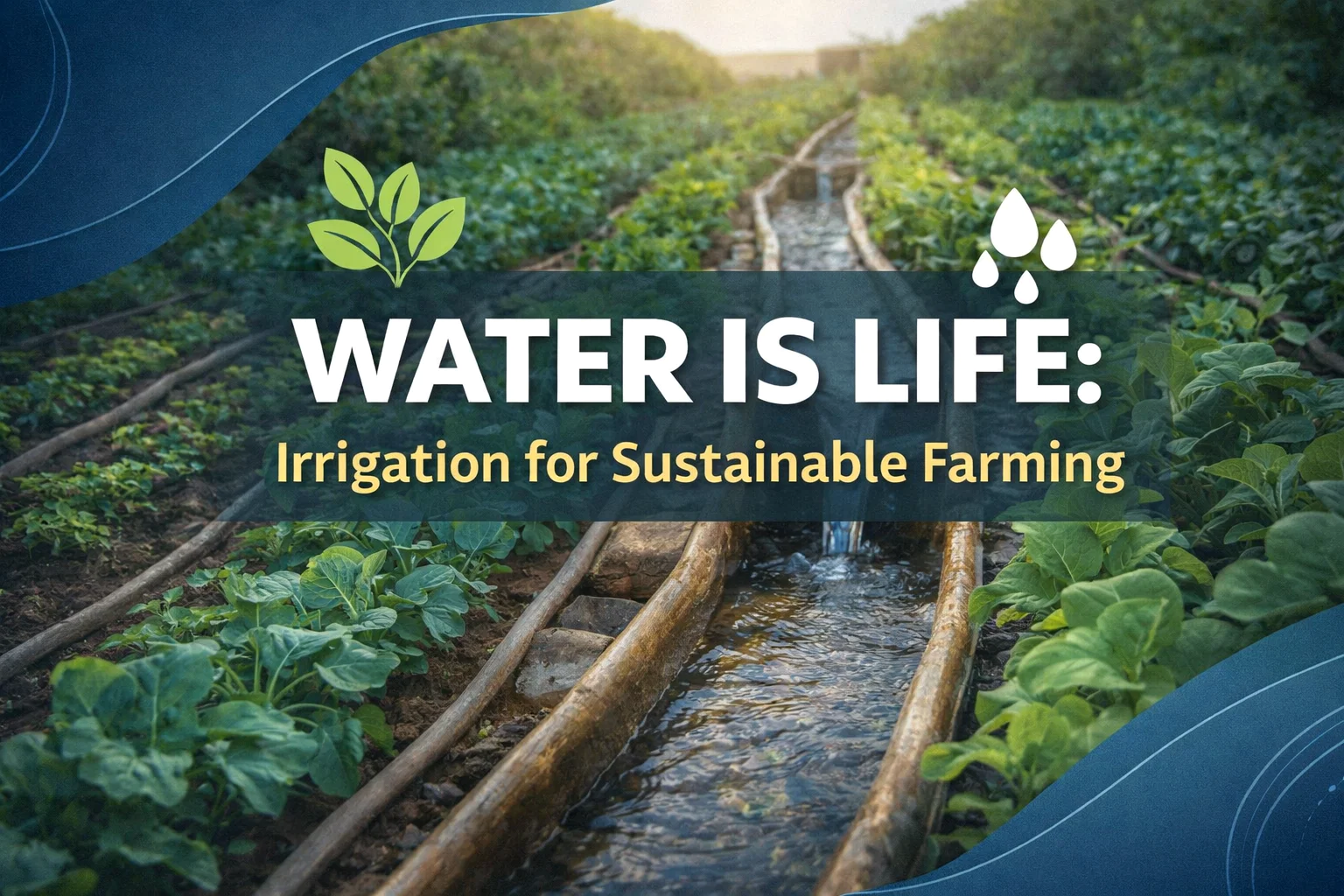
Building a self-sustaining garden is about more than just planting seeds; it is about creating a living ecosystem that works with the natural landscape rather than against it. When we look at a thriving hillside farm, we see a masterclass in resource management. The image of a gravity-fed irrigation system winding through rows of vibrant kale, potatoes, and leafy greens captures the essence of modern permaculture. It is a visual representation of the philosophy that water is life, showing us how ancient wisdom can be applied to contemporary homesteading to create something both beautiful and incredibly productive.
The Magic of Gravity Fed Irrigation Systems
One of the most striking features of a functional hillside garden is the use of gravity to move water. In many traditional gardening setups, we rely heavily on electric pumps or pressurized municipal water, which can be costly and prone to failure. However, by placing a central water reservoir at the highest point of the property, a gardener can harness the natural pull of the earth to distribute hydration to every single plant.
The flume system seen in the visual is a perfect example of this efficiency. These wooden or bamboo channels allow water to flow steadily downward, spilling over from one level to the next in a controlled manner. This method ensures that the soil remains consistently moist without becoming waterlogged. It also adds a tranquil, rhythmic sound to the garden, turning a chore into a peaceful sensory experience. When you design with gravity in mind, you are essentially letting nature do the heavy lifting for you.
Designing for the Slope
Gardening on a slope presents unique challenges, particularly regarding soil erosion and nutrient runoff. If you simply plant on a hill without any structural intervention, a heavy rainstorm can wash away your topsoil and leave your plants’ roots exposed. This is where terracing and strategic row placement come into play.
By creating level “steps” or planting rows that follow the contours of the land, you slow down the movement of water. This gives the earth more time to absorb the moisture. In the featured garden, we see how the rows of vegetables are aligned perfectly with the irrigation channels. This proximity ensures that the roots have direct access to the water as it passes by. The use of mulch and stones along the edges further stabilizes the soil, keeping the nutrients right where the plants need them most.
Choosing the Right Crops for a Sustainable Harvest
A successful organic garden is defined by the diversity of its crops. When you look at a well-planned hillside plot, you notice a variety of textures and colors, each representing a different nutritional profile and growth habit. Integrating different vegetable families is a key component of companion planting and natural pest management.
Leafy Greens and Brassicas
Kale, cabbage, and other leafy greens are the stars of the cool-season garden. They thrive in the well-drained soil of a hillside because they dislike “wet feet” or standing water. These plants are heavy feeders, meaning they require a lot of nitrogen and organic matter to produce those large, nutrient-dense leaves. By placing them near the irrigation flumes, they receive a steady supply of hydration, which prevents the leaves from becoming bitter during warmer parts of the day.
Root Crops and Tubers
Potatoes are another fantastic choice for this type of environment. They are incredibly hardy and can produce a massive amount of food in a relatively small space. In a terraced or sloped garden, the loose, aerated soil allows the tubers to expand easily. The visual of potatoes resting on the dark, rich earth highlights the importance of soil quality. Using organic compost and natural fertilizers ensures that these root crops are packed with flavor and minerals that you simply cannot find in store-bought varieties.
The Vital Role of Soil Health in Organic Farming
You can have the best irrigation system in the world, but if your soil is dead, your plants will struggle. Organic farming focuses on building “living soil” filled with beneficial bacteria, fungi, and earthworms. These organisms work together to break down organic matter and turn it into plant-available nutrients.
In a hillside setup, maintaining soil health requires a bit more intentionality. Because water is constantly moving downward, it can take soluble nutrients with it. To combat this, sustainable gardeners use plenty of organic mulch. Mulch acts like a blanket, protecting the soil from the sun, suppressing weeds, and slowly decomposing to add carbon back into the earth. It also helps the soil retain the water delivered by the gravity system, reducing the overall amount of water needed to keep the garden lush.
Natural Pest Control Strategies
When you grow food organically, you move away from chemical pesticides and toward biological solutions. A diverse garden naturally attracts beneficial insects like ladybugs, hoverflies, and predatory wasps that keep aphid and caterpillar populations in check. The presence of water in the garden also attracts frogs and birds, both of which are excellent at hunting garden pests. By creating a balanced environment, you reduce the need for human intervention and allow the ecosystem to regulate itself.
Water is Life: The Philosophy of Conservation
The phrase “Water is Life” is more than just a motto; it is a fundamental truth of agriculture. In many parts of the world, water is a scarce resource, and learning how to use it wisely is essential for the future of food security. A sustainable garden emphasizes conservation at every turn.
Collecting rainwater in large tanks is the first step. By capturing what falls from the sky, you reduce your reliance on external sources. The second step is efficient distribution. The open flume system is not only beautiful but allows the gardener to see exactly where the water is going. There are no hidden leaks in underground pipes to worry about. Every drop is accounted for and directed toward the thirsty roots of the vegetables.
The Benefits of Homegrown Food
There is an incredible sense of empowerment that comes from walking out into your backyard and harvesting your dinner. Homegrown vegetables are superior in every way. They are fresher, as they haven’t been sitting in a truck for days. They are more nutritious, because they were grown in mineral-rich organic soil. Most importantly, they taste better. The sweetness of a fresh-picked carrot or the crispness of kale grown in your own garden is a reward that makes all the hard work worth it.
Beyond the physical benefits, gardening provides a deep sense of mental well-being. Connecting with the earth, watching a tiny seed turn into a massive plant, and working outdoors are all proven ways to reduce stress and improve mood. A garden like the one we see here is a sanctuary for the soul as much as it is a pantry for the kitchen.
Building Your Own Hillside Oasis
If you have a sloped yard and have been afraid to garden on it, let this be your inspiration. You do not need a massive budget or heavy machinery to get started. Begin by observing how water naturally moves across your land during a rainstorm. Use that information to plan your terraces and paths.
Start small with a few rows of hardy vegetables and a simple water catchment system. As you become more comfortable with the rhythms of your land, you can expand your irrigation and add more variety to your crops. Remember that a garden is a work in progress. Each season is an opportunity to learn, to experiment, and to grow closer to the goal of self-sufficiency.
Essential Tools for the Sustainable Gardener
To maintain a system like this, you will want a few key items in your shed. A good quality spade and garden fork are essential for preparing the soil without destroying its structure. Leveling tools will help you ensure your terraces are even, and a sturdy pair of gloves will protect your hands during the heavy work of moving stones or building flumes. Over time, your most valuable tool will be your own observation. Learning to “read” your plants and soil will tell you more than any book ever could.
Conclusion: The Future is Green
The image of a productive, water-wise hillside garden is a beacon of hope in a world that is increasingly looking for sustainable solutions. It proves that we can produce high-quality, organic food while being excellent stewards of the land. By embracing gravity-fed systems, soil conservation, and organic practices, we create a legacy of health and resilience for ourselves and the generations to come.
Whether you are a seasoned farmer or a beginner with a small backyard, there is something deeply inspiring about the marriage of functionality and beauty. Let the mantra “Water is Life” guide your gardening journey. As you pour your energy into the earth, the earth will surely pour its bounty back into you. Happy gardening, and may your harvests be plentiful and your soil always rich!