Sustainable Rainwater Harvesting System for Home Garden Irrigation
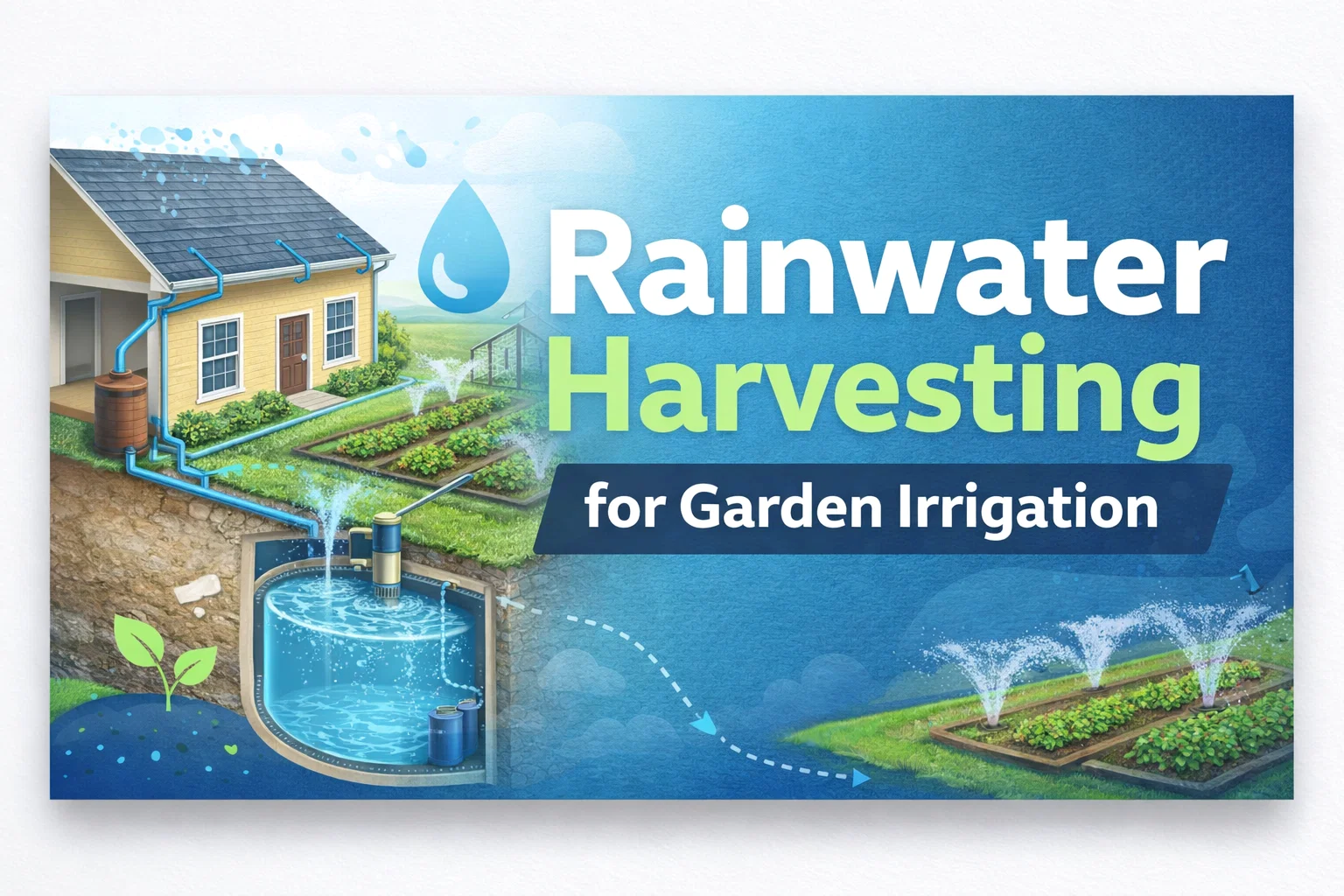
Capturing rainwater is one of the most rewarding steps you can take toward a self-sufficient and sustainable lifestyle. When you look at a well-designed harvesting system, you see more than just pipes and tanks; you see a closed-loop cycle that respects the natural environment while providing your garden with the highest quality water possible. Modern rainwater harvesting has evolved far beyond the simple rain barrel tucked under a downspout. Today, integrated systems like the one pictured can manage everything from roof collection to underground storage and automated pressurized irrigation. This approach not only saves money but also ensures your landscape thrives even during dry spells or local water restrictions.
The Mechanics of a Professional Rainwater Harvesting System
Understanding how water moves from your roof to your plants is the first step in designing a system that works for your specific property. The process begins during a rain event when water hits the surface of your roof. Rather than allowing this precious resource to wash away into storm drains, carrying pollutants into local waterways, a harvesting system directs it through a series of gutters and downspouts.
Roof Collection and Pre-Filtration
The roof acts as the primary catchment area. The material of your roof matters, as metal or tile surfaces often provide cleaner runoff than asphalt shingles. As the water descends through the downspouts, it passes through an initial filtration phase. This often involves leaf guards or first-flush diverters that ensure the debris from the roof, such as twigs or dust, does not enter your main storage tank. This keep the system running smoothly and prevents the buildup of organic matter in your cistern.
The Underground Cistern: High-Capacity Storage
While rain barrels are great for small tasks, an underground cistern is the heart of a serious home irrigation setup. By placing the tank below the frost line, you protect the water from extreme temperature fluctuations and keep it dark, which prevents algae growth. These tanks can be made of high-density polyethylene, fiberglass, or concrete, and they are capable of holding thousands of gallons. This high capacity is what allows a gardener to bridge the gap between heavy spring rains and the scorching heat of mid-summer.
From Storage to Soil: The Role of the Pump
Gravity is a powerful force, but it is rarely enough to power a modern irrigation system. This is where a submersible or external pump becomes essential. The pump draws water from the cistern and provides the necessary pressure to run sprinklers, drip lines, or garden hoses. In a professional setup, the pump is often connected to a pressure switch, meaning it only activates when you turn on a tap or when an automated timer triggers the irrigation cycle.
Inlet Pipes and Overflow Management
The inlet pipe is the gateway for water entering the tank, and its design is crucial for maintaining water quality. A calmed inlet ensures that as new water enters the cistern, it does not stir up any fine sediment that has settled at the bottom. Additionally, every system needs an overflow mechanism. When the cistern reaches its maximum capacity during a heavy storm, the overflow pipe safely directs excess water away from the home foundation and toward a rain garden or drainage field.
Why Rainwater is Superior for Your Garden
If you have ever noticed that your plants look significantly greener and more vibrant after a rainstorm compared to after you water them with a hose, you are seeing the science of rainwater at work. Municipal water is often treated with chlorine, fluoride, and other chemicals to make it safe for human consumption, but these additives are not necessarily beneficial for soil microbiology. Rainwater is naturally soft and free of these salts and chemicals.
Balanced pH for Optimal Nutrient Uptake
Most plants thrive in slightly acidic conditions, and rainwater typically has a pH that perfectly matches this preference. When the pH of your water is in the right range, it unlocks nutrients in the soil, making them more bioavailable to the root systems of your vegetables and flowers. Using harvested rain helps maintain the natural balance of your soil, reducing the need for chemical fertilizers over time.
The Benefits of Natural Temperature
Water stored in an underground cistern or a large barrel is usually closer to the ambient soil temperature than water coming directly from a deep well or a pressurized city main. Cold water can shock the sensitive roots of tropical plants or young seedlings. By using stored rainwater, you provide a gentle hydration that encourages steady, unstressed growth.
Designing for Different Garden Zones
A comprehensive irrigation plan considers the different needs of various parts of your yard. Your vegetable garden, your ornamental flower beds, and your greenhouse all require different watering schedules and methods. An integrated harvesting system allows you to customize your approach for each zone.
Raised Beds and Row Crops
Raised beds are notorious for drying out faster than in-ground plantings. By connecting your cistern pump to a drip irrigation system, you can deliver water directly to the base of each plant. This minimizes evaporation and keeps the foliage dry, which is one of the best ways to prevent fungal diseases like powdery mildew. Targeted watering ensures that every drop of your harvested rain is used efficiently.
Greenhouse Integration
Greenhouses are controlled environments that rely entirely on the gardener for moisture. Integrating your rainwater system with a greenhouse allows for automated misting or bench watering. This is especially helpful for starting seeds in the early spring when natural rainfall might be abundant but the outdoor temperatures are still too cold for planting. The cistern provides a reliable, high-quality water source that supports the delicate microclimate inside the glass.
Maintenance and Longevity of Your System
To keep a rainwater harvesting system functioning at peak efficiency, a bit of seasonal maintenance is required. This is a small price to pay for the independence and sustainability the system provides. Most of the work involves keeping the path from the roof to the tank clear of obstructions.
Seasonal Cleaning Tasks
Twice a year, usually in the spring and fall, it is important to clean your gutters and check the screens on your downspouts. If you have a first-flush diverter, you should empty the collection chamber to remove any trapped sediment. Inspecting the pump and cleaning its intake filter will ensure that you have consistent pressure throughout the growing season.
Monitoring Water Levels
Modern cisterns can be equipped with simple floating gauges or high-tech ultrasonic sensors that send water level data directly to your smartphone. This allows you to manage your water budget effectively. If you see that your tank is getting low during a drought, you can prioritize watering your most sensitive plants while letting hardier lawn areas go dormant.
The Financial and Environmental Impact
Investing in a rainwater harvesting system is a smart financial move in the long run. As water prices continue to rise in many regions, the ability to provide for your own irrigation needs can lead to significant savings on monthly utility bills. Furthermore, many local governments offer rebates or tax incentives for homeowners who install green infrastructure like cisterns.
Reducing Urban Runoff
On a larger scale, harvesting rain helps protect our local ecosystems. In urban and suburban areas, hard surfaces like roofs and driveways prevent water from soaking into the ground. This leads to massive amounts of runoff that pick up pollutants and cause erosion in local streams. By capturing the water on your property, you are playing an active role in storm water management and watershed protection.
Promoting Biodiversity
A garden that is consistently hydrated with high-quality water becomes a haven for local wildlife. Bees, butterflies, and birds are drawn to healthy, lush landscapes. By creating a sanctuary at home through sustainable watering, you are supporting the broader biodiversity of your neighborhood. The holistic health of your soil, plants, and local fauna all stems from that first drop of rain captured from your roof.
Final Thoughts on Harvesting the Rain
Implementing a rainwater harvesting system is a powerful way to connect with the natural cycles of your environment. It turns a common weather event into a valuable resource, giving you the tools to grow a more productive and resilient garden. Whether you start with a single barrel or install a professional-grade underground cistern with a pressurized pump, the benefits are immediate and long-lasting. You will enjoy a more vibrant landscape, lower utility costs, and the deep satisfaction of knowing you are gardening in harmony with nature. As you plan your next garden project, consider how you can best capture the gift of rain to create your own backyard sanctuary. Your plants, your wallet, and the planet will thank you for making the switch to sustainable irrigation.