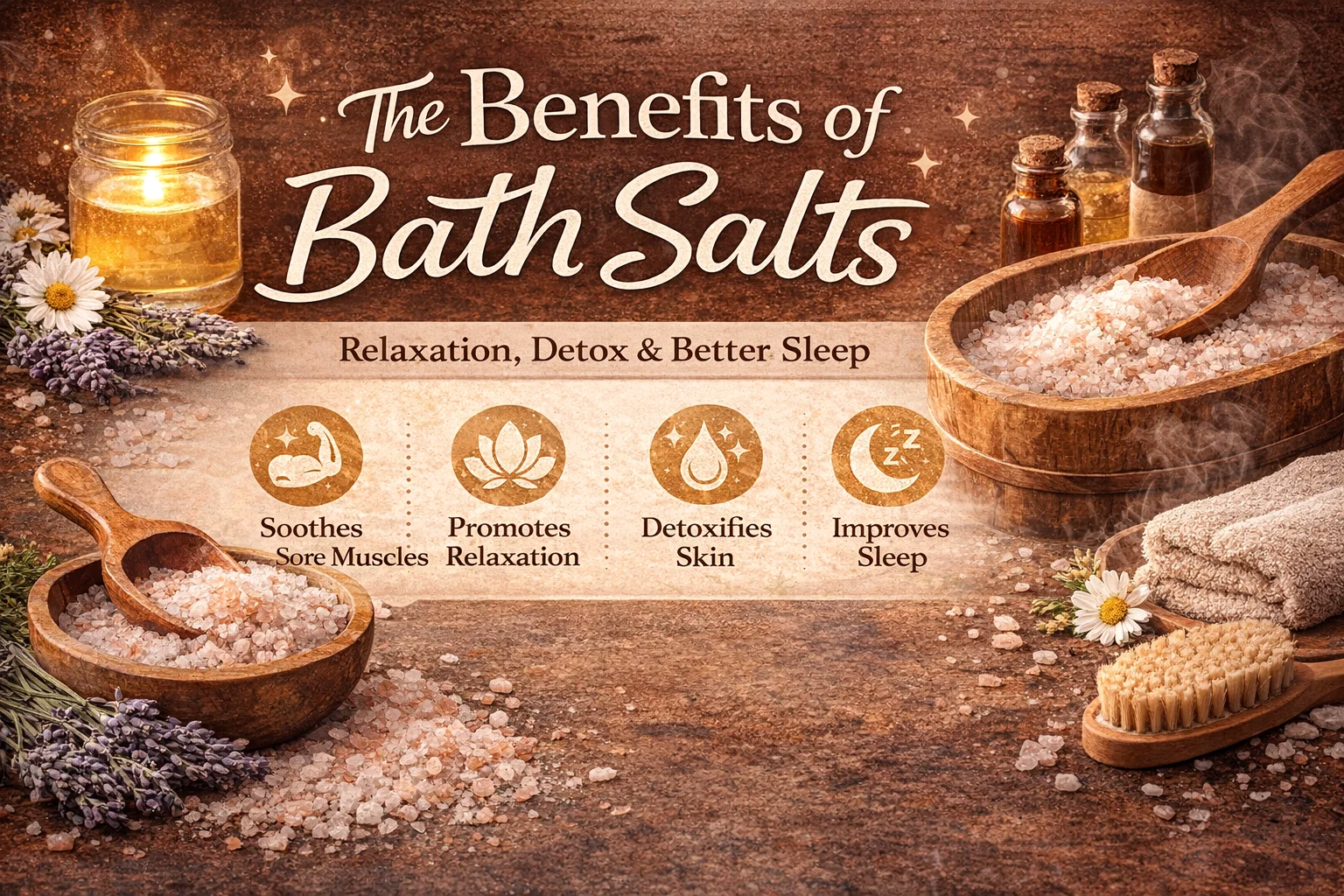
The Benefits of Bath Salts DIY Guide to Relaxation, Muscle Relief Glowing Skin
Stepping into a warm bath at the end of a long, taxing day is one of life’s simplest yet most profound pleasures. There is a reason why humans have been drawn to mineral springs and thermal baths for thousands of years. From the ancient Romans to modern day spa enthusiasts, the practice of soaking in salt-enriched water has remained a cornerstone of holistic wellness. Today, you do not need a plane ticket to a luxury retreat to experience these benefits. With a few scoops of high quality bath salts, you can turn your standard porcelain tub into a sanctuary of healing and restoration.
Bath salts are much more than just pretty crystals that smell nice. They are concentrated powerhouses of minerals like magnesium, potassium, and calcium. When these minerals dissolve in warm water, they create an osmotic exchange that helps your body shed toxins while absorbing much-needed nutrients through the skin. Whether you are an athlete dealing with muscle soreness, a busy professional battling mental fatigue, or someone simply looking to improve their skin health, bath salts offer a versatile and affordable solution. Let us dive deep into the science and the soul behind this timeless ritual.
The Science of Soaking: How Bath Salts Work
To truly appreciate the magic of bath salts, it helps to understand what happens to your body when you submerge yourself in a mineral-rich soak. The primary mechanism at play is the absorption of minerals through the skin, a process often referred to as dermal absorption. Most commercial bath salts are composed of magnesium sulfate (Epsom salt) or sodium chloride (Sea salt). Magnesium is a vital mineral that many people are actually deficient in, and it plays a key role in over 300 biochemical reactions in the human body.
As the warm water opens your pores, the salt works to draw out impurities and excess oils through a process called reverse osmosis. Simultaneously, your body takes in the minerals present in the water. This dual action makes a salt bath a powerful tool for detoxification and nourishment. Furthermore, the heat of the water increases blood circulation, which helps these minerals travel more effectively to the muscles and joints that need them most.
Relieving Muscle Tension and Physical Soreness
One of the most celebrated benefits of bath salts is their ability to alleviate physical discomfort. If you have ever felt the “day after” ache of an intense gym session or the nagging stiffness of sitting at a desk for eight hours, bath salts are your best friend. The magnesium found in Epsom salts is a natural muscle relaxant. It helps to inhibit the receptors that cause pain and spasms, allowing your muscle fibers to finally let go of tension.
Fading Post-Workout Recovery Time
Athletes have used salt baths for decades to speed up recovery. By reducing inflammation in the tissues, bath salts help to flush out lactic acid buildup, which is often the culprit behind that heavy, burning sensation in your limbs. A 20-minute soak after exercise can significantly reduce the duration of delayed onset muscle soreness, meaning you can get back to your training routine faster and with less pain.
Addressing Joint Discomfort and Inflammation
Beyond the muscles, bath salts are excellent for those dealing with mild joint discomfort. The buoyancy of the water takes the pressure off your skeletal system, while the minerals work to reduce swelling around the joints. This is particularly beneficial for individuals dealing with weather-related stiffness or the general wear and tear that comes with an active lifestyle.
Reducing Stress and Promoting Mental Relaxation
While the physical benefits are impressive, the mental impact of a salt bath is equally profound. We live in a world that is constantly “on,” and our nervous systems often pay the price. Chronic stress keeps our bodies in a state of fight or flight, which can lead to anxiety, mental fatigue, and burnout. A warm salt bath acts as a hard reset for your brain.
The act of bathing itself is a form of sensory deprivation that allows the mind to wander and settle. When you add bath salts, particularly those infused with essential oils like lavender or eucalyptus, you are engaging in aromatherapy that signals the brain to lower cortisol levels. The magnesium absorbed through the skin also aids in the production of serotonin, the “feel-good” hormone that promotes a sense of peace and well-being. It is not just about cleaning your body; it is about washing away the mental clutter of the day.
A Natural Path to Better Sleep
If you struggle with insomnia or restless nights, a bath salt routine might be the missing piece of your evening puzzle. Your body’s internal clock, or circadian rhythm, is heavily influenced by temperature. A warm bath raises your core body temperature slightly. When you step out of the tub and into a cooler bedroom, your temperature drops rapidly, which is a biological signal to your brain that it is time to sleep.
When you combine this temperature shift with the relaxing properties of magnesium, you create the perfect environment for deep, restorative rest. Magnesium helps the body produce melatonin and binds to gamma-aminobutyric acid (GABA) receptors, which are responsible for quieting down nerve activity. By incorporating a salt soak into your “wind-down” hour, you are telling your body that the day is officially over and it is safe to drift off.
Detoxification and Skin Cleansing
We often think of detoxing as something we do through diet, but your skin is your largest organ of elimination. Throughout the day, our skin collects pollutants, bacteria, and dead skin cells that can clog pores and lead to dullness. Bath salts act as a gentle yet effective cleanser.
Drawing Out Impurities
The high mineral content of the salts creates a drawing effect that pulls toxins and heavy metals out of the pores. This deep cleansing action is far more effective than just using soap and water. It helps to clarify the skin, making it look brighter and more vibrant. For those prone to occasional breakouts on the back or chest, the antibacterial properties of sea salts can be incredibly helpful in keeping the skin clear.
Removing Excess Oil and Dirt
If you have oily skin, you know how difficult it can be to feel truly “clean” without stripping your skin of its natural moisture. Bath salts help to balance oil production by removing excess sebum without the use of harsh chemicals. After a soak, your skin will feel soft and refreshed rather than tight and dry. This makes it an ideal preparation step before applying your favorite body moisturizer or oil.
Understanding the Popular Types of Bath Salts
Not all salts are created equal. Depending on your specific goals, you might choose one type over another. Here are the three most common varieties you will find in high-quality blends.
- Epsom Salt: Technically not a salt but a naturally occurring pure mineral compound of magnesium and sulfate. It is the gold standard for muscle recovery and stress relief.
- Sea Salt: Harvested from evaporated seawater, it contains a broad spectrum of minerals including potassium and iron. It is fantastic for skin health and hydration.
- Himalayan Pink Salt: Known for its iconic color, this salt is mined from ancient seabeds in the Himalayas. It is incredibly pure and contains over 84 trace minerals, making it a premium choice for a full-body detox.
How to Use Bath Salts for Maximum Benefit
To get the most out of your experience, it is important to follow a few simple steps. It is not just about throwing a handful of salt into the water; it is about creating a ritual that works.
Step 1: The Perfect Temperature
Fill your tub with warm water. You want it to be comfortably hot but not scalding. Water that is too hot can actually be stressful for the heart and may dry out your skin. Aim for a temperature that allows you to stay in the water for at least 15 minutes without feeling lightheaded.
Step 2: The Right Amount
For a standard sized bathtub, add 1 to 2 cups of your chosen bath salts. Give the water a quick stir with your hand to ensure the crystals are fully dissolved. If you are using salts with essential oils, wait until the tub is full before adding them so the fragrance doesn’t evaporate too quickly.
Step 3: The Soak
Step in and soak for 15 to 20 minutes. This is the sweet spot that allows your pores to open and the minerals to be absorbed without over-taxing your system. Use this time to practice deep breathing or simply listen to calming music. Once you are finished, rinse lightly with fresh water to remove any excess salt from your skin, and then immediately apply a moisturizer to lock in the hydration.
Creating Your Home Spa Environment
To truly elevate the experience, think about the atmosphere of your bathroom. Lighting is key. Instead of harsh overhead lights, try using a few beeswax candles or a dim salt lamp. You can also incorporate dried botanicals like lavender buds or rose petals into your bath for a touch of luxury. These small details turn a routine task into a sacred moment of self-care. It is a reminder that you deserve time and space to recharge.
Conclusion: A Simple Step Toward Better Wellness
In a world that often demands more of our energy than we have to give, bath salts offer a gentle way to reclaim our vitality. Whether you are seeking physical relief from a grueling workout, a mental escape from a stressful week, or a natural way to achieve glowing skin, the answer can often be found in a simple bowl of mineral crystals. By making the salt bath a regular part of your wellness routine, you are investing in your long-term health and happiness. So, the next time you feel the weight of the world on your shoulders, remember that a restorative sanctuary is only as far away as your bathroom. Grab your favorite salts, run the water, and let the healing begin.