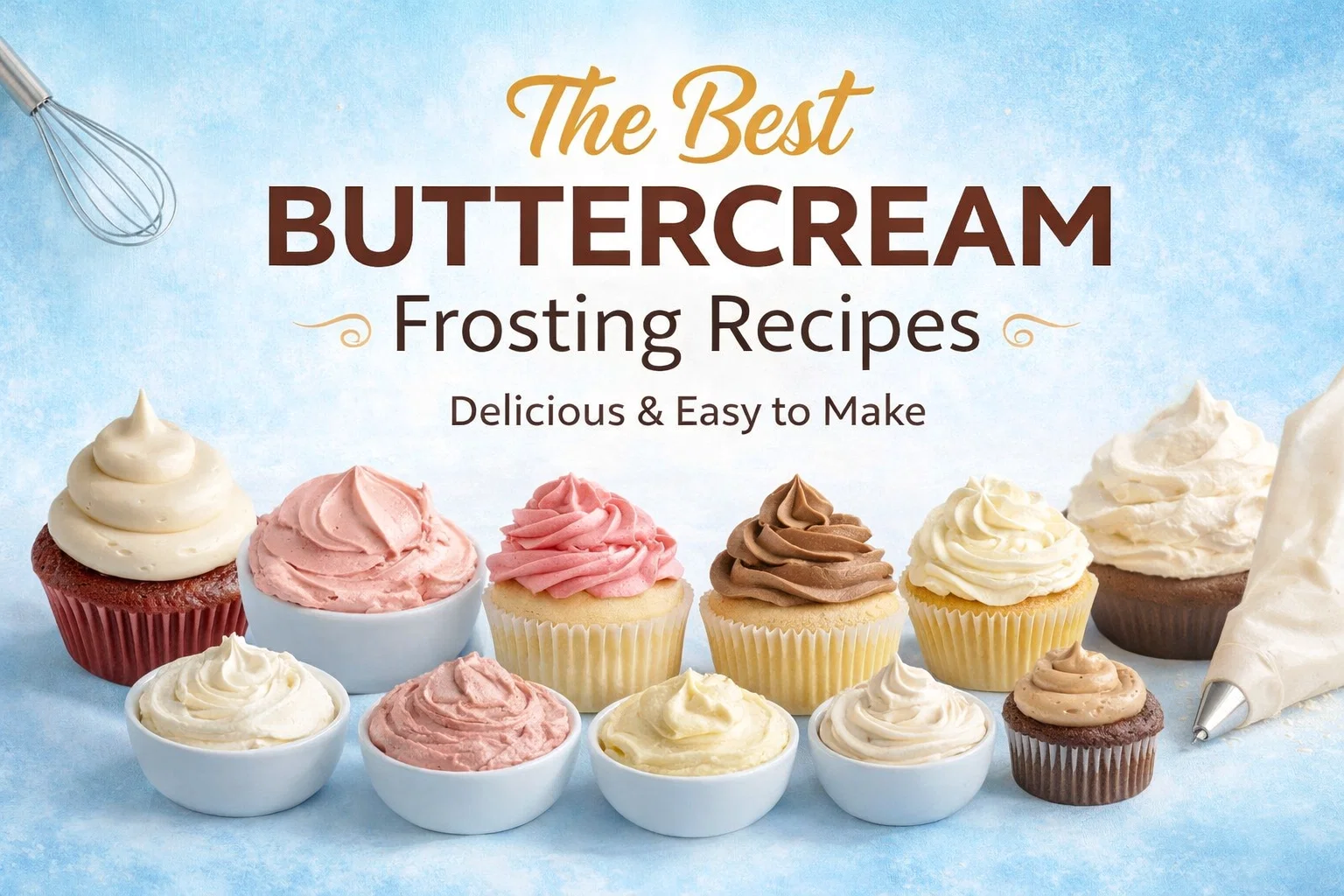
The Best Buttercream Frosting Recipes 6 Easy Flavors
There is absolutely nothing quite like a perfectly swirled, melt in your mouth buttercream frosting to elevate a simple cake into a spectacular bakery quality dessert. Whether you are whipping up a batch of weekend cupcakes for the family or preparing a tiered masterpiece for a special celebration, the frosting you choose plays a starring role. It is the very first thing people taste and the crowning glory of your bake. If you have ever felt intimidated by the thought of making frosting from scratch, you are in the exact right place. We are going to dive deep into a masterclass of flavors, giving you the foundation to create six distinct, incredibly delicious buttercream frostings that will have everyone asking for your secret recipe.
Making your own buttercream at home is surprisingly simple, yet the results are infinitely better than anything you can buy in a plastic tub at the grocery store. Store bought options often taste artificially sweet and lack the rich, creamy texture that only real butter can provide. By mastering a few basic techniques and using high quality ingredients, you can whip up a variety of flavors tailored to perfectly complement whatever you are baking. Get your mixing bowls ready, because we are about to explore the absolute best buttercream recipes you will ever need.
The Golden Rules of Perfect Buttercream
Before we jump into the specific flavor profiles, we need to cover a few essential tips that apply to every single batch of frosting you will ever make. These foundational rules are the difference between a grainy, separated mess and a flawlessly smooth, cloud like topping.
Temperature is Everything
The most critical element in any buttercream recipe is the temperature of your butter. It must be softened to room temperature, but not melting or greasy. If your butter is too cold, it will not whip up properly and you will be left with unpleasant chunks of butter throughout your frosting. If it is too warm, your frosting will turn into a soupy puddle that refuses to hold its shape. You want the butter to yield slightly when you press it with your finger, but it should still hold its form perfectly.
Sift Your Icing Sugar
Skipping this step is a common pitfall for many home bakers. Icing sugar, also known as powdered sugar or confectioners sugar, is prone to clumping during storage. If you dump it straight from the bag into your mixing bowl, those tiny hard lumps will stubbornly remain in your finished frosting. Taking a few extra minutes to pass your icing sugar through a fine mesh sieve guarantees a silky smooth texture that pipes beautifully and melts on the tongue.
Whip It Good
Patience is a virtue when making buttercream. Once you add your sugar to the butter, you need to let your mixer run for a good amount of time. Whipping the frosting incorporates air, which increases the volume, lightens the color, and creates that signature fluffy texture. Do not rush this process. Let your stand mixer or hand mixer do the hard work for at least three to five minutes until the mixture looks light, airy, and incredibly creamy.
Six Masterpiece Buttercream Flavors
Now that we have the basics covered, let us explore six incredible flavor variations. These recipes are designed to be straightforward, foolproof, and absolutely packed with flavor.
Classic Cream Cheese Buttercream
Cream cheese frosting is a beloved classic for a very good reason. It offers a glorious tangy flavor that cuts through the intense sweetness of the powdered sugar, creating a perfectly balanced topping. This is the undisputed champion for pairing with rich, dense cakes like red velvet, carrot cake, or a spiced hummingbird cake. The slight acidity of the cream cheese brings out the complex flavors in these baked goods beautifully.
To make this tangy favorite, you will need to gather the following ingredients:
- 1/2 cup butter: Must be softened to room temperature.
- 8 oz cream cheese: Use full fat, brick style cream cheese, also softened to room temperature.
- 1 tsp vanilla extract: Pure vanilla extract yields the best flavor.
- 1/4 tsp salt: A crucial ingredient to balance the sweetness.
- 3 to 4 cups icing sugar: Sifted to ensure a smooth texture.
The key to perfect cream cheese buttercream is ensuring both the butter and the cream cheese are at the exact same room temperature. If one is colder than the other, your frosting may become lumpy. Beat them together until completely smooth and cohesive before gradually adding in your sifted sugar, vanilla, and salt.
Fresh Strawberry Buttercream
When spring and summer roll around, there is nothing more delightful than a frosting bursting with the flavor of fresh berries. Strawberry buttercream is naturally beautiful, boasting a gorgeous pink hue without a single drop of artificial food coloring. It is sweet, fruity, and slightly tart. This frosting is an absolute dream when paired with a light vanilla sponge cake, a zesty lemon cupcake, or even a rich chocolate cake for a classic chocolate covered strawberry vibe.
Here is what you need for this berry infused delight:
- 4 oz strawberries: Fresh or thawed frozen strawberries work well.
- 1 tsp vanilla extract: To enhance the sweetness.
- 1 cup butter: Softened to room temperature.
- 1/8 tsp salt: Just a pinch to bring out the berry flavor.
- 4 cups icing sugar: Sifted.
To get the most concentrated flavor, you will want to puree your strawberries first. For an even more intense flavor and a thicker frosting, you can reduce the strawberry puree on the stove over low heat until it thickens into a jam like consistency, then let it cool completely before adding it to your butter and sugar mixture. This prevents the extra liquid in the berries from making your frosting too runny.
Decadent Chocolate Buttercream
For the true chocoholics, a pale, weak chocolate frosting simply will not do. You want something rich, dark, and deeply satisfying. A proper chocolate buttercream should taste like a high quality chocolate truffle. It is incredibly versatile and pairs wonderfully with vanilla cake, yellow cake, peanut butter cupcakes, and of course, more chocolate cake for the ultimate indulgence.
Gather these ingredients for chocolate perfection:
- 1 cup unsalted butter: Softened to room temperature.
- 1 tsp vanilla extract: Vanilla actually enhances the flavor of chocolate.
- 3.5 cups icing sugar: Sifted carefully.
- 1/4 tsp salt: Essential for depth of flavor.
- 1/2 cup cocoa powder: Use a high quality, unsweetened cocoa powder. Dutch processed cocoa provides a darker color and a smoother, less acidic taste.
- 1/4 cup whole milk: To bring the frosting to a spreadable consistency.
When making this variation, it is highly recommended to sift your cocoa powder right along with your icing sugar. Cocoa powder is notorious for clumping, and sifting them together guarantees a flawless, velvety finish.
Zesty Lemon Buttercream
If you prefer a dessert that is bright, refreshing, and not overly heavy, lemon buttercream is your perfect match. The tartness of the lemon juice combined with the aromatic oils from the zest creates a vibrant flavor profile that wakes up your taste buds. This frosting is spectacular on blueberry cupcakes, coconut cake, or a delicate almond sponge.
To capture that sunshine flavor, you will need:
- 1 cup unsalted butter: Softened.
- 2 tbsp lemon juice: Freshly squeezed is absolutely mandatory. Bottled lemon juice will leave a metallic, artificial aftertaste.
- 3.5 cups icing sugar: Sifted.
- 2 to 3 tbsp milk or cream: Adjust this based on your desired consistency.
- 1 tbsp lemon zest: This is where the true, aromatic lemon flavor lives.
When zesting your lemons, be very careful to only grate the bright yellow outer layer of the skin. The white pith underneath is quite bitter and can easily ruin the delicate balance of your frosting. Rubbing the lemon zest into your sugar before mixing can help release even more of those incredible citrus oils.
Tropical Coconut Buttercream
Transport yourself to a tropical island with a batch of lush, fragrant coconut buttercream. It is sweet, aromatic, and adds a wonderful exotic twist to your baking repertoire. Pair this with a lime cake, a rum infused sponge, or use it to frost a classic vanilla cake layered with fresh pineapple filling.
Your ingredients for a tropical escape include:
- 1 cup butter: Softened to room temperature.
- 1 tsp coconut extract: This provides a concentrated burst of flavor.
- 4 cups icing sugar: Sifted for smoothness.
- 1/2 tsp vanilla extract: To round out the flavor profile.
- 2 to 3 tbsp heavy cream: Using heavy cream instead of milk makes this variation extra luxurious and rich.
If you want to take this frosting to the next level, consider folding in half a cup of toasted, finely shredded coconut right at the end. It adds a beautiful texture and an authentic, nutty crunch that pairs perfectly with the smooth, creamy frosting base.
Rich Peanut Butter Buttercream
Salty, sweet, and undeniably comforting, peanut butter buttercream is a crowd pleaser of the highest order. It has a nostalgic quality that appeals to both children and adults. The natural saltiness of the peanut butter creates an incredibly addictive sweet and savory dynamic. Swirl this generously on top of rich chocolate cupcakes, banana cake, or even a simple vanilla traybake.
To whip up this savory sweet treat, you will need:
- 1 cup butter: Softened to room temperature.
- 1 tsp vanilla extract: A classic pairing with peanut butter.
- 1 cup peanut butter: Use a standard commercial creamy peanut butter. Natural peanut butters that require stirring often separate and can cause your frosting to break and become greasy.
- 3 cups icing sugar: Sifted.
- 2 tbsp milk: To thin out the thick peanut butter mixture to a pipeable consistency.
Because peanut butter is already so dense and rich, this frosting requires a good amount of whipping. Beat the butter and peanut butter together first until they are completely unified and fluffy before you begin adding your powdered sugar.
Troubleshooting Your Buttercream
Even the most experienced bakers run into minor frosting issues from time to time. The great news is that buttercream is incredibly forgiving and almost always fixable.
If your frosting is too runny and refuses to hold a peak, it is likely that your kitchen is too warm or your butter was too soft to begin with. The simplest fix is to pop the entire mixing bowl into the refrigerator for ten to fifteen minutes. Once the butter chills slightly, take it out and whip it again. It should firm right up. You can also add a little more sifted icing sugar, a quarter cup at a time, to stiffen the mixture.
On the flip side, if your frosting is too stiff, pulling away from the cake, or difficult to pipe, it needs more liquid. Add your milk or heavy cream just one teaspoon at a time while the mixer is running until you reach that perfect, silky, spreadable consistency.
If your final product looks grainy, it usually means your butter was too cold when you started, or you did not mix the ingredients long enough. Let the bowl sit at room temperature for a little while, and then turn your mixer up to medium high speed and let it whip for a few more minutes to smooth things out.
Conclusion
Mastering the art of homemade buttercream opens up a whole new world of baking possibilities. By starting with these six fundamental, incredibly delicious recipes, you have a flavor profile ready to match absolutely any cake, cupcake, or cookie you decide to bake. Remember the golden rules regarding room temperature ingredients and sifting your sugar, and do not be afraid to let your mixer run until the frosting is light and airy. Whether you find yourself craving the zesty kick of lemon, the rich decadence of dark chocolate, or the comforting embrace of peanut butter, these recipes will guarantee a bakery quality finish right in your own kitchen. Grab your apron, preheat your oven, and get ready to create some truly unforgettable desserts. Happy baking!