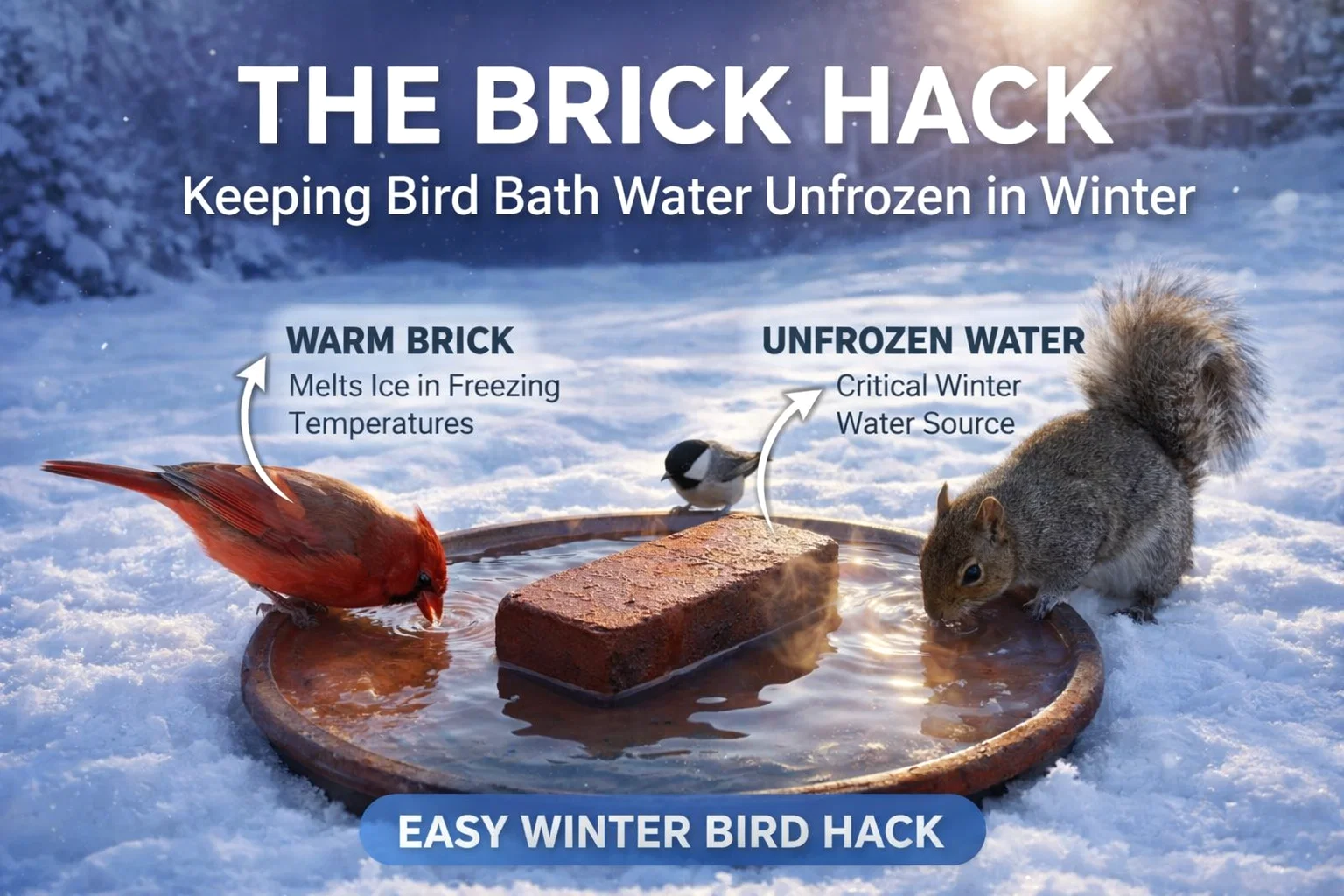
The Brick Hack How to Keep Bird Bath Water From Freezing in Winter Without Electricity
When the temperature drops and the landscape turns into a sparkling but frozen tundra, most of us retreat to the warmth of our homes with a hot cup of cocoa. However, for the birds and small mammals that call our backyards home, winter is a relentless battle for survival. While we often remember to fill our feeders with high energy seeds and suet, there is one critical resource that is frequently overlooked: liquid water. Finding a drink in a world made of ice is an exhausting task that can cost a small animal its life. That is where a simple, low tech solution known as the Brick Hack comes into play, providing a literal lifeline for our feathered and furry friends without requiring a single watt of electricity.
The Hidden Cost of Winter Dehydration
It is a common misconception that animals can simply eat snow to stay hydrated. While they technically can, the physiological cost is staggering. For a tiny bird like a Chickadee, which can lose up to 10 percent of its body weight daily just through the moisture lost in its breath, eating snow is a desperate last resort. Snow is mostly air and very cold. To turn that snow into usable liquid within their bodies, these animals must burn precious caloric energy to heat it up. In the dead of winter, calories are the currency of survival. If a bird burns too many calories just to stay hydrated, it may not have enough energy to maintain its body temperature through a frigid night.
By providing a source of liquid water, you are essentially giving these animals a caloric gift. When they can drink water at zero energy cost, they can dedicate their fat reserves to staying warm. It is the difference between struggling to survive and actually thriving during the coldest months of the year.
Understanding the Brick Hack: Physics in the Backyard
You might be wondering how a simple masonry brick can keep a dish of water from freezing when the air temperature is well below 32 degrees Fahrenheit. The secret lies in thermal mass and solar absorption. Most bricks, especially those with a deep red or dark brown hue, are incredible at absorbing radiant heat from the sun. Even on a cold day, if the sun is shining, a dark object will become significantly warmer than the surrounding air.
When you place a dark brick in the center of a shallow water dish, it acts like a natural battery. During the daylight hours, it soaks up solar energy and can reach temperatures of 50 degrees or higher. Because the brick is partially submerged, it slowly releases that stored heat into the water immediately surrounding it. This creates a pocket of liquid water that persists long after the edges of the dish have begun to crust over with ice. It is a beautiful example of using simple physics to solve a complex biological problem.
Choosing the Right Setup for Maximum Success
To make this hack work effectively, the equipment you choose matters just as much as the brick itself. You do not need an expensive, ornate bird bath. In fact, simpler is often better during the winter months.
The Ideal Water Vessel
A shallow dish is the gold standard for a winter watering station. Look for something that is roughly 1 to 2 inches deep. This depth is safe for a wide variety of species. Smaller birds like Chickadees and Finches can comfortably stand on the edge or even on the brick itself to drink without the risk of falling into deep, dangerously cold water. A shallow pan made of heavy plastic, resin, or galvanized metal works best, as these materials can withstand the expansion of ice without cracking, unlike ceramic or delicate stone baths.
The Brick Selection
Not all bricks are created equal for this task. You want a standard clay brick that is as dark as possible. The darker the color, the more sunlight it will absorb. Avoid painted bricks or those with heavy chemical glazes, as you want the surface to be safe for animals to touch and drink from. If you have a brick with holes in it, that is even better, as the holes increase the surface area and can trap even more heat, though a solid brick works perfectly well too.
A Sanctuary for Local Wildlife
Once you set up your watering station, you will likely notice a dramatic increase in the variety of visitors to your yard. Water is a universal magnet. While some birds might skip your feeder if they prefer a different type of seed, every single living creature needs water.
- The Northern Cardinal: These iconic red birds are year round residents in many areas. Because they do not migrate, they rely entirely on what is available in their immediate territory. A reliable water source ensures they stay healthy and vibrant throughout the season.
- Chickadees and Nuthatches: These high metabolism birds are constant visitors. Watching a Chickadee land on the warm brick to take a quick sip is one of the most rewarding sights for a winter gardener.
- Squirrels and Small Mammals: Squirrels are incredibly active in winter as they forage for cached nuts. They cannot break through thick ice with their paws or teeth easily. Your brick hack might be the only open water source for acres, making your backyard a vital hub for the local ecosystem.
Maintenance and Placement Tips
To keep your winter oasis functioning at its peak, placement is key. You want to put your dish in the sunniest spot available in your yard. South facing areas that receive unobstructed sunlight for the majority of the day will yield the best results. The more sun the brick hits, the longer the water stays liquid into the evening.
Even with the brick hack, you will still need to perform some minor maintenance. On exceptionally cold nights or during heavy overcast periods, the water will eventually freeze. Each morning, head out with a jug of lukewarm water. Use the water to melt any surface ice and top off the dish. Avoid using boiling water, as the extreme temperature differential could potentially crack your dish or even the brick. A quick daily check ensures that the water remains clean and accessible.
Keep it Clean
Just because it is cold does not mean bacteria cannot grow. Birds often poop in or near their water sources. Every few days, give the dish and the brick a quick scrub with a stiff brush to remove any buildup. Clean water is just as important as liquid water when it comes to avian health.
Why This Beats Electric Heaters
There are many electric bird bath de-icers on the market, and while they are effective, the brick hack offers several distinct advantages. First and foremost is the cost. A brick is often free or costs less than a dollar, while electric heaters can be expensive to purchase and add to your monthly utility bill. Additionally, the brick hack is safer. There are no cords for squirrels to chew on and no risk of electrical shorts in wet, snowy conditions.
There is also a deep sense of satisfaction that comes from using a natural solution. By working with the rhythms of the sun and the properties of materials, you are participating in a more sustainable form of wildlife support. It is a quiet, peaceful way to give back to nature using nothing more than a bit of clay and the power of the sun.
Creating a Winter Habitat
If you want to take your backyard conservation efforts a step further, consider the area around your watering station. Providing nearby cover is essential. Birds are vulnerable when they are drinking, and having a brush pile or evergreen shrub within a few feet of the water dish gives them a place to quickly hide from predators like hawks or outdoor cats.
You can also create a tiered station. Perhaps you have your shallow dish with the brick on the ground for the squirrels and ground feeding birds, and another elevated station for the more timid songbirds. The more options you provide, the more diverse your backyard visitors will become. You will find that your backyard becomes a focal point of activity, providing endless entertainment and a front row seat to the beauty of nature’s resilience.
The Impact of Small Actions
It is easy to feel like our individual actions do not matter in the grand scheme of environmental conservation. However, for the individual animals in your neighborhood, your decision to put out a brick and a dish of water is monumental. You are directly responsible for saving lives and ensuring that the local population of birds and mammals makes it through to the spring.
When the first warm breeze of April arrives and you hear the songs of the birds returning to build their nests, you can take pride in knowing you helped them get there. The brick hack is more than just a clever trick; it is an act of compassion and a commitment to the wild neighbors we share our world with. It proves that you do not need a lot of money or high tech gadgets to make a meaningful difference. Sometimes, all you need is a brick and the willingness to help.
Wrapping Up Your Winter Water Strategy
As the winter season continues, remember that consistency is the most important factor. Once the animals discover your water source, they will rely on it. Keep that brick in the sun, keep the water fresh, and enjoy the incredible display of wildlife that will surely follow. The brick hack is a simple, effective, and deeply rewarding way to connect with nature during the coldest months of the year. So, go find an old brick, grab a shallow dish, and start saving the thirsty ones today. Your backyard visitors will thank you, and you will find your winter days a little brighter as you watch the life and activity flourish just outside your window.
Would you like me to generate a series of Pinterest descriptions or a social media promotional plan to help drive traffic to this new blog post?