The Human Lymphatic System Guide Anatomy, Nodes Organs for Holistic Health Detoxification
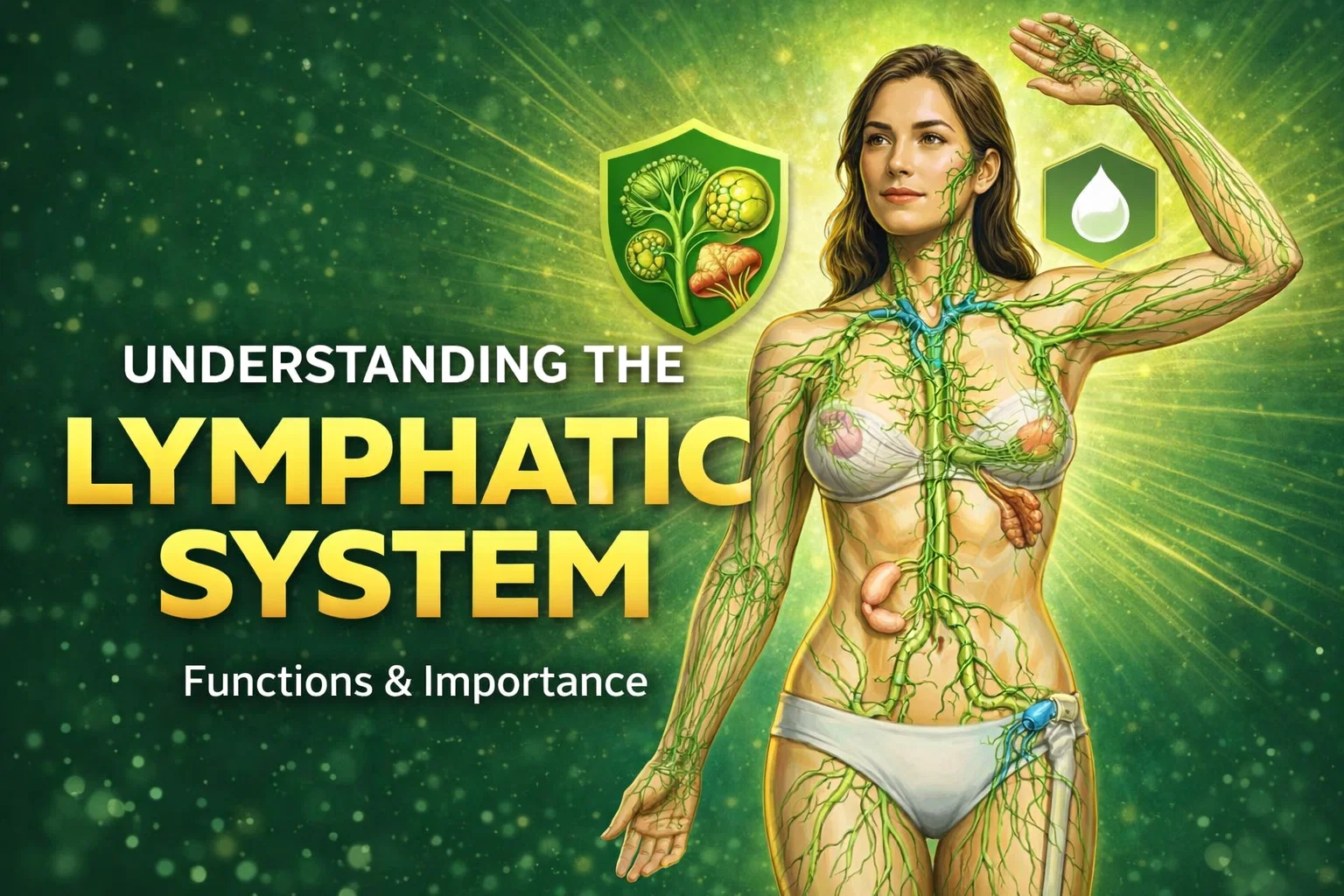
Understanding the inner workings of the human body is a journey into an incredible biological masterpiece. While we often focus on the heart pumping blood or the lungs drawing breath, there is a silent, hardworking network operating in the background that is just as vital to our survival. The lymphatic system is a sophisticated drainage and defense network that spans from the crown of your head to the tips of your toes. It serves as the body’s primary filtration system, responsible for maintaining fluid balance, absorbing fats from the digestive tract, and acting as the frontline of the immune system. When this system is flowing smoothly, we feel energized and resilient. However, when it becomes sluggish, the body can struggle with waste removal and immune response. Let’s dive deep into the anatomy and function of this remarkable system to understand how it protects your health every single day.
The Essential Components of the Lymphatic System
The lymphatic system is far more than just a collection of vessels. It is composed of a diverse array of organs, tissues, and specialized nodes that work in harmony. Unlike the circulatory system, which has the heart to act as a central pump, the lymphatic system relies on the movement of our muscles and the rhythm of our breathing to transport lymph fluid throughout the body. This clear, watery fluid contains white blood cells, particularly lymphocytes, which are the specialized cells that attack bacteria and viruses.
The Network of Lymphatic Vessels and Ducts
Think of lymphatic vessels as a vast highway system. These thin-walled tubes are found in almost every tissue of the body. They begin as tiny capillaries that soak up excess fluid from the spaces between cells. Once this fluid enters the vessels, it is called lymph. These vessels eventually merge into two large channels: the right lymphatic duct and the thoracic duct. The thoracic duct is the larger of the two and collects most of the lymph from the body, eventually emptying it back into the bloodstream through the veins in the upper chest. This recycling of fluid is critical for preventing swelling, also known as edema, and maintaining consistent blood pressure.
The Role of Lymph Nodes
Lymph nodes are the checkpoints of the body. These small, bean-shaped structures are clustered in strategic areas such as the neck (clavicular nodes), armpits (axillary nodes), and groin (iliac and inguinal nodes). Each node is packed with immune cells that filter the lymph as it passes through. If the nodes detect a foreign invader like a virus or a stray cancer cell, they trigger an immune response, often swelling in size as they produce more white blood cells to fight the infection. This is why a doctor often feels the nodes in your neck when you are feeling under the weather.
Major Lymphoid Organs and Their Functions
Beyond the nodes and vessels, several key organs play specialized roles in keeping our internal environment clean and safe. These organs are the manufacturing centers and training grounds for the body’s elite defense forces.
The Spleen: The Body’s Blood Filter
Located on the left side of the abdomen just below the ribcage, the spleen is the largest organ in the lymphatic system. It acts as a high-tech filtration plant for the blood. The spleen identifies and removes old, damaged, or malformed red blood cells. It also serves as a storage site for platelets and white blood cells. If the body detects a systemic infection, the spleen becomes a central hub for producing the antibodies needed to neutralize the threat.
The Thymus Gland: The Immune Training Center
The thymus is a small gland located in the upper chest, directly behind the breastbone. Its primary job is most active during childhood and adolescence. This is where T-lymphocytes, or T-cells, go to mature. You can think of the thymus as a specialized school where these cells learn how to distinguish between the body’s own healthy cells and dangerous foreign invaders. Once these cells are fully trained, they are released into the lymphatic system to patrol for pathogens.
Tonsils and Adenoids: The First Line of Defense
The tonsils are clusters of lymphatic tissue located at the back of the throat. Because they are positioned at the entrance of the digestive and respiratory tracts, they are the first to encounter bacteria and viruses that we breathe in or swallow. They sample these pathogens and help the body develop immunity early on. While they can sometimes become overwhelmed and inflamed, their presence is a crucial part of the body’s early warning system.
How the Lymphatic System Supports Detoxification
In the world of wellness, the word detox is used frequently, but the lymphatic system is the literal manifestation of that process. One of its most important jobs is to remove cellular waste, proteins, and excess fluid that are too large to be reabsorbed by the veins. This includes the debris left over after an immune battle and the metabolic byproducts produced by our cells every minute.
Filtering Toxins and Waste
As lymph fluid moves through the nodes, it undergoes a rigorous cleaning process. The macrophages within the nodes essentially eat the waste products, neutralizing potential threats before the fluid returns to the heart. This prevents the buildup of “sludge” in the tissues, which can lead to inflammation and fatigue. A healthy lymphatic flow ensures that every cell in the body is living in a clean, nutrient-rich environment rather than sitting in its own waste.
Fat Absorption and Transport
Interestingly, the lymphatic system also plays a major role in nutrition. In the small intestine, there are specialized lymphatic vessels called lacteals. These vessels are responsible for absorbing fats and fat-soluble vitamins from the food we eat. This fatty lymph, known as chyle, is transported through the cisterna chyli and up the thoracic duct to be delivered into the bloodstream. This process is essential for providing the body with the energy and building blocks it needs for hormone production and cellular repair.
Signs of a Sluggish Lymphatic System
Because the lymphatic system does not have a pump, it is susceptible to becoming stagnant. Sedentary lifestyles, poor diet, and chronic stress can all contribute to a decrease in lymphatic efficiency. When the system slows down, the body begins to send out distress signals that many people mistake for general aging or unrelated health issues.
- Persistent Swelling: Also known as lymphedema, this often appears as puffiness in the fingers, ankles, or face, especially upon waking.
- Frequent Colds: If the filtration system is backed up, the immune system cannot respond as quickly to new threats, leading to a cycle of recurring infections.
- Brain Fog and Fatigue: A buildup of metabolic waste in the tissues can lead to a general feeling of lethargy and difficulty concentrating.
- Skin Issues: Acne, rashes, and dull skin can sometimes be a sign that the body is struggling to remove toxins through the primary lymphatic channels and is instead trying to push them out through the skin.
Practical Ways to Support Your Lymphatic Health
The good news is that because the lymphatic system relies on external factors to move, you have a significant amount of control over how well it functions. Incorporating a few simple habits into your daily routine can dramatically improve your lymph flow and overall well-being.
Stay Hydrated
Lymph is mostly made of water. If you are dehydrated, the lymph fluid becomes thicker and more difficult to transport. Drinking adequate amounts of filtered water throughout the day ensures that the fluid stays thin and moves easily through the tiny capillaries and vessels.
Prioritize Movement
The contraction of your muscles is the primary pump for your lymph. Activities like walking, swimming, and yoga are excellent for stimulating flow. One of the most effective tools for lymphatic health is rebounding, or jumping on a small trampoline. The change in gravitational pull during the bounce helps open and close the one-way valves in the lymphatic vessels, encouraging the fluid to move upward toward the heart.
Dry Brushing and Massage
Dry brushing is an ancient technique that involves using a natural bristle brush to gently stroke the skin in the direction of the heart. This stimulates the lymphatic capillaries located just under the skin. Similarly, manual lymphatic drainage massage is a specialized technique that uses light pressure to move fluid out of swollen areas and back into the main ducts. These practices are not just relaxing; they are functional tools for internal cleansing.
Deep Breathing
The act of deep, diaphragmatic breathing creates a pressure change in the chest and abdomen. This pressure helps pull lymph through the thoracic duct and the cisterna chyli. Taking a few minutes each day to practice slow, deep breaths into the belly can act as a powerful internal massage for your lymphatic system.
The Connection Between the Gut and Lymphatics
A significant portion of the lymphatic system is actually located in the lining of the gastrointestinal tract. These are called lymphoid nodules of the intestine, often referred to as Peyer’s patches. This connection highlights how closely our digestive health and immune health are linked. When the gut is inflamed due to a poor diet or food sensitivities, the lymphatic system in that area can become overworked. Supporting gut health with fiber-rich foods, fermented vegetables, and a variety of plant-based nutrients helps reduce the burden on these lymphatic tissues, allowing the entire system to function more effectively.
Empowering Your Body’s Natural Defense
The human lymphatic system is an incredible example of biological efficiency and protection. By acting as both a waste management team and a security force, it ensures that our bodies remain balanced and healthy. Understanding where your lymph nodes are located and how organs like the spleen and thymus contribute to your vitality is the first step in taking an active role in your wellness. We often take for granted the silent work happening beneath the surface, but by supporting our lymph through movement, hydration, and mindful living, we can enhance our natural resilience and energy. Treat your lymphatic system with care, and it will reward you with a stronger immune system and a clearer, more vibrant life. Save these tips and start incorporating one small change today for a healthier tomorrow.