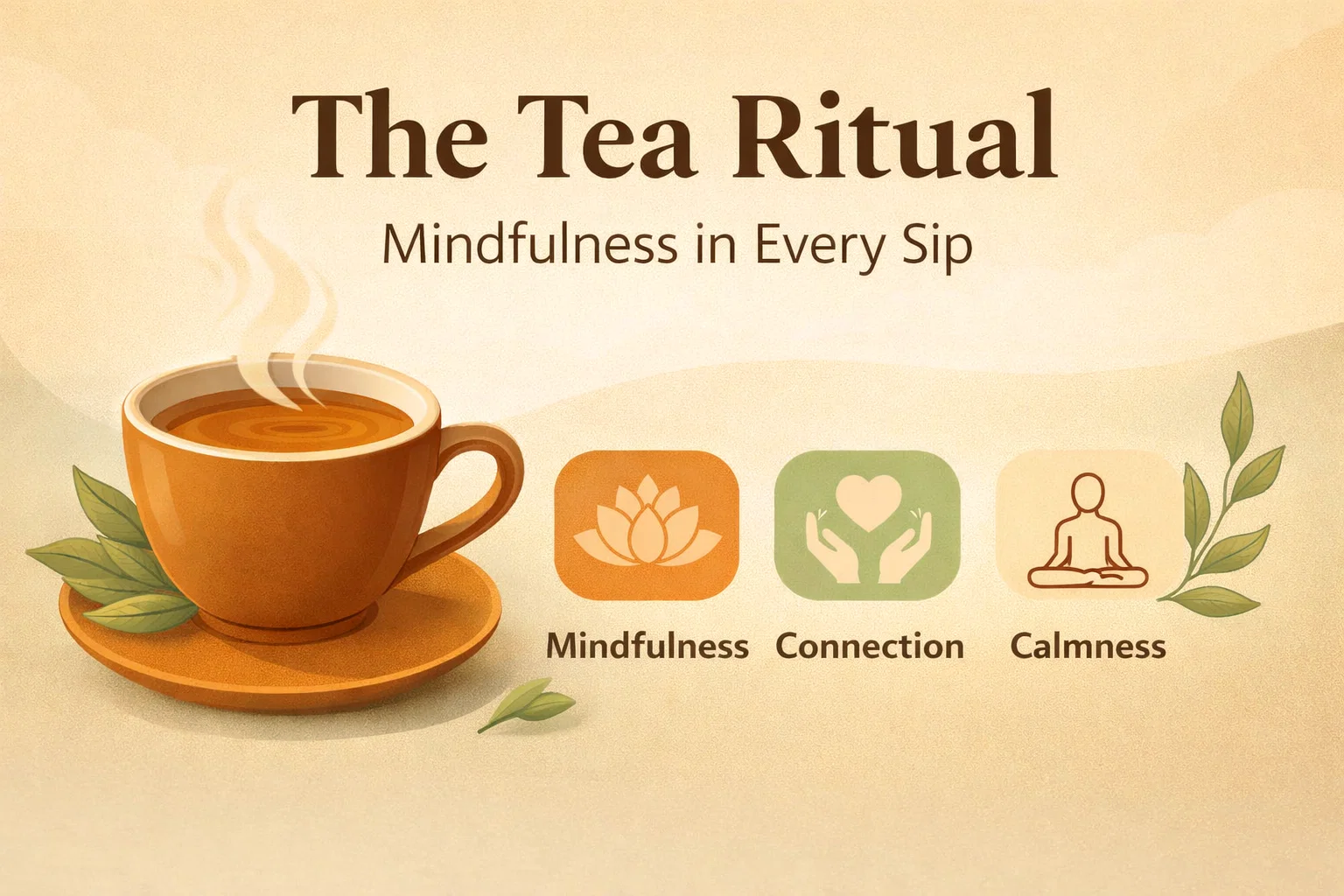
The Tea Ritual Mindfulness, Meditation, and Cultural Tea Traditions
In our fast-paced modern world, finding a genuine moment of stillness can feel like an impossible task. We often drink coffee on the go, scarf down lunch while answering emails, and rarely stop to appreciate the sensory experience of our daily routines. However, there is an ancient, beautiful antidote to this chaos that is as simple as it is profound: the tea ritual. By shifting our perspective from merely consuming a beverage to performing a mindful, intentional act, we can transform a mundane habit into a sanctuary of calm.
The practice of a tea ritual is not about adhering to strict, intimidating rules. Instead, it is about creating a space where you can pause, breathe, and reconnect with yourself. Whether you have five minutes or an hour, incorporating a tea ritual into your lifestyle can lower your stress levels and ground you in the present moment. Let’s explore how you can cultivate this practice, drawing inspiration from centuries-old traditions across the globe.
What Exactly is a Tea Ritual?
At its core, a tea ritual is the intentional act of preparing and consuming tea. It moves beyond the chemical need for caffeine and enters the realm of mindfulness. When you slow down to observe the water boiling, the leaves unfolding, and the aroma rising from your cup, you are practicing meditation in motion.
This practice symbolizes more than just personal wellness. Historically, it is deeply rooted in hospitality, gratitude, and fostering connection with others. Even when performed alone, a tea ritual serves as a way to honor your own space and time. It is an invitation to stop rushing and to start savoring the simple beauty of existence.
Drawing Wisdom from Global Tea Traditions
The art of tea has been perfected over centuries in various cultures, each offering a unique perspective on what makes a ritual meaningful.
The Warmth of Kashmiri Kahwa
Hailing from the Himalayan region, Kashmiri Kahwa is a fragrant green tea that is as much about comfort as it is about flavor. It typically features a sophisticated blend of saffron, cardamom, cinnamon, and slivered almonds. It is widely considered a symbol of warmth, welcome, and serenity. When you prepare this tea, the process itself is a treat; the intoxicating aroma of the spices creates an immediate atmosphere of cozy relaxation that invites you to leave your worries at the door.
The Precision of Chinese Gongfu Cha
Gongfu Cha, which translates to “tea with skill,” is a Chinese method of brewing that emphasizes elegance, patience, and presence. It isn’t just about the flavor of the tea, but about the ritual of brewing multiple small cups using precise movements. This practice teaches us that balance is essential. By focusing on the flow of the water and the timing of the steep, you naturally quiet the mental chatter that often distracts us during the day.
The Mindfulness of Japanese Chanoyu
Chanoyu, the Japanese tea ceremony, is perhaps the most well-known meditative tea practice. It is built upon four foundational principles: harmony, respect, purity, and tranquility. Every movement in a traditional ceremony is intentional. While you might not replicate the full ceremony at home, you can certainly adopt its spirit. The focus here is on the purity of the environment and the absolute respect for the moment you are experiencing.
The Tangible Benefits of Practicing a Daily Ritual
Why should you bother adding yet another task to your day? The beauty of a tea ritual is that it is not a task to be checked off; it is a gift you give yourself. Here is how it impacts your well-being:
- Heightened Mindfulness: By intentionally noticing the aroma, the warmth radiating from the cup, and the smooth flow of the liquid, you anchor yourself in the present. This sensory grounding is an excellent way to combat anxiety.
- Meaningful Connection: Tea rituals are a powerful way to bond with others. Sharing a pot of tea turns a standard conversation into a moment of care and mutual respect.
- Emotional Calmness: Rituals act as a psychological reset button. They signal to your brain that it is time to transition from high-stress activity to a state of rest and recovery.
How to Start Your Own Ritual Today
You don’t need expensive equipment or specialized training to begin. Start small and focus on consistency.
1. Create a Dedicated Space
It doesn’t have to be an elaborate tea room. A small corner of your kitchen, a favorite chair, or even a specific coaster can signal that this is your time for a ritual. Keep your favorite tea and a cherished mug in this spot so they are ready when you are.
2. Eliminate Distractions
This is perhaps the most important rule. Keep your phone in another room. Do not try to multitask by reading emails or watching television. The goal is to be fully present with your tea. If you find your mind wandering to your to-do list, gently acknowledge the thought and return your focus to the heat of the cup in your hands.
3. Use Your Senses
Take the time to actually look at the color of the tea. Inhale the steam deeply. Feel the weight and texture of the cup. When you finally take a sip, notice the temperature and the flavor profile as it hits your palate. By engaging your senses, you make the experience tangible and memorable.
Embracing the Beauty of Simplicity
Ultimately, a tea ritual is a celebration of simplicity. In a world that often demands we constantly do more, consume more, and achieve more, choosing to stop for a cup of tea is a quiet act of rebellion. It is a declaration that you value your own peace of mind.
Whether you choose the spice-laden warmth of a Kashmiri blend, the disciplined elegance of Gongfu brewing, or simply a basic cup of herbal tea prepared with intention, the benefits remain the same. With every cup, you are honoring the need for stillness and the importance of human connection. As you move forward, let your tea ritual become the anchor that holds you steady through the busiest of days.
Start today. Pick a time, choose your favorite vessel, and give yourself the grace of a mindful pause. You deserve it.
Would you like me to suggest a list of beginner-friendly tea blends or brewing accessories to help you kickstart your ritual?