Thyme for Clear Skin Natural Acne Remedy DIY Herbal Face Mask Mask DIY
Have you ever glanced at the herb rack in your kitchen and wondered if those tiny green leaves could do more than just season a roast? While thyme is a staple in Mediterranean cooking, its history in the world of natural beauty is just as rich. For centuries, herbalists have turned to Thymus vulgaris not only for its aromatic scent but for its potent ability to clear the complexion and restore a healthy glow to the skin. If you are tired of harsh chemicals and long ingredient lists that you cannot pronounce, it is time to look toward the garden for a solution that is as gentle as it is effective.
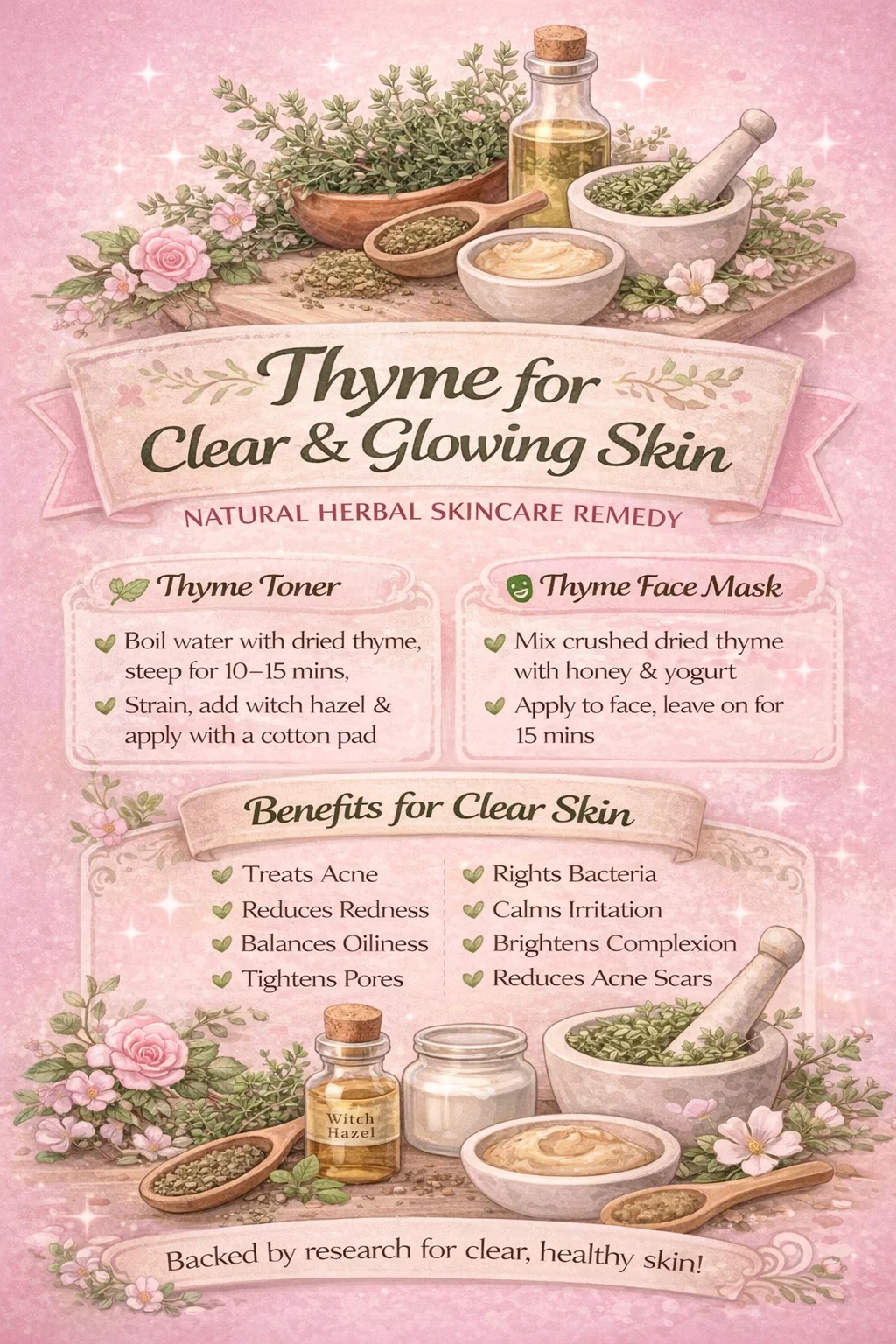
The image we are looking at today beautifully illustrates why thyme is becoming a favorite in the clean beauty movement. It is a powerhouse of antibacterial, anti-inflammatory, and antioxidant properties. Whether you are battling persistent adult acne, dealing with seasonal oiliness, or simply trying to brighten a dull complexion, thyme offers a versatile foundation for a DIY skincare routine. Let us dive deep into the science, the recipes, and the holistic benefits of incorporating this ancient herb into your modern beauty regimen.
The Science of Thyme: Why It Works for Your Skin
To understand why thyme is so effective, we have to look at its chemical makeup. Thyme contains a compound called thymol, which is well known in the scientific community for its strong antiseptic properties. When applied topically in a diluted form, thyme works to neutralize the bacteria that lead to breakouts without stripping the skin of its essential moisture. This makes it a fantastic alternative to benzoyl peroxide, which can often leave the skin peeling and irritated.
Natural Antibacterial Action
Propionibacterium acnes is the bacteria primarily responsible for those painful, red bumps we know as acne. Research suggests that thyme tincture may be even more effective at killing this bacteria than standard anti-acne creams. Because it is a plant based extract, it works in harmony with your skin’s natural biome to keep things balanced and clear.
Anti-Inflammatory and Antioxidant Support
Beyond fighting bacteria, thyme is packed with phenols. These antioxidants help protect your skin from environmental stressors like pollution and UV rays, which contribute to premature aging. The anti-inflammatory nature of the herb also helps to bring down the swelling and redness associated with active breakouts, providing immediate visual relief while it works to heal the skin from within.
How to Make Your Own Thyme Infused Toner
One of the easiest ways to start using thyme is by creating a refreshing facial toner. This liquid treatment is designed to be used after cleansing and before moisturizing to help balance the pH of your skin and tighten the appearance of pores. As the infographic suggests, adding a bit of witch hazel can amplify these effects, especially for those with oily skin types.
Ingredients Needed:
- 1 cup of filtered water
- 2 to 3 teaspoons of dried thyme (or a handful of fresh sprigs)
- 1 tablespoon of alcohol free witch hazel (optional for extra astringency)
- A clean glass bottle for storage
The Step by Step Process
Start by bringing your cup of water to a boil. Once it reaches a rolling boil, remove it from the heat and add your dried thyme. Cover the pot to ensure the essential oils do not steam away. Let the herbs steep for at least 10 to 15 minutes. This allows the water to pull out the beneficial compounds from the plant material.
After the mixture has cooled completely, strain it through a fine mesh sieve or cheesecloth into your glass bottle. If you are using witch hazel, add it now and give the bottle a good shake. Store this toner in the refrigerator to keep it fresh and to provide a cooling sensation when you apply it. Simply swipe it over your face using a reusable cotton pad every morning and night.
Revitalize with a DIY Thyme Face Mask
Sometimes your skin needs a bit more intensive care than a toner can provide. A face mask allows the ingredients to sit on the skin for a longer period, deeply nourishing the tissue and drawing out impurities. By combining thyme with honey and yogurt, you create a mask that is antibacterial, hydrating, and exfoliating all at once.
Ingredients Needed:
- 1 tablespoon of dried thyme (crushed into a fine powder)
- 1 tablespoon of raw, organic honey
- 1 teaspoon of plain yogurt (Greek yogurt works best for consistency)
Why These Ingredients Complement Thyme
Honey is a natural humectant, meaning it draws moisture into the skin, and it also possesses its own antibacterial properties. Yogurt contains lactic acid, a gentle alpha hydroxy acid (AHA) that helps to dissolve dead skin cells and brighten your overall complexion. Together with the thyme powder, this trio creates a spa quality treatment right in your kitchen.
Application and Benefits
Mix the three ingredients in a small bowl until you have a smooth paste. Apply it to a clean face, avoiding the delicate eye area. Let it sit for 15 minutes while you relax. As you rinse it off with lukewarm water, use gentle circular motions to allow the thyme powder to lightly exfoliate your skin. You will likely notice that your skin feels significantly softer and looks more vibrant immediately after use.
Targeting Specific Skin Concerns with Thyme
Thyme is not a one size fits all remedy; it can be adapted to suit various skin challenges. Understanding how it interacts with different skin conditions will help you get the most out of your herbal infusions.
Managing Oily and Acne Prone Skin
For those with overactive sebaceous glands, thyme acts as a natural astringent. It helps to remove excess oil without triggering the skin to produce even more oil in defense. Regular use of the thyme toner can help minimize the look of enlarged pores and keep the skin surface matte for longer periods throughout the day.
Reducing Redness and Irritation
If you struggle with rosacea or general skin sensitivity, the anti-inflammatory properties of thyme can be a lifesaver. It helps to constrict small blood vessels and soothe the “heat” often felt during a flare up. However, always remember to perform a patch test on your inner arm before applying any new herbal remedy to your entire face to ensure you do not have a specific allergy to the plant.
Fading Acne Scars and Dark Spots
While thyme is famous for preventing new acne, it also aids in the repair of the skin. By promoting better circulation and providing antioxidant support, it helps the skin cycle through its healing process more efficiently. This can lead to a faster fading of post inflammatory hyperpigmentation, those stubborn dark marks that stay behind after a pimple has healed.
Incorporating Thyme into a Holistic Lifestyle
Skincare is rarely just about what you put on your face; it is also about how you treat your body. Thyme can be a part of your internal wellness routine as well. Drinking thyme tea is a traditional remedy for supporting the immune system and respiratory health. A healthy internal system often reflects on the outside as clear, glowing skin.
Try swapping your afternoon coffee for a cup of warm thyme tea with a slice of lemon. The boost in antioxidants can help fight oxidative stress from the inside out. Furthermore, the act of taking ten minutes to sip a herbal tea can lower cortisol levels. Since stress is a major trigger for hormonal acne, this small habit can have a significant impact on your skin’s clarity over time.
Sustainable and Ethical Beauty
One of the best things about using herbs like thyme is the reduction in environmental impact. Most commercial skincare products come in plastic packaging and contain microplastics or chemicals that can harm aquatic life when washed down the drain. By growing your own thyme or buying it in bulk, you are participating in a more sustainable beauty cycle.
Thyme is an incredibly hardy herb that is easy to grow in a small pot on a windowsill or in a garden bed. It requires very little water once established and provides a habitat for pollinators like bees. There is something deeply satisfying about harvesting a few sprigs of an herb you grew yourself to create a fresh batch of toner.
Common Questions About Herbal Skincare
Whenever you move away from traditional store bought products, questions are bound to arise. Let us address some of the most common curiosities regarding thyme and natural remedies.
Can I use fresh thyme instead of dried?
Absolutely. If you are using fresh thyme, you will generally want to use about three times the amount of dried herb requested in a recipe. Fresh thyme has a higher water content, so you need more of it to achieve the same concentration of essential oils in your infusion.
How long do DIY thyme products last?
Because these recipes do not contain chemical preservatives, they have a shorter shelf life. A thyme toner kept in the refrigerator will typically stay fresh for about 7 to 10 days. The face mask should be made fresh for each use. If you notice any change in smell or color, it is time to discard the batch and make a new one.
Conclusion: Embrace the Power of the Garden
Transitioning to a natural skincare routine does not have to be complicated or expensive. As we have seen, a simple herb like thyme can offer professional level results when used correctly. By leveraging its antibacterial and anti-inflammatory powers, you can take control of your skin health in a way that is kind to both your body and the planet.
The journey to clear and glowing skin is often a marathon, not a sprint. Consistency is the key to seeing real change. Start by introducing the thyme toner into your routine this week and see how your skin responds to the gentle, herbal nourishment. You might find that the best beauty secrets have been sitting in your spice cabinet all along. It is time to let your natural beauty shine through with the help of this wonderful, vibrant herb.
Are you ready to try these DIY recipes? Whether you start with the refreshing toner or the soothing face mask, your skin will thank you for the extra care. Happy brewing!