Top 20 High Fiber Foods List Best High Fiber Diet for Weight Loss and Gut Health
Fueling your body with the right nutrients is one of the most transformative gifts you can give to your health. When we talk about superfoods, we often think of exotic berries or expensive powders, but some of the most powerful tools for wellness are sitting right in your local produce aisle. High fiber foods are the unsung heroes of a vibrant, high energy lifestyle. Whether you are looking to improve your digestion, manage your weight, or simply feel more satisfied after your meals, focusing on fiber is a proven strategy. The vibrant array of fruits, vegetables, seeds, and grains available to us offers a delicious roadmap to better health, and understanding how to incorporate these into your daily routine is the first step toward a total body glow up.
The Essential Role of Fiber in a Balanced Diet
Fiber is a type of carbohydrate that the body cannot digest. While most carbohydrates are broken down into sugar molecules, fiber passes through the body undigested. It comes in two primary forms: soluble and insoluble. Soluble fiber dissolves in water to form a gel-like material, which can help lower blood cholesterol and glucose levels. Insoluble fiber promotes the movement of material through your digestive system and increases stool bulk, making it a must for anyone looking to maintain regularity.
The benefits of a high fiber diet extend far beyond the bathroom. Research consistently shows that people who consume adequate amounts of fiber have a lower risk of developing heart disease, type 2 diabetes, and certain types of cancer. Because fiber rich foods are typically more filling than low fiber options, they play a crucial role in weight management by helping you stay satisfied for longer periods, which naturally reduces the urge to snack on processed foods throughout the day.
Top High Fiber Fruits to Sweeten Your Wellness Journey
Nature provides plenty of sweetness through fruits that are packed with dietary fiber. Integrating these into your breakfast or enjoying them as a midday snack can significantly contribute to your daily goals.
Raspberries and Blackberries
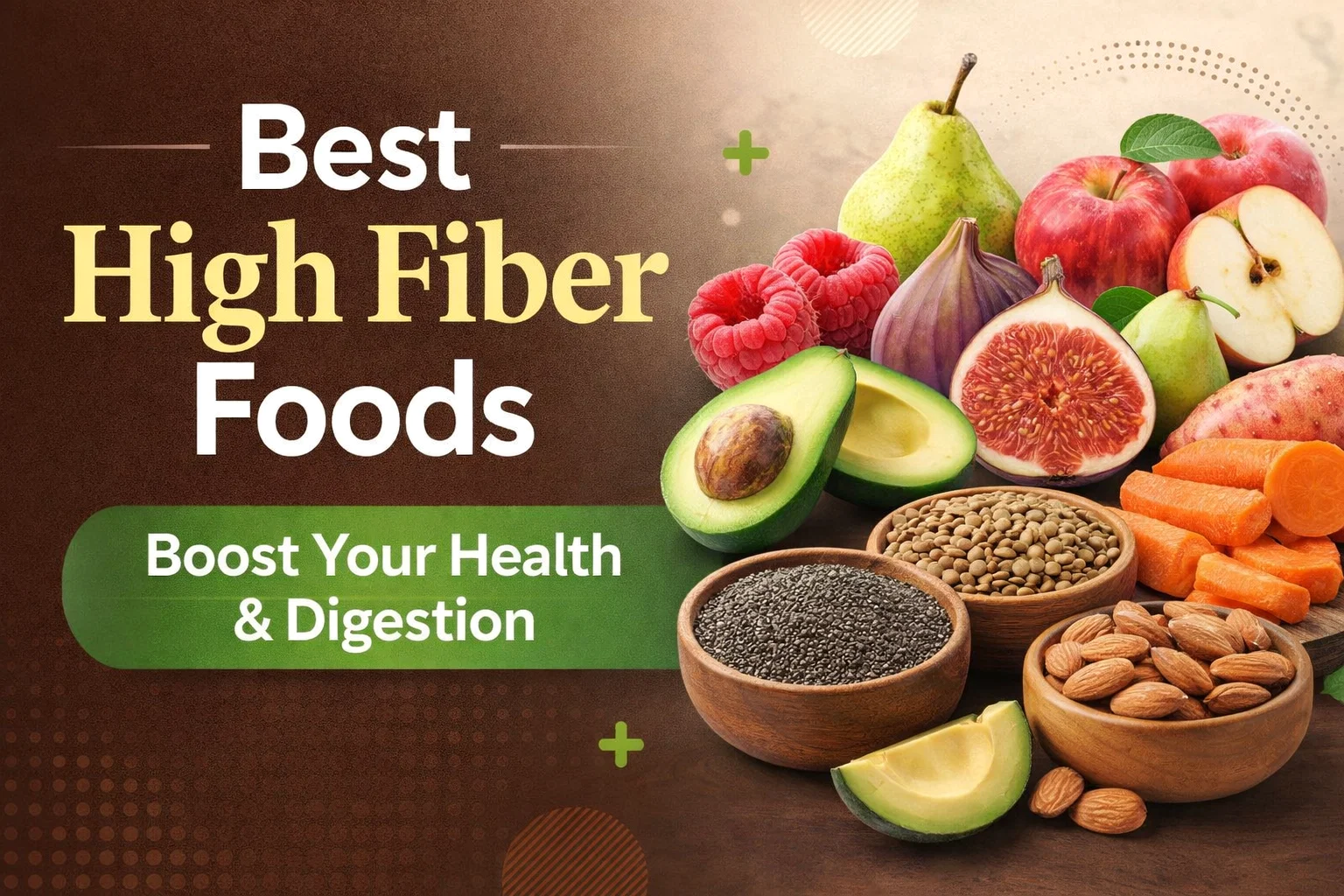
Berries are nutritional powerhouses, and raspberries lead the pack with about 8 grams of fiber per cup. They are also rich in antioxidants and vitamin C. You can easily add these to your morning yogurt or blend them into a refreshing smoothie. Their low calorie count combined with high fiber content makes them a perfect choice for those watching their caloric intake while seeking maximum nutrition.
Pears and Apples
There is a reason the old saying about an apple a day exists. A medium sized apple with the skin on provides about 4.5 grams of fiber. Pears are even more impressive, offering roughly 6 grams of fiber. The key here is to eat the skin, as that is where a large portion of the fiber and polyphenols are concentrated. These fruits are portable, crunchy, and provide a steady release of energy without the sugar crash associated with processed sweets.
Figs and Avocados
Figs are a unique source of fiber, providing about 1.5 grams per medium fruit. They offer a delightful texture and a boost of calcium. Avocados, often categorized as a healthy fat, are also incredible sources of fiber. A single avocado can contain up to 13 grams of fiber, making it a versatile ingredient for savory toasts, salads, or even creamy desserts.
The Power of Green: Vegetables Rich in Fiber
Vegetables should form the foundation of any high fiber meal plan. They offer a high volume of food for very few calories, allowing you to eat large, satisfying portions while flooding your system with vitamins and minerals.
Artichokes and Broccoli
Artichokes are among the highest fiber vegetables available, with a medium artichoke offering about 7 grams. They are wonderful when steamed or added to Mediterranean inspired dishes. Broccoli is another staple that provides around 5 grams of fiber per cup. It contains a compound called sulforaphane, which has been linked to improved heart health and reduced inflammation.
Brussels Sprouts and Root Vegetables
Brussels sprouts are often overlooked, but these mini cabbages are packed with fiber and protein. Roasting them with a bit of olive oil brings out a nutty sweetness that makes them a crowd favorite. Root vegetables like carrots and sweet potatoes are also excellent choices. A medium sweet potato with the skin on provides about 4 grams of fiber along with a massive dose of beta carotene for skin and eye health.
Legumes and Grains: The Foundation of Fullness
If you want to feel truly satisfied after a meal, look no further than legumes and whole grains. These pantry staples are affordable, shelf stable, and incredibly dense in nutrients.
- Lentils: One cup of cooked lentils provides a staggering 15.5 grams of fiber. They are also a fantastic plant based protein source.
- Black Beans: These are a staple for a reason. With 15 grams of fiber per cup, they support gut health and provide long lasting energy.
- Quinoa: This ancient grain is a complete protein and offers about 5 grams of fiber per cooked cup, making it a superior alternative to white rice.
- Oats: Starting your day with oatmeal provides a specific type of soluble fiber called beta glucan, which is famous for its heart healthy benefits.
Seeds and Nuts: Small but Mighty Fiber Boosters
You do not need to eat a massive quantity of seeds and nuts to reap the benefits. These tiny additions can be sprinkled on almost anything to skyrocket your daily fiber count.
Chia Seeds and Flax Seeds
Chia seeds are perhaps the ultimate fiber food. Just two tablespoons contain about 10 grams of fiber. When soaked, they expand and create a pudding like consistency that is great for digestion. Flax seeds are another great option, providing about 2 grams of fiber per tablespoon. It is best to consume them ground to ensure your body can absorb the healthy omega 3 fatty acids inside.
Almonds and Pistachios
Nuts provide a satisfying crunch along with a healthy dose of fiber. A handful of almonds offers about 3.5 grams of fiber. Pistachios are also a great choice, as they are one of the lowest calorie nuts and provide about 3 grams of fiber per ounce. Keeping a small bag of these in your car or desk can prevent unhealthy vending machine runs when hunger strikes.
Practical Tips for Increasing Your Fiber Intake
While the benefits of fiber are clear, it is important to increase your intake gradually. Going from a low fiber diet to a high fiber one overnight can lead to bloating or discomfort as your gut microbiome adjusts.
Hydration is Key
Fiber works best when it has plenty of water to move through your system. If you increase your fiber intake without increasing your water consumption, you might experience constipation. Aim to drink at least eight glasses of water a day to keep things moving smoothly. Think of water as the lubricant that helps fiber do its job effectively.
Swap Refined for Whole
One of the easiest ways to boost fiber is through simple swaps. Replace white bread with whole grain sprouted bread, swap white pasta for chickpea or lentil pasta, and choose brown rice or quinoa over white rice. These small changes add up significantly over the course of a week without requiring a total diet overhaul.
Add Veggies to Every Meal
Try to make half your plate vegetables at lunch and dinner. If you are having eggs for breakfast, throw in some spinach and peppers. If you are making a smoothie, add a handful of kale or a tablespoon of chia seeds. These additions are often barely noticeable in terms of flavor but make a massive difference in the nutritional profile of your meal.
The Connection Between Fiber and Mental Clarity
Most people associate fiber with physical health, but there is a growing body of evidence linking gut health to mental well being. The gut is often called the second brain because it produces many of the same neurotransmitters as the brain, including serotonin. A high fiber diet feeds the beneficial bacteria in your gut, which in turn can lead to improved mood, better focus, and reduced anxiety levels.
When your digestion is sluggish, you often feel lethargic and foggy. By keeping your digestive system efficient, you ensure that your body is absorbing nutrients properly and eliminating waste effectively. This internal balance often manifests as increased mental clarity and more stable energy levels throughout the workday. You might find that you no longer need that third cup of coffee in the afternoon once your gut health is optimized.
Creating a High Fiber Meal Plan
Planning is the secret to success. Here is a simple example of how a high fiber day might look:
Breakfast: A bowl of steel cut oats topped with raspberries, a tablespoon of flax seeds, and a drizzle of almond butter. This starts your morning with over 15 grams of fiber right away.
Lunch: A large kale salad with roasted sweet potatoes, black beans, quinoa, and a lemon tahini dressing. This meal provides a diverse range of fiber types to keep your gut bacteria happy.
Snack: An apple with a small handful of almonds or some carrots dipped in hummus. This keeps your blood sugar stable until dinner.
Dinner and Beyond
For dinner, consider a lentil soup with plenty of carrots and celery, served with a side of steamed broccoli. If you still have a sweet tooth in the evening, a small bowl of Greek yogurt with a few sliced figs or a bit of dark chocolate can be a perfect ending to the day.
Embrace the High Fiber Lifestyle
Transitioning to a high fiber diet is about more than just checking off a nutritional requirement. It is about embracing a lifestyle that prioritizes whole, unprocessed foods that nourish you from the inside out. As you begin to incorporate more of these vibrant ingredients into your kitchen, you will likely notice a shift in how you feel. Your skin may look clearer, your energy might feel more consistent, and your relationship with food can become more intuitive as you learn to listen to your body’s signals of fullness.
Remember that wellness is a journey, not a destination. You do not have to be perfect every day. Focus on making better choices most of the time, and allow yourself the flexibility to enjoy life. The goal is to build a sustainable way of eating that supports your long term health and happiness. By choosing fiber rich foods, you are investing in a future where you feel your absolute best, every single day.