Top Anti-Inflammatory Foods to Reduce Bloating and Boost Energy Holistic Wellness Tips
Walking through the grocery store can sometimes feel like navigating a minefield of processed snacks and hidden sugars. We have all been there, standing in the aisle and wondering why we feel so sluggish, bloated, or just plain off. The truth is that the food we put on our plates acts as either fuel or friction for our bodies. If you are tired of feeling heavy and uninspired, it is time to look toward the power of anti-inflammatory eating. This isn’t just another passing trend or a restrictive diet; it is a holistic approach to vibrant health that focuses on flooding your system with nutrients that soothe internal irritation and spark a natural energy boost.
The Science of Inflammation and Why Your Food Matters
To understand why specific foods are so transformative, we first need to talk about what inflammation actually is. In short, inflammation is your body’s natural defense mechanism. When you stub your toe or catch a cold, your immune system kicks into high gear to repair the damage. However, when we consistently eat highly processed foods, skip out on sleep, or deal with chronic stress, that internal fire never quite goes out. This is known as chronic inflammation, and it is often the silent culprit behind that persistent brain fog and digestive discomfort.
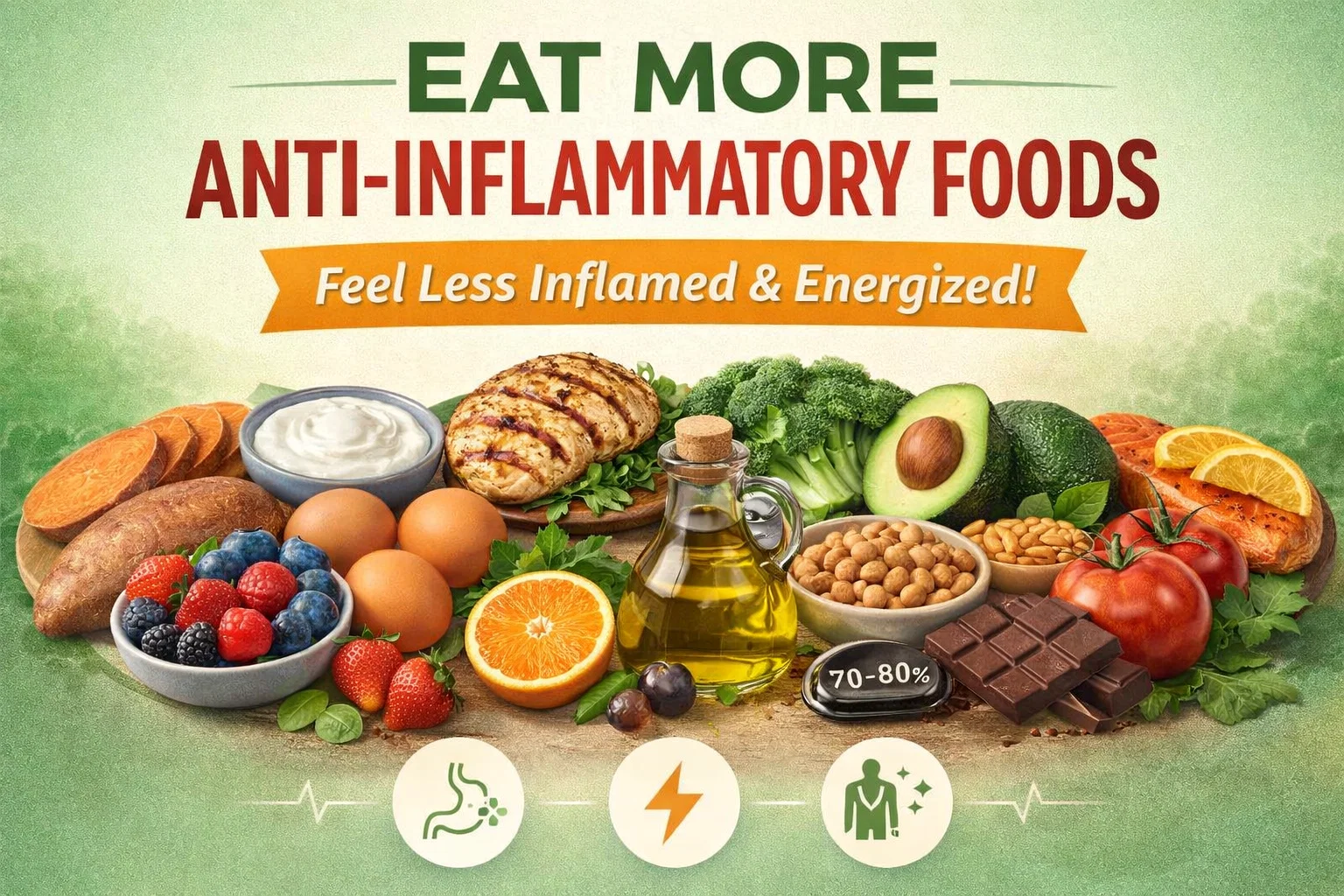
By choosing anti-inflammatory staples like the ones seen in our guide, you are essentially giving your immune system a much-needed break. These foods are packed with antioxidants, healthy fats, and essential minerals that work together to neutralize free radicals. When you lower the inflammatory load on your system, your body can finally stop focusing on defense and start focusing on thriving. You will likely notice that your skin looks clearer, your joints feel more fluid, and that dreaded afternoon slump becomes a thing of the past.
Powerhouse Proteins for a Stronger You
When people think of healing foods, they often jump straight to kale and celery juice, but protein plays a massive role in managing how our bodies feel. The key is choosing high-quality sources that provide the building blocks for muscle repair without the heavy saturated fats found in processed meats.
Wild-Caught Salmon and Tuna
Fatty fish are the undisputed champions of the anti-inflammatory world. They are loaded with omega 3 fatty acids, which are famous for their ability to reduce C-reactive protein levels in the blood. If you can, aim for wild-caught varieties to ensure you are getting the highest nutrient density possible. Whether you are searing a salmon fillet or mixing up a quick tuna salad with olive oil, these proteins are a direct investment in your heart and brain health.
Grilled Chicken and Eggs
For those who prefer land-based proteins, grilled chicken and eggs are fantastic, versatile options. Chicken provides lean protein that keeps you full without causing the digestive heaviness associated with red meat. Meanwhile, eggs are a nutritional powerhouse, containing vitamin D and choline. Just be sure to prepare them with healthy fats like avocado oil or a light mist of olive oil rather than butter or margarine to keep the anti-inflammatory benefits intact.
Greek Yogurt
Don’t overlook the power of fermented dairy. Greek yogurt is rich in probiotics, which are the friendly bacteria your gut needs to stay balanced. Since a large portion of your immune system lives in your digestive tract, keeping your gut happy is one of the fastest ways to reduce overall body inflammation. Plus, the high protein content in Greek yogurt makes it an excellent base for a breakfast that will keep your blood sugar stable all morning long.
Shutterstock
The Rainbow on Your Plate: Fruits and Vegetables
If there is one rule to live by in the kitchen, it is to eat the rainbow. The vibrant colors in fruits and vegetables aren’t just for show; they represent different phytonutrients that fight off various types of cellular stress. When you fill your plate with the items shown in our visual guide, you are basically creating a custom internal medicine cabinet.
Leafy Greens and Cruciferous Veggies
Spinach and broccoli should be non-negotiable staples in your kitchen. Spinach is a fantastic source of vitamin E, which protects the body from pro-inflammatory molecules. Broccoli, on the other hand, is rich in sulforaphane, a compound that helps block enzymes that cause joint destruction and inflammation. Try roasting your broccoli with a little garlic and lemon to make the flavors pop while keeping the nutrients dense.
Berries and Bright Fruits
Berries like strawberries, blueberries, and raspberries are tiny but mighty. They are packed with fiber and antioxidants called anthocyanins. These compounds give berries their deep colors and have been shown to reduce the risk of several chronic diseases. If you find yourself reaching for sugary snacks in the evening, try a bowl of mixed berries with a dollop of Greek yogurt instead. You satisfy your sweet tooth while actually helping your body recover from the day.
Apples, Oranges, and Tomatoes
Apples are rich in quercetin, a natural antihistamine and anti-inflammatory, while oranges provide a massive hit of Vitamin C to support your skin and immune system. Tomatoes deserve a special mention because they are a top source of lycopene. Interestingly, cooking tomatoes actually increases the availability of lycopene, so don’t be afraid to simmer them into a healthy homemade sauce or roast them alongside your zucchini.
Healthy Fats and Complex Carbs
The old school advice to avoid all fats and carbs is officially outdated. Your brain is mostly made of fat, and your muscles need carbohydrates for energy. The secret lies in the quality of the sources you choose.
The Magic of Olive Oil and Avocado
Extra virgin olive oil is perhaps the most famous anti-inflammatory fat on the planet. It contains oleocanthal, an antioxidant that has an effect similar to anti-inflammatory drugs like ibuprofen. Pairing olive oil with avocado creates a duo of healthy monounsaturated fats that help your body absorb fat-soluble vitamins from your vegetables. Drizzle some oil over a sliced avocado for a snack that is as satisfying as it is healing.
Sweet Potatoes and Quinoa
Instead of refined white breads or pastas that can cause blood sugar spikes and subsequent inflammation, reach for sweet potatoes and quinoa. Sweet potatoes are a great source of complex carbohydrates and beta-carotene, while quinoa is a rare plant-based source of complete protein. These foods provide a steady stream of energy, ensuring you don’t feel that “crash” that often leads to cravings for inflammatory junk foods.
Nuts and Legumes
Walnuts and almonds are the perfect on-the-go snack for anyone looking to stay energized. Walnuts are particularly high in alpha-linolenic acid, a type of omega 3 that supports heart health. Similarly, chickpeas and lentils are incredible for adding bulk to your meals. They are high in fiber, which helps sweep toxins out of your digestive system and keeps your microbiome flourishing.
Indulgence Without the Guilt
Living a healthy, anti-inflammatory lifestyle doesn’t mean you have to say goodbye to treats forever. In fact, some of the most delicious foods are actually good for you in moderation.
Dark chocolate, specifically the 70 to 80 percent cocoa variety, is loaded with flavanols. These compounds help keep the lining of your arteries healthy and reduce blood pressure. The key is to look for high cocoa content and minimal added sugars. A square or two of dark chocolate at the end of the night is a perfect way to celebrate your health without derailing your progress. It is proof that a wellness journey can be just as sweet as it is rewarding.
Simple Habits for a Less Inflamed Life
While the food you eat is the foundation, there are a few other small habits you can pair with your new grocery list to see even better results. Consistency is the magic ingredient here.
- Stay Hydrated: Water helps flush out the metabolic waste that can contribute to inflammation. Try adding a slice of lemon or orange for an extra antioxidant kick.
- Spice It Up: Don’t forget the power of spices like turmeric and ginger. Adding these to your quinoa or chicken dishes can significantly boost the anti-inflammatory profile of your meal.
- Manage Stress: High cortisol levels are a major trigger for internal inflammation. Even five minutes of deep breathing can help reset your system.
Embracing a Vibrant, Energetic Future
Making the switch to an anti-inflammatory way of eating is one of the kindest things you can do for yourself. It is not about being perfect or following a rigid set of rules; it is about choosing foods that make you feel vibrant, clear-headed, and ready to take on the world. By focusing on the whole, colorful foods we have discussed today, you are laying the groundwork for long-term health and immediate vitality.
Start small by swapping one processed snack for a handful of walnuts or adding a side of spinach to your morning eggs. Over time, these small choices compound into a lifestyle that leaves you feeling less bloated and more energized than ever before. Your body is an incredible machine, and when you give it the right fuel, there is no limit to how good you can feel. Here is to a happier, healthier, and much less inflamed version of you!
Would you like me to create a 7-day anti-inflammatory meal plan based on these ingredients for you?